Reading the Tea Leaves: How Washington's Business Leaders Decode Global Investment Flows
As capital moves across borders at unprecedented speed, DC's financial professionals explain the economic indicators reshaping local opportunity.
As capital moves across borders at unprecedented speed, DC's financial professionals explain the economic indicators reshaping local opportunity.
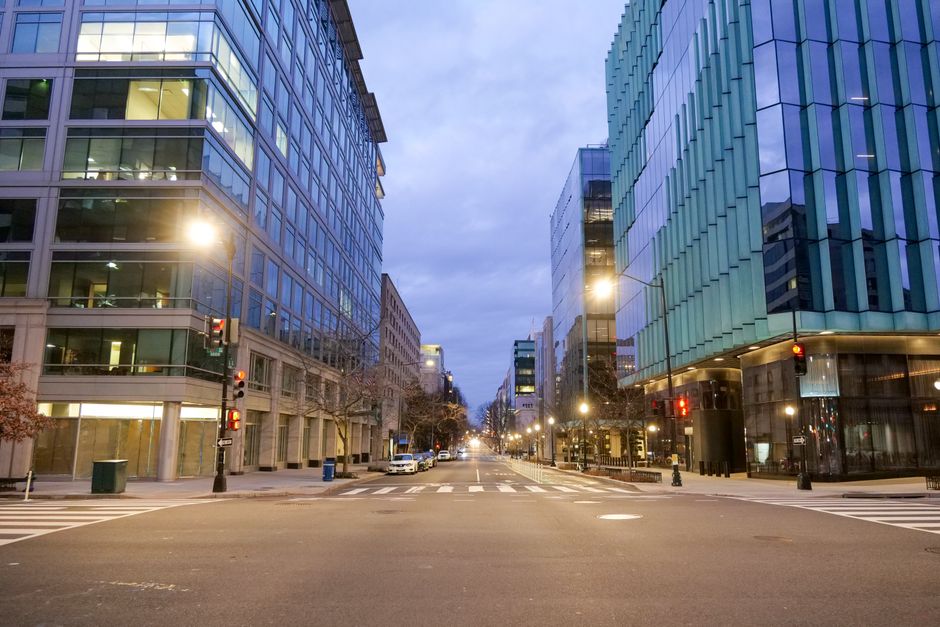
Inside the gleaming offices along K Street and throughout the Georgetown waterfront, a quiet anxiety grips investment managers this quarter. Global capital flows—the movement of money across international borders—have shifted dramatically, and understanding why matters deeply for Washington's business ecosystem.
"What happens overseas hits our portfolio in 48 hours," says the sentiment echoing through conference rooms from Downtown DC to Bethesda's financial hub. The numbers tell the story: foreign direct investment into the United States fell 18 percent year-over-year in the first half of 2026, according to preliminary data from trade monitoring groups. Meanwhile, emerging market volatility has spiked 34 percent, creating both peril and opportunity for the consultants, lawyers, and investment firms clustered around the World Bank headquarters and IMF offices on 19th Street NW.
Economic indicators serve as the compass for this navigation. The yield curve—essentially the interest rate difference between short and long-term bonds—has inverted for the third time in five years, historically a recession warning sign that Washington's financial district watches obsessively. Currency fluctuations add another layer: the dollar's 12 percent strengthening against emerging market currencies since January has made American exports more expensive abroad while making foreign acquisitions cheaper for US companies.
For DC's business community, this creates a particular dynamic. The region hosts major international development organizations, think tanks analyzing trade policy, and multinational corporations with substantial local operations. When the World Bank adjusts its growth forecasts downward, it ripples through the city's consulting sector. When venture capital flows to Asia instead of domestic tech startups, it affects everything from Arlington's startup scene to job creation in Navy Yard-Ballpark.
The transmission mechanism is straightforward: investment flows follow returns. When US Treasury yields reach five percent while emerging markets offer eight percent, capital chases that differential. But geopolitical risk—conflict, sanctions, regulatory uncertainty—creates friction that drives investors toward familiar, safer markets like the United States.
For the Washington business community, the takeaway is clear: global headwinds are reshaping local opportunity. Companies with international exposure face headwinds. Those positioned to serve returning capital—advisory firms, restructuring specialists, infrastructure investors—see opportunity.
Understanding these flows separates the strategic operators on M Street from those merely reacting to headlines. In an era when a policy shift in Beijing reaches Downtown DC offices by breakfast, literacy in global capital movements isn't optional—it's existential for competitive advantage.
This article was compiled by AI from the sources linked above and screened before publishing. See our editorial standards.
How does this story make you feel?
Spread the word
About this article
Published by The Daily Washington DC
Daily brief
Free, in your inbox before 7am. Weekdays.
More in Business


