DC Job Market 2026: Unemployment Rises as Tech Pulls Back
Washington DC's unemployment hit 4.8% in May 2026 as tech hiring contracts and federal uncertainty delays projects. What's ahead for DC jobs?
Washington DC's unemployment hit 4.8% in May 2026 as tech hiring contracts and federal uncertainty delays projects. What's ahead for DC jobs?
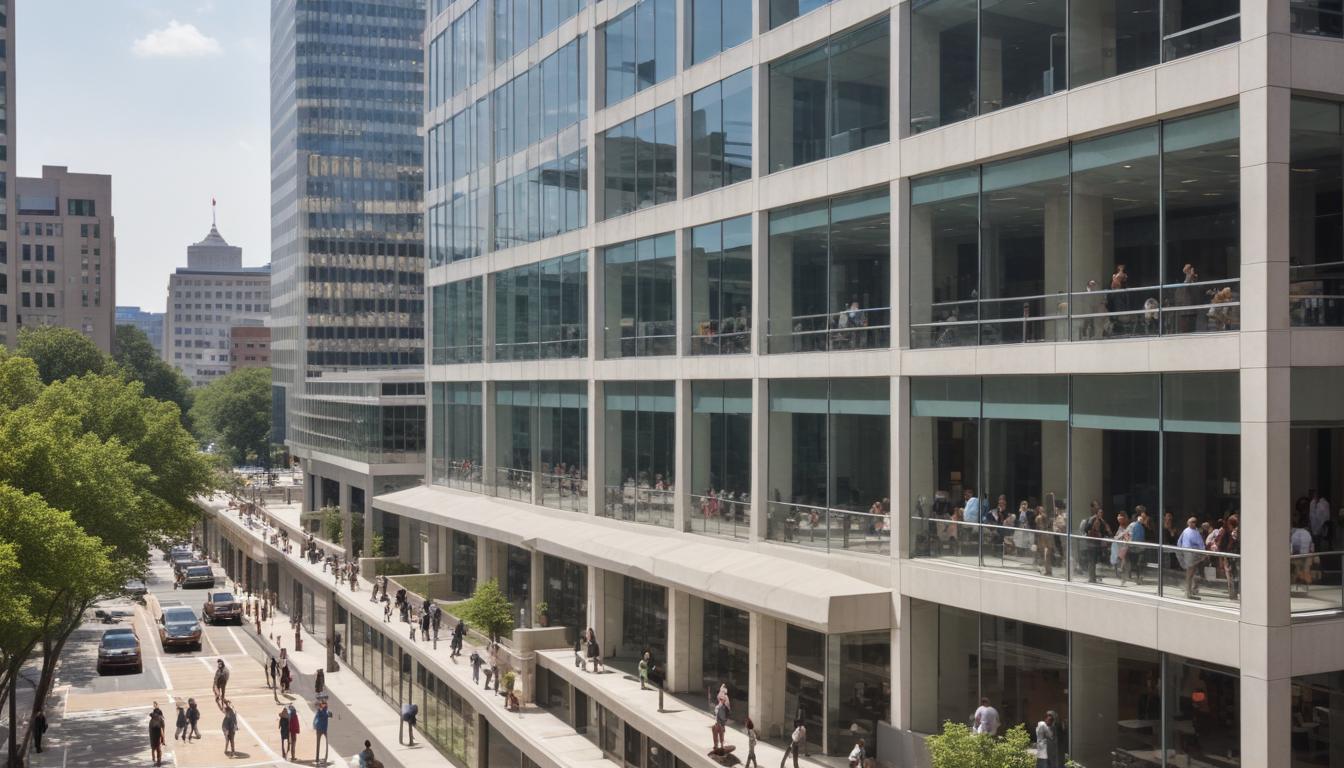
Washington DC's famously resilient job market is hitting unexpected turbulence in mid-2026, with employment growth slowing sharply and uncertainty clouding the outlook for the remainder of the year. The region that has long weathered national economic storms through federal spending and contractor work is now grappling with overlapping challenges: a contraction in tech sector hiring, postponed government contracts, and a demographic exodus of younger workers.
The numbers tell a sobering story. The DC metro area's unemployment rate ticked up to 4.8% in May, above the national average, according to regional labor analysts. More troubling, job openings in the District proper have contracted 22% year-over-year, a sharper decline than most major American cities. The vibrant startup ecosystem that once defined neighborhoods like Buzzard Point and parts of NoMa has visibly cooled, with several high-profile tech firms closing DC satellite offices or consolidating operations elsewhere.
"We're seeing companies that planted flags here three or four years ago simply pull back," said one venture capital observer tracking regional trends. The shift reflects both the national tech downturn and a broader wariness about Washington's political climate as another election cycle approaches.
Federal contracting—traditionally the economic ballast for the region—presents its own complications. Major defense and consulting firms headquartered along Crystal Drive in Arlington report clients delaying project starts pending clarity on budget allocations and foreign policy shifts. The uncertainty has rippled through hospitality and service sectors, where workers reported fewer hours at hotels near Union Station and restaurants throughout Capitol Hill.
Real estate pressure is compounding employment challenges. Office landlords from K Street to the West End have grown increasingly desperate, offering aggressive lease concessions that mask underlying weakness. Meanwhile, residential rents in walkable neighborhoods near Metro stations—where young professionals historically cluster—remain stubbornly elevated, pushing job seekers to distant suburbs or out of the region entirely.
The Georgetown waterfront and Tenleytown corridors, typically magnets for professional workers, show signs of stagnation. Recruitment firms report difficulty filling mid-level positions in consulting and legal services, traditionally DC growth engines, as candidates increasingly explore opportunities in Austin, Miami, or remote arrangements elsewhere.
As Washington enters the second half of 2026, employers and workers alike are bracing for a prolonged adjustment period. Whether the region's traditional economic pillars can reassert themselves before structural damage sets in remains the defining question for policymakers and business leaders watching from K Street boardrooms.
This article was compiled by AI from the sources linked above and screened before publishing. See our editorial standards.
How does this story make you feel?
Spread the word
About this article
Published by The Daily Washington DC
Daily brief
Free, in your inbox before 7am. Weekdays.
More in Business