DC Business Costs Rising: Geopolitical Impact 2026
How Middle East tensions and currency shifts are driving up costs for D.C. restaurants, offices, and retailers. What local business owners need to know.
How Middle East tensions and currency shifts are driving up costs for D.C. restaurants, offices, and retailers. What local business owners need to know.
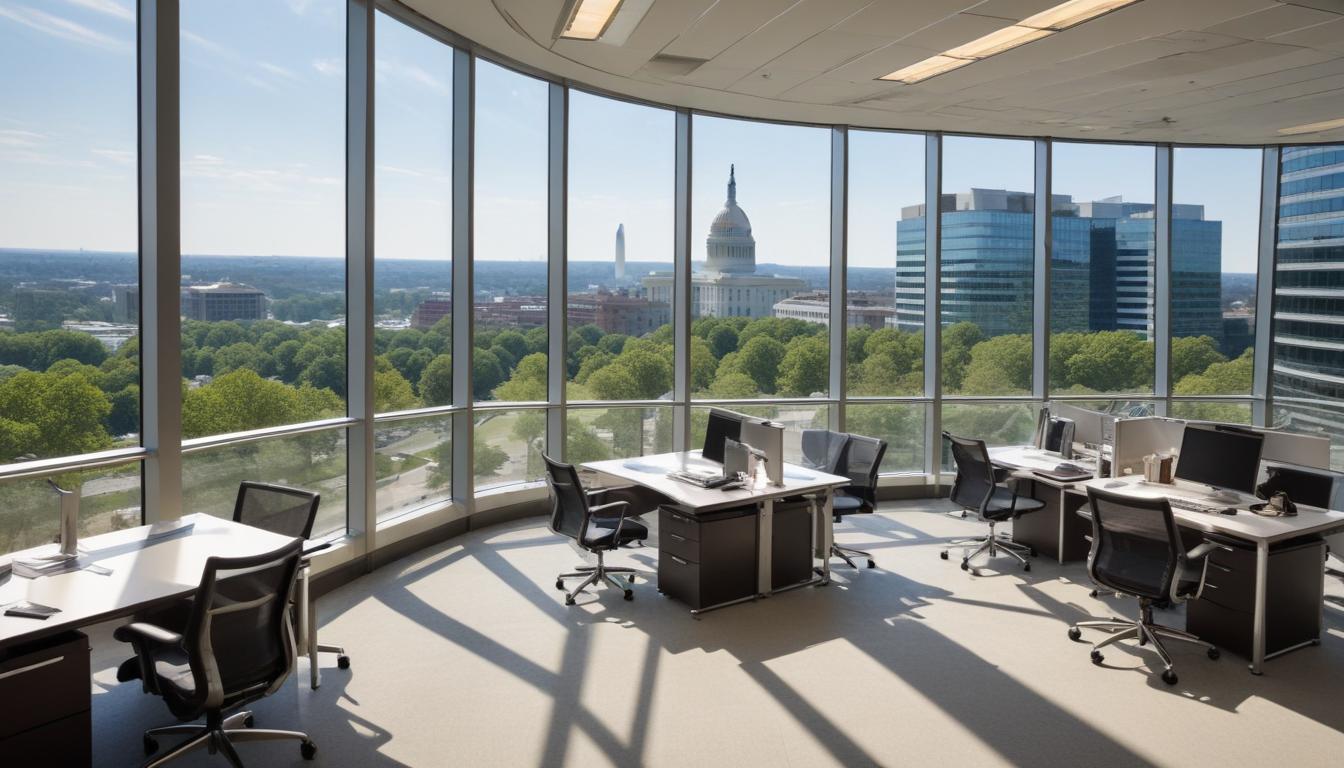
The instability gripping the Middle East isn't just a headline in The Washington Post's newsroom three blocks away on 15th Street—it's reshaping the economics of doing business across the District itself.
Energy costs, already climbing due to fresh diplomatic tensions between the U.S. and Iran, are forcing a reckoning among D.C.'s professional services, hospitality, and retail sectors. Commercial office space in downtown D.C., already commanding $35 to $50 per square foot annually, faces added pressure as landlords offset higher operational expenses. Meanwhile, restaurants along U Street and in the Atlas District are grappling with imported ingredient costs that have risen 8-12 percent since early 2026.
"Uncertainty creates caution," says the Greater Washington Board of Trade, which has fielded increased inquiries from member businesses about hedging strategies and supply chain diversification. The organization's members—ranging from Fortune 500 contractors to boutique consulting firms—are recalibrating their 2026 budgets in real time.
The connectivity between global events and local economics has never been more direct. Venezuela's ongoing instability is already affecting remittance patterns among D.C.'s growing Venezuelan community, with implications for consumer spending in neighborhoods like Mount Pleasant. The potential escalation in Pakistan-Afghanistan tensions threatens to destabilize tech talent pipelines; several major consulting firms headquartered in Crystal City rely heavily on H-1B visa holders from South Asia.
Housing affordability—already a crisis in a city where median rent hovers near $2,100 for a one-bedroom in desirable neighborhoods like Dupont Circle—is becoming more precarious. Foreign investors, typically a stabilizing force in D.C.'s luxury real estate market, are pulling back amid global uncertainty. This paradoxically pressures mid-market properties, where young professionals and families concentrate.
Commercial brokers on K Street are noting a shift: clients are shortening lease commitments and demanding force majeure clauses. The Federal Reserve's monitoring of international economic fallout has created ripple effects in borrowing costs. Small business lending rates in the District have edged upward, even as national trends suggest stabilization.
For D.C.'s business community, the lesson is stark. This city's economy isn't insulated by being the nation's capital—it's amplified by it. Geopolitical tremors become local earthquakes faster than most markets experience them.
This article was compiled by AI from the sources linked above and screened before publishing. See our editorial standards.
How does this story make you feel?
Spread the word
About this article
Published by The Daily Washington DC
Daily brief
Free, in your inbox before 7am. Weekdays.
More in Business