DC Summer Tourism Costs: What Residents Should Know
Record visitors are driving up DC restaurant and hotel prices this summer. Here's how tourism surge affects your wallet and daily commute.
Record visitors are driving up DC restaurant and hotel prices this summer. Here's how tourism surge affects your wallet and daily commute.
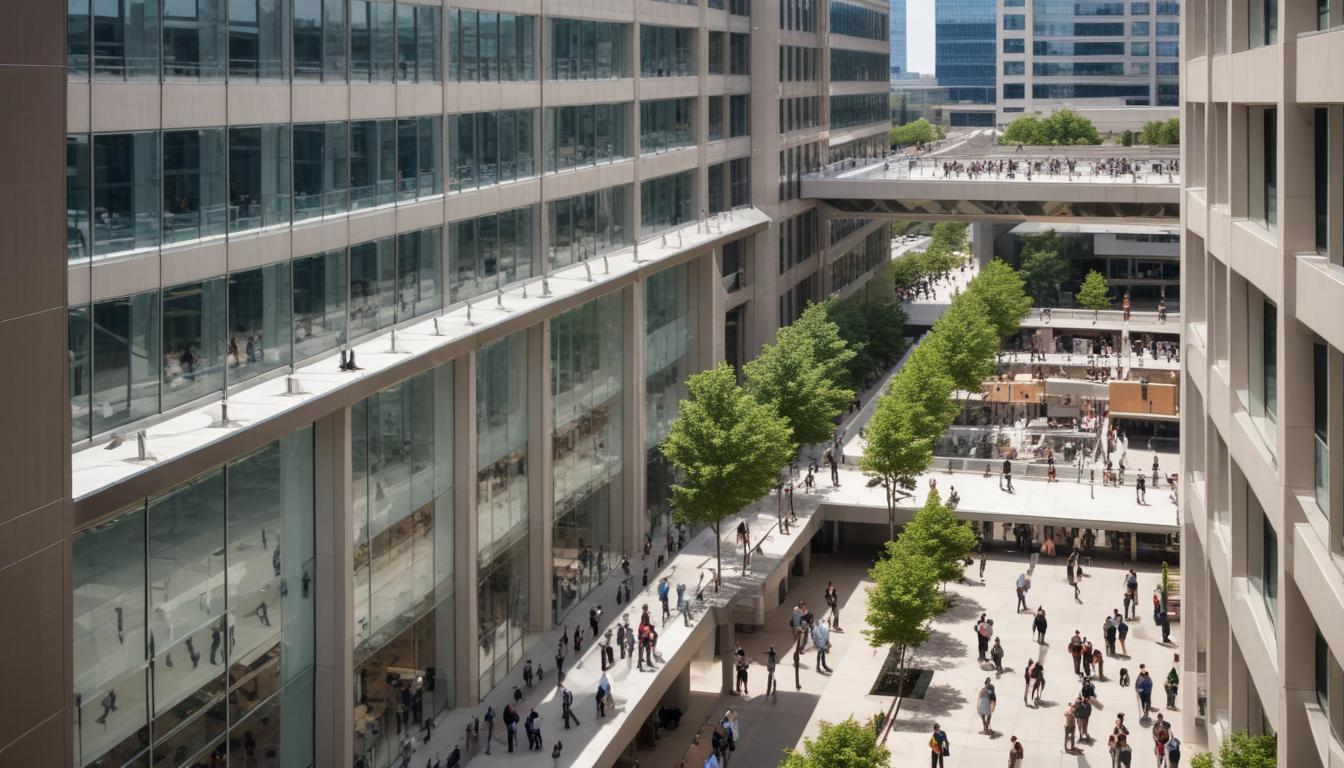
Washington DC is bracing for one of its busiest summers on record. The DC Convention and Visitors Corporation reports that June through August typically brings nearly 3 million visitors to the capital, and 2026 is tracking ahead of that baseline. For residents navigating the city on foot or by Metro, understanding the economic ripple effects of this surge isn't academic—it's practical.
Hotel occupancy across the city has pushed into the mid-80s percent range, according to hospitality analytics firms, driving average nightly rates above $200 even for mid-range properties along Pennsylvania Avenue and near Union Station. But the real issue for everyday Washingtonians isn't hotels—it's everything else. Restaurants in high-traffic zones like the National Mall, Georgetown, and along the K Street corridor are experiencing congestion that extends wait times by 30 to 40 minutes during peak hours. Casual dining spots near the Smithsonians report turning away walk-ins by early evening.
Transportation costs have quietly shifted, too. Ride-share surge pricing around major attractions—the Lincoln Memorial, the Washington Monument, the Library of Congress—can easily triple fares during midday hours. Residents accustomed to quick $8 rides across downtown should budget accordingly, or plan trips outside the 11 a.m. to 4 p.m. window when tourists dominate the demand.
Retail has followed suit. Popular neighborhoods like Adams Morgan and Dupont Circle see foot traffic nearly double during summer months, with corresponding increases in checkout lines and product availability issues at grocery stores and pharmacies. The CVS on 17th Street NW and the Whole Foods on P Street have implemented timed entry systems on weekends.
Parking presents perhaps the most immediate friction point. Street parking in Northwest DC—particularly near the National Zoo and Rock Creek Park—becomes virtually impossible between 10 a.m. and 6 p.m. Municipal lot rates have inched up to $3.50 per hour from the standard $2.00, a response to demand pressure that residents should anticipate when planning errands.
The economic boost is real: the visitor economy generates roughly $8 billion annually for the DC region and supports over 50,000 jobs. But the infrastructure strain is equally tangible. Residents heading to appointments, shopping, or dining out during June and July should expect longer waits, higher costs, and crowded public spaces as the price of living in one of America's most visited cities.
Planning around tourist hours—early mornings and evenings—remains the simplest strategy for reclaiming your city.
This article was compiled by AI from the sources linked above and screened before publishing. See our editorial standards.
How does this story make you feel?
Spread the word
About this article
Published by The Daily Washington DC
Daily brief
Free, in your inbox before 7am. Weekdays.
More in Business