DC's Retail and Hospitality Face Summer Reckoning: Here's What Business Leaders Must Know Right Now
As tourism rebounds and labor costs climb, Washington's food and hospitality sector confronts shifting consumer patterns and tightening margins.
As tourism rebounds and labor costs climb, Washington's food and hospitality sector confronts shifting consumer patterns and tightening margins.
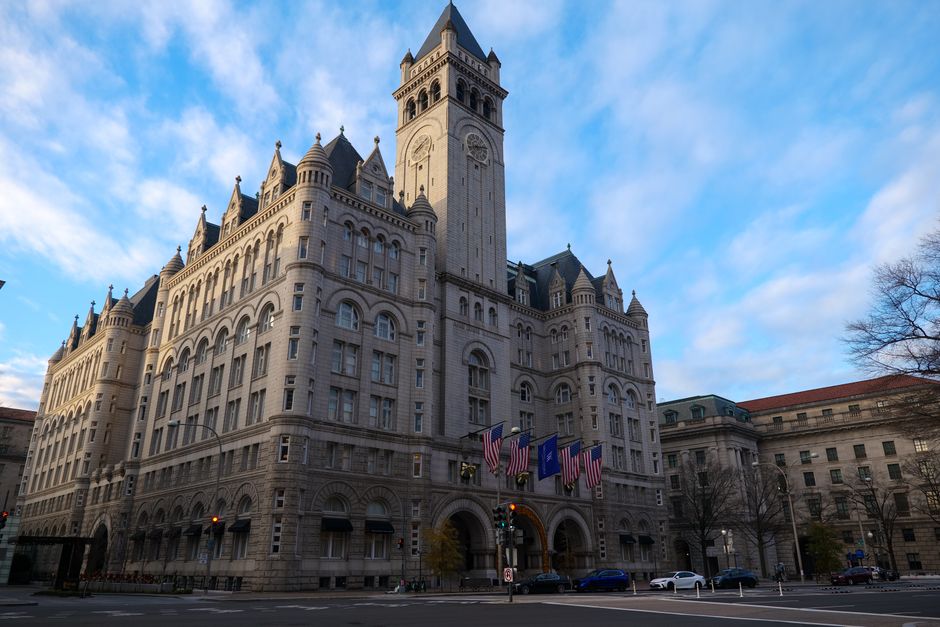
Washington DC's retail and hospitality landscape is entering a critical inflection point as summer travel season peaks. Industry observers warn that businesses across Capitol Hill, the Penn Quarter, and Georgetown must recalibrate operations to navigate rising operational costs, changing consumer preferences, and fiercer competition for skilled workers.
Tourism numbers tell a promising story: the DC Convention and Visitors Bureau reported that visitor spending reached $6.2 billion in 2025, a 12% increase year-over-year. Yet beneath that headline sits a more complicated reality. While foot traffic on Pennsylvania Avenue and along the Waterfront District remains robust, average check sizes at mid-range restaurants have plateaued, and consumer discretionary spending shows signs of fatigue in certain segments.
Labor costs remain the sector's most pressing challenge. Hospitality wages in the DC metro area have climbed to an average of $18.50 per hour for front-of-house staff—a 23% jump since 2023. Several major hotel operators and restaurant groups managing properties in Foggy Bottom and Navy Yard-Ballpark are implementing staffing adjustments and accelerating automation in back-of-house operations to offset margin compression.
The data on consumer behavior reveals interesting fractures. Upscale dining continues thriving, with premium establishments on M Street and in Kalorama reporting strong reservations through Labor Day. Meanwhile, fast-casual and quick-service concepts face headwinds: average unit volumes in this segment declined 4% in the first quarter of 2026 compared to the same period last year, according to preliminary industry surveys.
Retail tells a similar tale of divergence. Experiential retail—concept stores, pop-ups, and venues combining shopping with dining or entertainment—is flourishing along H Street NE and in the Wharf District. Traditional department stores and chain retailers continue adjusting inventory and closing underperforming locations, a trend that accelerated post-pandemic.
What should business operators prioritize? Industry experts emphasize three critical areas: supply chain resilience, particularly for food and beverage procurement; staff retention strategies beyond wage increases; and digital integration. Restaurants and retail operators investing in robust reservation systems, contactless payment infrastructure, and data analytics are outperforming peers in capturing and retaining customers.
The sector's next six months will likely determine profitability for the full year. Businesses that thoughtfully address labor economics, invest selectively in technology, and remain agile in response to shifting consumer patterns are positioning themselves to thrive. Those that default to traditional models may find August far less forgiving than June.
This article was compiled by AI from the sources linked above and screened before publishing. See our editorial standards.
How does this story make you feel?
Spread the word
About this article
Published by The Daily Washington DC
Daily brief
Free, in your inbox before 7am. Weekdays.
More in Business


