DC's Cost of Living Crisis Reshapes Market Trends: What Businesses Need to Know Right Now
As rents spike and consumer spending tightens across the District, local enterprises are scrambling to adapt to a fundamentally altered business environment.
As rents spike and consumer spending tightens across the District, local enterprises are scrambling to adapt to a fundamentally altered business environment.
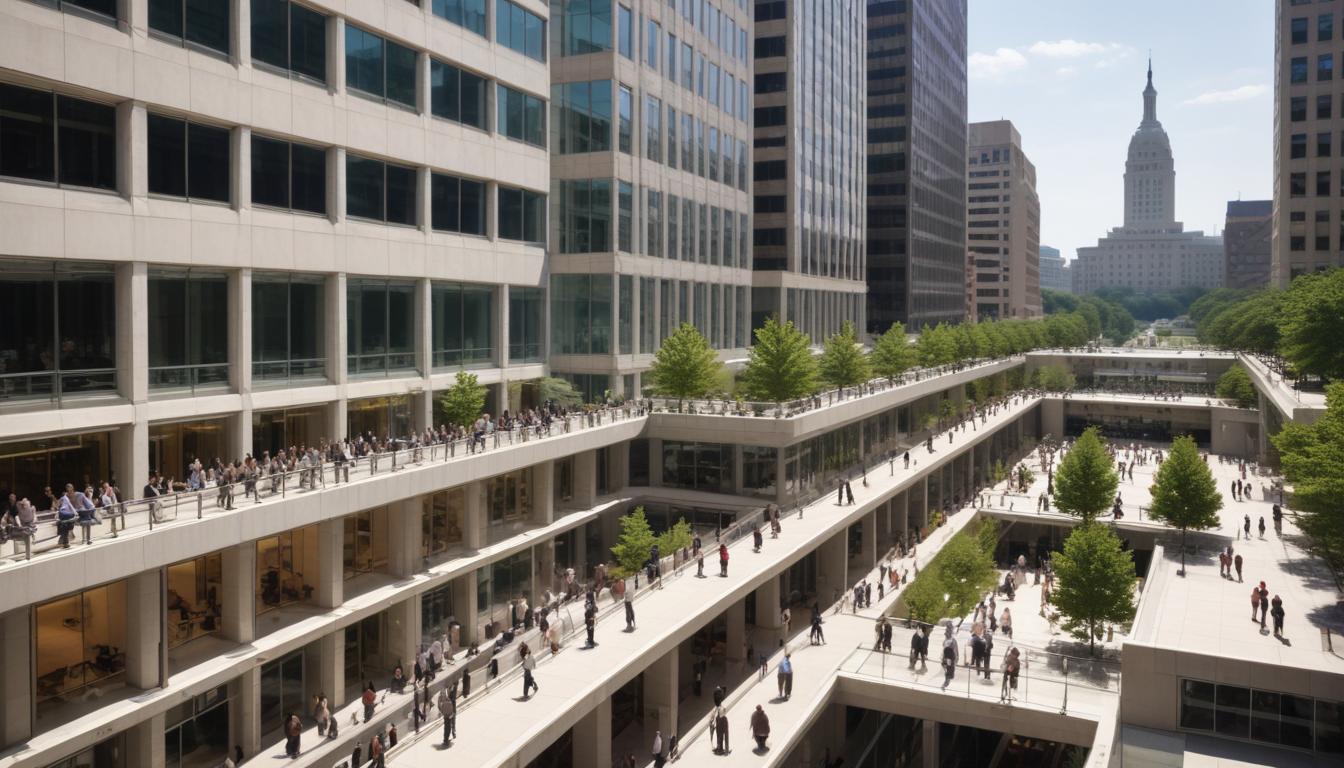
Washington DC's commercial landscape is undergoing a seismic shift as soaring costs collide with cautious consumer behavior, forcing businesses across every sector to recalibrate their strategies before the second half of 2026 unfolds.
The numbers tell a sobering story. Commercial office space in the K Street corridor and around the Capitol Hill area now commands an average of $52 per square foot annually—a 12% increase from 2024. Simultaneously, residential rents in sought-after neighborhoods like Navy Yard-Ballpark and Logan Circle have climbed to $2,100 monthly for a modest one-bedroom apartment, pricing out the service workers and junior professionals who once anchored the city's vitality.
This bifurcated market is creating unprecedented stress on retail and hospitality operators. Georgetown's M Street retailers report foot traffic down 18% compared to last year, while restaurants along Pennsylvania Avenue SE are watching their profit margins erode as wage pressures mount. A manager at a mid-sized Georgetown restaurant noted that labor costs now consume 35% of revenue, up from 28% three years ago, forcing difficult decisions about menu pricing and staffing levels.
What's particularly striking is how the cost squeeze is reshaping consumer priorities. Data from local business associations suggests DC residents are shifting spending away from discretionary purchases toward essentials—groceries, utilities, and childcare. This shift is hitting entertainment venues, boutique retail, and personal services especially hard. Yet paradoxically, luxury goods sectors remain resilient, suggesting Washington's wealth stratification is intensifying.
For businesses, the takeaway is clear: one-size-fits-all strategies no longer work. Companies operating in Rosslyn and the emerging NoMa district must grapple with rising talent acquisition costs while competing against remote-work alternatives. Those serving middle-income customers face margin compression from below. Traditional brick-and-mortar operations are accelerating digital transformation simply to survive.
Commercial real estate investors are watching closely. While prime properties near the Metro remain competitive, secondary locations are seeing stalled leasing activity. The DC Chamber of Commerce has fielded increasing inquiries from small-business owners exploring relocations to nearby suburbs where operational costs remain significantly lower.
Smart businesses are responding by tightening operational efficiency, renegotiating supplier contracts, and investing in technology to reduce labor dependency. Those that can afford it are diversifying revenue streams—restaurants adding ghost kitchens, retailers expanding e-commerce, service providers bundling offerings to improve per-customer value.
The message for DC's business community is unmistakable: static business models won't survive this environment. Adaptation isn't optional; it's the price of admission.
This article was compiled by AI from the sources linked above and screened before publishing. See our editorial standards.
How does this story make you feel?
Spread the word
About this article
Published by The Daily Washington DC
Daily brief
Free, in your inbox before 7am. Weekdays.
More in Business


