Washington DC Office Vacancies Persist Despite Downtown Revival Momentum
As hybrid work persists and interest rates remain elevated, commercial landlords are adapting strategies—but opportunity remains for tenants willing to negotiate.
As hybrid work persists and interest rates remain elevated, commercial landlords are adapting strategies—but opportunity remains for tenants willing to negotiate.
Listen to this article · 3:47
Washington DC's commercial real estate market is sending mixed signals as we enter the second half of 2026. While office vacancy rates across the District hover around 16 percent—slightly above the pre-pandemic average—there's growing evidence that the market is stabilizing in ways that could reshape how companies approach their real estate footprint.
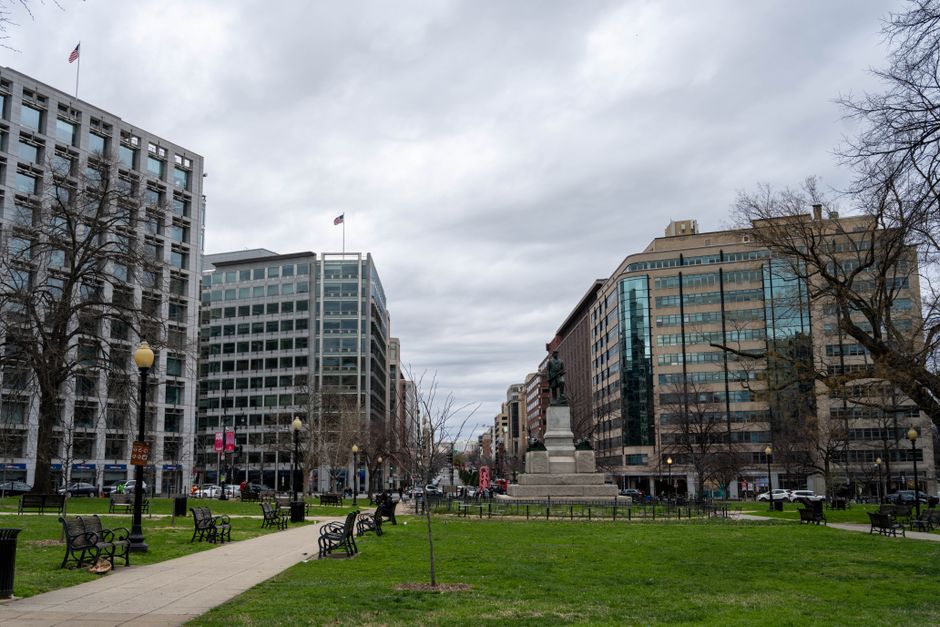
The downtown corridor tells the most compelling story. Along K Street and in the Golden Triangle, landlords have shifted from holding firm on asking prices to offering genuine incentives. Leasing spreads—the gap between asking and effective rents—have widened considerably. Properties like those in the 900 block of 17th Street NW, traditionally among the District's most expensive, are now offering six months of free rent or tenant improvement allowances exceeding $100 per square foot, according to recent market analyses.
"The fundamentals have changed," explains the commercial landscape across Washington. Higher mortgage rates have depressed investor appetite for speculative development, while federal office consolidation continues to reshape demand patterns in neighborhoods like Navy Yard-Ballpark and Capitol Hill, where government contractors cluster.
Yet Georgetown and Clarendon in Arlington remain relatively tight markets. Both areas have maintained occupancy above 85 percent, buoyed by demand from financial services, consulting, and tech-enabled companies seeking walkable neighborhoods with retail amenities. Asking rents in these zones remain 15 to 20 percent above downtown averages.
For businesses considering expansion or relocation, the current environment demands sophistication. A company securing 20,000 square feet in a Class A building along Connecticut Avenue NW might structure a deal spanning two years with graduated occupancy, reducing upfront capital exposure. The pandemic's lasting impact on workplace flexibility means that traditional long-term, full-building leases are increasingly replaced by modular arrangements.
Landlord-tenant negotiations now routinely include provisions for hot-desking arrangements, flexible floor plates, and technology infrastructure that barely registered as negotiating points three years ago. Mid-sized professional services firms are particularly active, downsizing their historical footprints by 20 to 30 percent while upgrading to newer, amenity-rich properties.
The data suggests the District's office market won't return to 2019 tightness, but neither is it in free fall. Businesses with clarity on their workforce strategy and flexibility on location can find substantial value. Those still clinging to pre-pandemic space requirements will find themselves increasingly uncompetitive. The window for decisive action—before landlords' desperation softens further—remains open but narrowing.
This article was compiled by AI and screened before publishing. See our editorial standards.
How does this story make you feel?
Spread the word
About this article
Published by The Daily Washington DC
Daily brief
Free, in your inbox before 7am. Weekdays.
More in Business


