Washington's Economic Shifts Signal Higher Costs Ahead for Residents
As capital flows shift and inflation data lands, here's what the latest indicators reveal about DC's cost of living and investment landscape.
As capital flows shift and inflation data lands, here's what the latest indicators reveal about DC's cost of living and investment landscape.
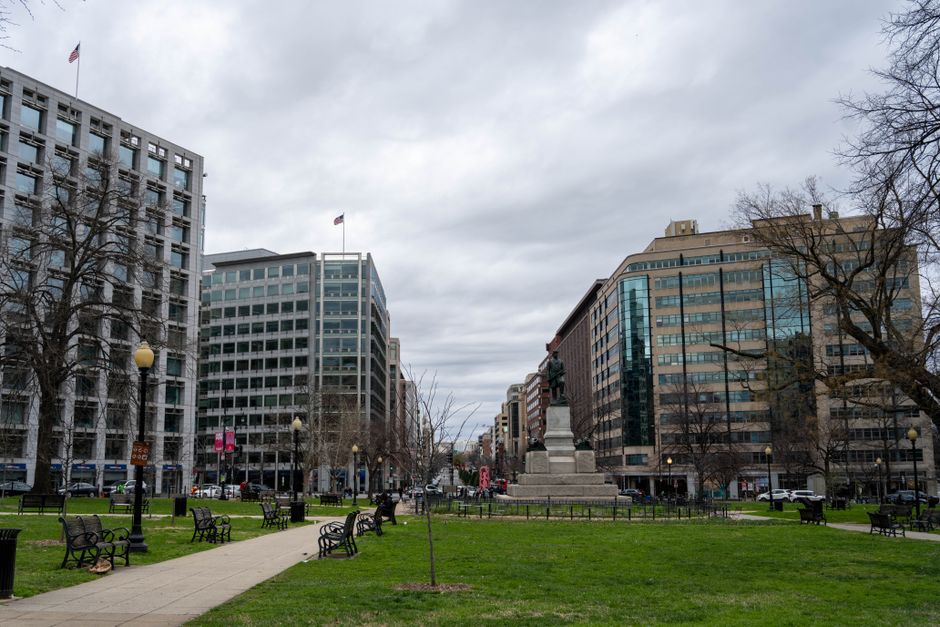
Washington's economy exists in a peculiar equilibrium. Walk down K Street and you'll see venture capital firms flush with funding. Step into a Georgetown brownstone listing and you'll see asking prices that have barely budged from their 2024 peaks. Understanding what's really happening requires parsing the economic signals that matter most to DC residents and investors.
The core tension sits here: while the broader U.S. inflation rate has cooled to 3.2 percent year-over-year, DC's housing costs tell a different story. median rents in the District have climbed to $2,150 for a one-bedroom in central neighborhoods, with Capitol Hill and Dupont Circle commanding premiums exceeding $2,400. That's a 4.7 percent increase since last year alone, outpacing wage growth for many professionals. Meanwhile, office vacancy rates in the downtown core remain stubbornly elevated at 18 percent—a hangover from remote-work adoption that continues to reshape how commercial real estate flows capital through the city.
Investment flows, however, paint a more bullish picture. Technology firms have redirected venture capital toward DC-based startups at unprecedented rates, with $3.8 billion deployed in the first half of 2026 across the region. Federal contractor consolidation and defense-tech development have attracted institutional investors to neighborhoods like Navy Yard-Ballpark, where commercial development projects are breaking ground at their fastest pace in a decade.
The disconnect matters. When investment floods into a city faster than housing supply expands, costs rise. The Federal Reserve's focus on maintaining interest rates between 4.5 and 4.75 percent has kept mortgage rates elevated, pricing out first-time buyers who would historically fuel housing development. Simultaneously, institutional investors—pension funds, foreign wealth managers seeking dollar stability—are purchasing residential properties as yield-bearing assets rather than homes. This dynamic has concentrated ownership and widened affordability gaps.
For ordinary Washingtonians, this means scrutinizing leading indicators that precede broader economic shifts. Job growth in government and defense sectors remains robust at 2.1 percent annually. Consumer confidence indices show slight deterioration, however, suggesting households are becoming cautious about discretionary spending despite relatively stable employment.
The message is straightforward: DC's economy isn't broken, but it's increasingly bifurcated. Capital is flowing into specific sectors and asset classes while ordinary residents face rising housing costs and subdued wage growth. Understanding which economic signals apply to your situation—whether you're a renter, buyer, investor, or business owner—is essential to navigating this moment.
This article was compiled by AI and screened before publishing. See our editorial standards.
How does this story make you feel?
Spread the word
About this article
Published by The Daily Washington DC
Daily brief
Free, in your inbox before 7am. Weekdays.
More in Business