DC Fashion Designers: H Street's Underground Movement
Meet Washington DC's independent fashion designers building a hyperlocal creative economy through pop-ups, studios, and mentorship in neighborhoods like H Street and Ivy City.
Meet Washington DC's independent fashion designers building a hyperlocal creative economy through pop-ups, studios, and mentorship in neighborhoods like H Street and Ivy City.
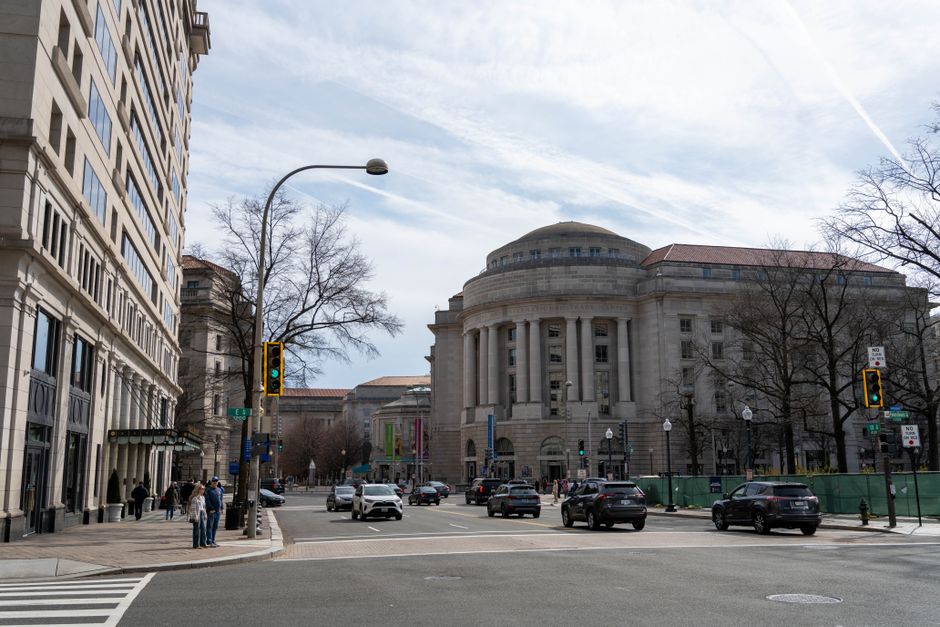
Walk down H Street NE on any given Thursday evening and you'll find yourself in the middle of something quietly revolutionary. The neighborhood's old warehouses and converted storefronts have become incubators for a generation of fashion designers who are deliberately rejecting the traditional gatekeeping of New York and Los Angeles fashion capitals. Instead, they're building something distinctly Washington: a hyperlocal, community-driven movement that treats design as both art form and social infrastructure.
The shift accelerated after the pandemic, when several factors converged. Rent pressures in coastal cities pushed talented young designers eastward. Washington DC's relatively affordable commercial real estate—particularly in neighborhoods like Bloomingdale and Ivy City—suddenly looked attractive. More importantly, a collective exhaustion with traditional fashion hierarchies created space for something new.
Today, organizations like the DC Fashion Collective and emerging independent studios on the H Street corridor are redefining what it means to be a working fashion designer in 2026. These aren't luxury brands chasing venture capital. Many operate on annual budgets under $100,000, relying instead on collaborations, trunk shows, and direct-to-consumer relationships. The movement prioritizes sustainability, local manufacturing partnerships, and mentorship of aspiring designers from underrepresented backgrounds.
What distinguishes this community isn't just aesthetic—it's ideological. Designers here are intentionally building networks rather than competing as isolated entrepreneurs. Studio shares in repurposed commercial spaces rent for $400-600 monthly, a fraction of New York prices. Regular collaborative shows at venues like Union Market and the Hirshhorn's public spaces have become cultural touchstones, drawing audiences that span downtown professionals, Georgetown university students, and curious newcomers.
The economic impact is real if still emerging. The DC fashion and design sector generated approximately $2.3 billion in economic activity last year, according to DC's Office of the Chief Financial Officer, with independent designers representing a growing share. More significantly, this movement is reshaping how young creatives think about building sustainable careers.
Perhaps most tellingly, established designers are paying attention. Several nationally recognized brands have recently established design studios in DC, citing the collaborative energy and talent pool. When the creative sector begins attracting capital precisely because of its community-first ethos rather than despite it, something fundamental has shifted.
For Washington DC, long overshadowed by fashion capitals abroad and on the coasts, this grassroots moment represents something larger: the emergence of a city confident enough to define its own creative culture rather than importing one wholesale.
This article was compiled by AI and screened before publishing. See our editorial standards.
How does this story make you feel?
Spread the word
About this article
Published by The Daily Washington DC
Daily brief
Free, in your inbox before 7am. Weekdays.
More in culture