Performing Arts Venues Redefining Washington DC Culture
Discover how DC's expanding performing arts scene—from Atlas to Woolly Mammoth—is transforming the capital into a cultural destination beyond politics.
Discover how DC's expanding performing arts scene—from Atlas to Woolly Mammoth—is transforming the capital into a cultural destination beyond politics.
Listen to this article · 3:44
Walk down H Street NE on any given evening and you'll encounter a cultural ferment that would have seemed impossible in Washington just a decade ago. The Atlas Performing Arts Center, anchoring this historically neglected corridor, has become a beacon—one of dozens of venues across the city that are collectively rewiring what Washington stands for beyond politics and monuments.
This transformation runs deeper than new box office numbers, though those matter: attendance at DC's major performing arts venues has grown steadily, with the Kennedy Center reporting over 2 million visitors annually, while smaller theaters like Woolly Mammoth Theatre Company on D Street NW and The Studio Theatre in Dupont Circle have nearly doubled their subscriber bases since 2020. What's truly significant is the thematic and creative shift these spaces are driving.
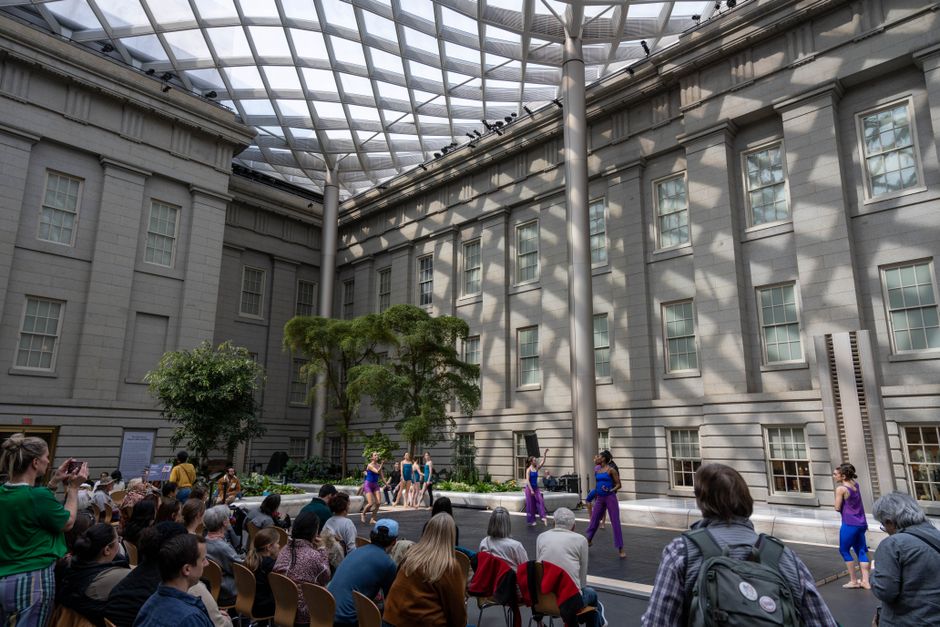
Unlike the Washington of political theater and ceremonial culture, today's performing arts scene is deliberately reflecting the city's actual composition and contemporary urgencies. The Howard Theatre on U Street—the historic venue that once hosted Duke Ellington—has resurged as a vital space for Black artistry and culture. Meanwhile, newer venues like the Wharf's multiple theater spaces have attracted major touring productions while fostering experimental work from local creators grappling with themes of displacement, immigration, and democratic fracture.
This creative restlessness mirrors something larger about the city itself. Washington has long struggled with an identity crisis: Is it a place for residents or merely a seat of power? The explosion of mid-size theaters, independent film screenings at the Hirshhorn and AFI Silver Theatre in Silver Spring, and experimental performance spaces throughout Northeast DC suggests a definitive answer. The city's creatives are claiming ownership of their own narrative.
The economics tell part of the story. A typical ticket to a major Kennedy Center production ranges from $40 to $150, while smaller theaters like Spooky Action Theatre in Brookland offer performances at $15 to $25—democratizing access across income levels. This price-point diversity matters in a city where economic inequality has intensified.
What distinguishes DC's current moment isn't simply cultural investment. It's the deliberate effort to make performance spaces reflect marginalized perspectives and urgent contemporary questions—immigration, institutional power, climate anxiety, racial justice. These aren't imported narratives; they're rooted in the lived experience of Washington residents themselves.
The city's performing arts sector is effectively saying: We are not merely the nation's capital. We are a living, breathing creative center where artists and audiences together define what this moment means. That's the real performance.
This article was compiled by AI and screened before publishing. See our editorial standards.
How does this story make you feel?
Spread the word
About this article
Published by The Daily Washington DC
Daily brief
Free, in your inbox before 7am. Weekdays.
More in culture