How a Forgotten U Street Collective Built DC's Most Anticipated Summer Festival
Behind the sprawling Cardozo Arts Festival is a decade-long labor of love by community organizers who refused to let their neighborhood's cultural legacy fade.
Behind the sprawling Cardozo Arts Festival is a decade-long labor of love by community organizers who refused to let their neighborhood's cultural legacy fade.
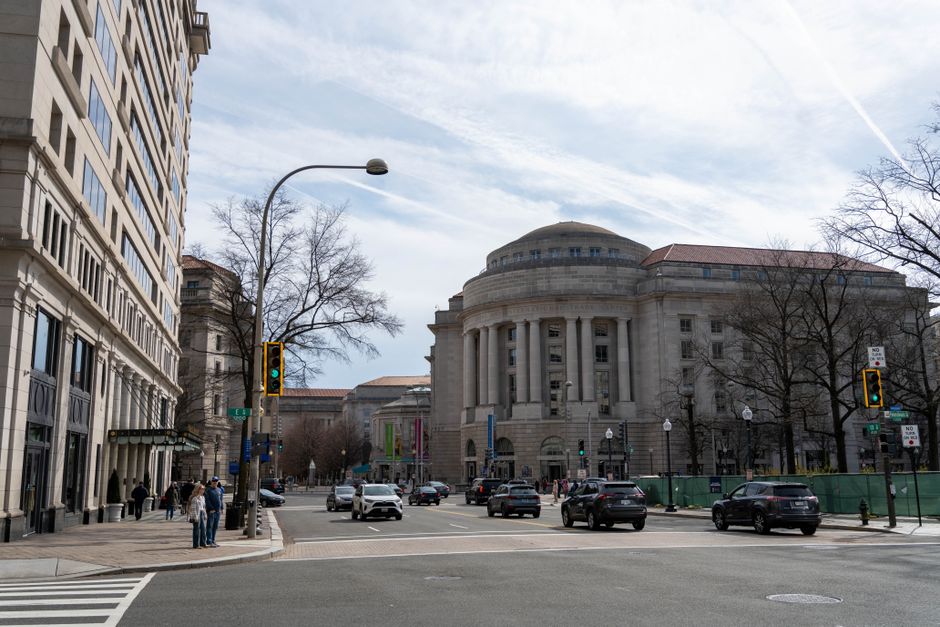
When Marcus Chen first approached the vacant lot on U Street NW in 2016, it was littered with broken glass and abandoned shopping carts. Today, that same corner hosts the Cardozo Arts Festival, which this month will draw an estimated 40,000 visitors across four weekends—a staggering transformation orchestrated by a team of just seven core organizers working largely without institutional backing.
Chen, a visual artist and Howard University alumnus, partnered with longtime U Street residents Keisha Thompson and James Rodriguez to revive what many had written off as a dying cultural corridor. "People forgot that U Street was the Black Broadway," Thompson recalls. "We wanted younger generations to feel that energy again."
The trio spent two years securing permits, fundraising, and convincing skeptical property owners that activation meant protection. Their breakthrough came in 2018 when the District allocated $150,000 in cultural development funds. But the festival's real infrastructure—a network of over 200 local artists, 50 volunteer organizers, and partnerships with organizations like the 14th Street Y and the Anacostia Playback Theatre Company—grew organically through personal relationships.
The festival now spans five blocks from 10th to 14th Street, with stages, installation spaces, and interactive workshops that cost just $25 for general admission. This year's lineup includes performances by DC-based musicians, a curated marketplace featuring 80 Black-owned vendors, and a youth mentorship component that Rodriguez designed specifically to counter what he calls "the gentrification of talent."
"We wanted to make sure young people from this neighborhood could stay here and thrive culturally," Rodriguez explains. The mentorship program has already placed 34 artists in paid residencies at local galleries and performance spaces.
The festival's success hasn't come without tension. Rising rents have displaced several longtime venues, including the legendary Bohemian Caverns. Chen's team now runs a separate preservation initiative documenting the neighborhood's musical history, interviewing elderly residents and digitizing old photographs. It's work that receives no government funding but survives through crowdfunding and donations.
As the festival enters its second major year, the organizers remain cautious about growth. Thompson is clear about their mission: "We're not trying to create something trendy for outsiders. We're trying to give this community back to itself."
This article was compiled by AI and screened before publishing. See our editorial standards.
How does this story make you feel?
Spread the word
About this article
Published by The Daily Washington DC
Daily brief
Free, in your inbox before 7am. Weekdays.
More in culture