Washington D.C. Fourth of July: Essential Tips, Best Viewing Spots Today
The National Mall transforms into ground zero for holiday celebrations, but smart travelers know the crowds, closures, and best vantage points require advance planning.
The National Mall transforms into ground zero for holiday celebrations, but smart travelers know the crowds, closures, and best vantage points require advance planning.
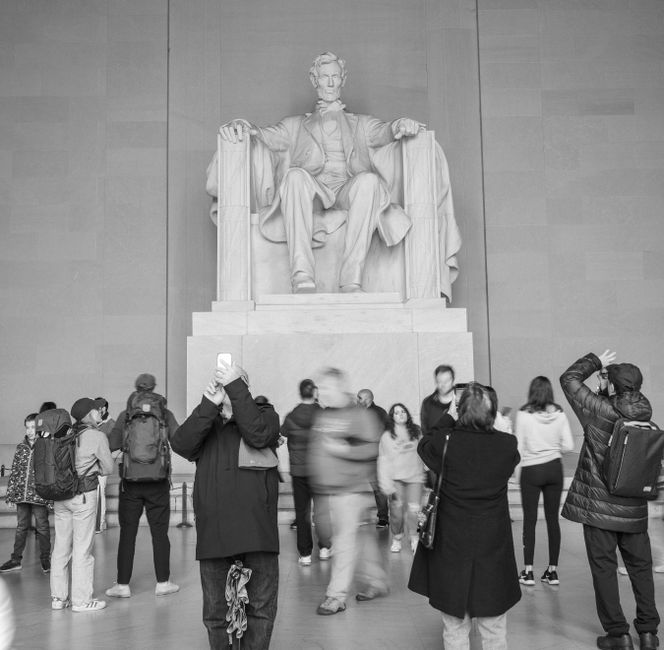
The National Mall will choke with humanity today. By 10 a.m., the two-mile stretch between the Capitol and the Lincoln Memorial fills with blanket-bearers, cooler-haulers, and families staking claims on grass they haven't seen since June. This is not news. What matters for anyone actually trying to see fireworks or navigate the city on July 3, 2026, is knowing where police barricades block vehicle traffic, which Metro stations close early, and which lesser-known overlooks offer actual sightlines without the shoulder-to-shoulder crush that makes the Reflecting Pool approach unbearable by sunset.
Independence Day in Washington functions as America's largest civic gathering. The National Park Service estimates 500,000 people descend on the District for the fireworks display, which launches at 9:07 p.m. from the Lincoln Memorial reflecting pool. For a city that already hosts 20 million annual visitors across its museums and monuments, adding half a million humanity in a single evening creates logistics problems that ripple across the entire region. The Metro system runs extended hours—final trains depart at 1:30 a.m. instead of the normal midnight—but stations like Archives-Navy Mem'l-Penn Quarter and L'Enfant Plaza become so packed that waiting times exceed 45 minutes just to enter the platform.
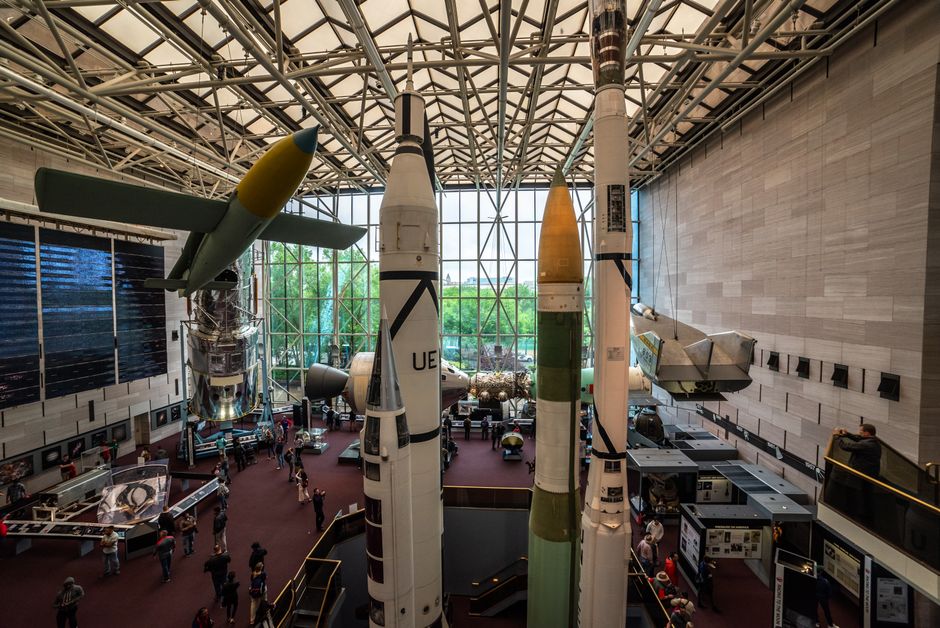
Independence Avenue from Third to Twelfth Street SW stays closed to vehicular traffic from 5 a.m. through midnight. Constitution Avenue between Second and Fourteenth Street SW follows the same restriction. The Smithsonian Institution museums along the Mall remain open until 5:30 p.m., meaning visitors can catch the American History Museum's exhibit on presidential inaugural gowns or the National Museum of Natural History's gem collection, then position themselves for fireworks without enduring eight hours of concrete-sitting beforehand. The National Air and Space Museum on Independence Avenue operates until 5:30 p.m. as well—worth knowing if you need to kill three hours with actual air conditioning and genuine exhibits rather than overpriced food carts.
The Arlington House observation area across the Potomac in Arlington National Cemetery offers unobstructed views of the Lincoln Memorial fireworks from the Virginia side. Most visitors never consider leaving D.C. proper. The Arlington House itself closes at 4:30 p.m., but the grounds remain open, and the slope facing the Memorial provides legitimately excellent sightlines. Metra bus routes run extended service, and parking near Arlington House costs nothing—a meaningful detail when parking garages near the Mall charge $30 to $40 for eight-hour permits.
Bring water. The National Park Service reports emergency medical calls spike 47 percent on July 4th compared to the average summer day, largely from heat exhaustion and dehydration. Temperatures today reach 91 degrees with 72 percent humidity—precisely the conditions that put people in ambulances by 7 p.m. Alcoholic beverages are prohibited on the National Mall entirely; enforcement involves plainclothes officers circulating through crowds, not just gate searches. Bags larger than 14 inches by 14 inches face restrictions. The city prohibits glass containers, aerosols, and coolers exceeding 26 inches in any dimension.
If you're taking Metro to the Mall, arrive by 3 p.m. After that window, train crowding makes boarding difficult. The Green Line, which serves L'Enfant Plaza and Archives stations closest to prime viewing areas, experiences the worst congestion. The Red Line north to Metro Center, combined with a walk south, sometimes moves faster than waiting for a direct Green Line train. Last trains eastbound (toward the Maryland side) and westbound (toward Virginia) depart at 1:30 a.m., not midnight—a detail that matters if you plan to watch fireworks and immediately split instead of weathering the post-show human exodus.
The fireworks display itself lasts 40 minutes. That's it. For most people, it will be the only reason they endured six hours without adequate seating. Position yourself by 7 p.m. to claim space with any actual view. If you can't manage that logistics puzzle, the Smithsonian museums and the city's permanent collection of monuments and memorials function perfectly well as the actual Fourth of July experience—and you'll avoid the specific ordeal that makes Independence Day in Washington either memorable or miserable depending entirely on preparation.
This article was compiled by AI and screened before publishing. See our editorial standards.
How does this story make you feel?
Spread the word
About this article
Published by The Daily Washington DC
Daily brief
Free, in your inbox before 7am. Weekdays.
More in culture