Washington DC is bustling today with Fourth of July celebrations, but behind the scenes, a dedicated team has been at work for months to bring the city’s storied Independence Day traditions to life. From the Washington Nationals' ballpark to the Smithsonian Institution’s latest cultural offerings, the people and stories that shape these events reveal the deep local roots uunderpinning this major holiday.
Crafting the Capital’s Fireworks and Festivities
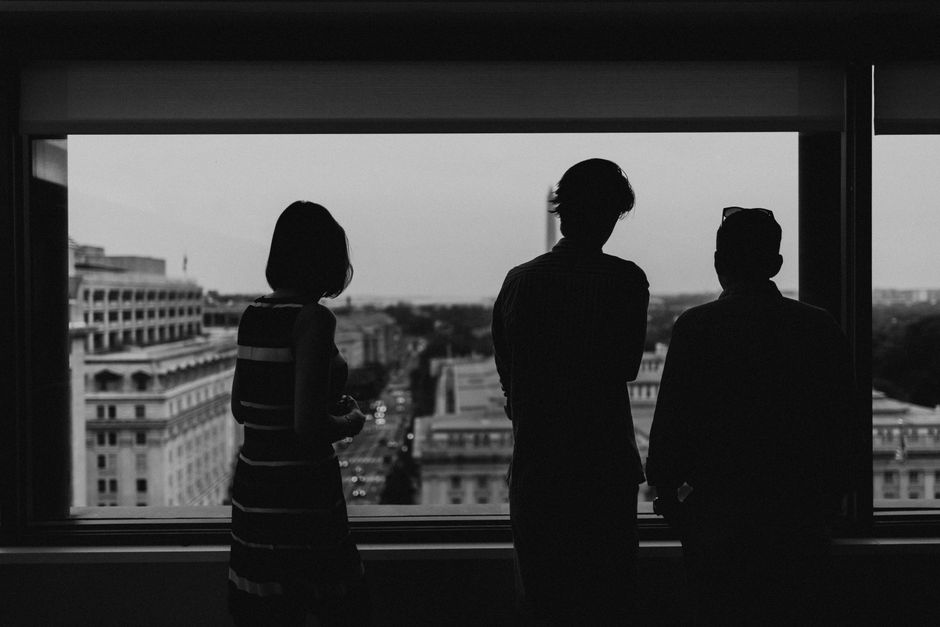
At the heart of the city’s July 4 festivities is the dazzling fireworks display over the National Mall, coordinated by the National Park Service and the DC Arts and Humanities Commission. Fireworks producer David McKenzie, whose company has managed the spectacle for the past eight years, credits months of planning and precise timing for the event’s success. Working out of office space near 15th Street NW, McKenzie’s team navigates logistics including sound synchronization, crowd control on Independence Avenue, and airspace coordination with the FAA. This year’s show starts promptly at 9:10 p.m., launching from twelve barges stationed on the Potomac River adjacent to the Lincoln Memorial’s west side.
Meanwhile, the city’s 7th Street corridor buzzes with free live music scheduled through the DC Office of Cable Television, Film, Music and Entertainment’s (OCTFME) 'Capital Celebrations' series. The annual event supports local musicians and promoters—many of whom hail from the Anacostia and Shaw neighborhoods—that have been tapped to represent DC’s diverse cultural landscape. Organizer Erin Lee explains the intent to spotlight talent from neighborhoods often overshadowed by the National Mall’s tourist-heavy crowds.
Local Venues and Programs Fueling the Holiday Spirit
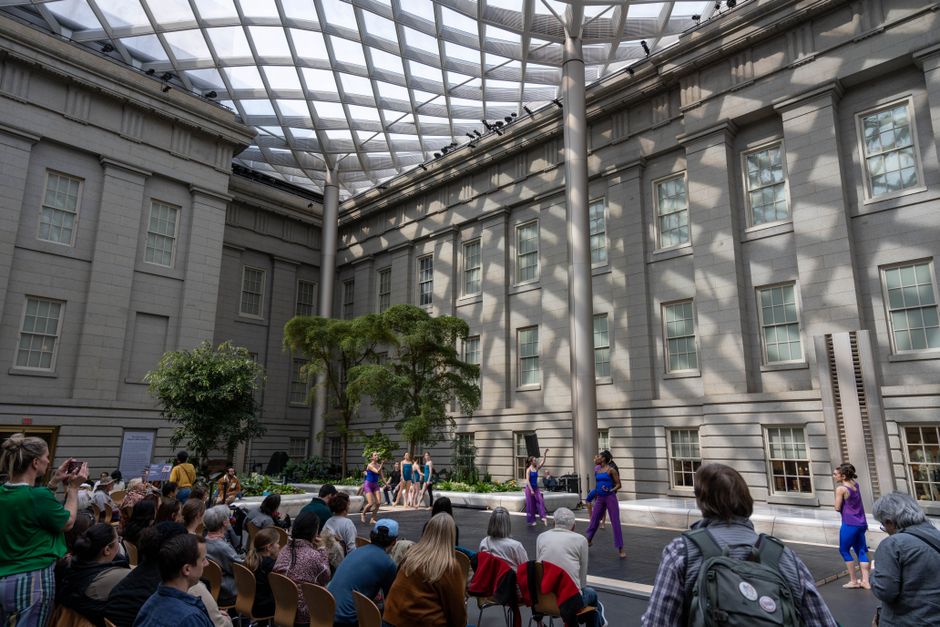
For those seeking a quieter but equally enriching experience, the Smithsonian’s National Museum of American History unveiled a new Independence Day exhibit at the Constitution Avenue entrance today. The 'Voices of Revolution' installation, developed in partnership with DC-based historians and community artists, showcases documents, artifacts, and oral histories emphasizing overlooked participants of the American Revolution, including women, Indigenous peoples, and African Americans. The museum opens at 10 a.m. with free admission as always, inviting visitors to contemplate freedom’s complicated history amid the celebration's fanfare.
Additionally, the DC Public Library system hosts storytelling sessions at their Martin Luther King Jr. Memorial Library downtown, where local educators and authors lead reading groups focused on America’s founding documents and cultural heritage. This free program draws families and young history buffs, fostering community engagement on a day often marked by fireworks alone.
According to the DC Office of Planning, nearly 150,000 people attend the National Mall events annually, while the festival’s satellite celebrations across city parks and venues add tens of thousands more. Fireworks displays, live concerts, and cultural programs operated by city agencies together generate an estimated $12 million in local economic activity during the Fourth of July weekend, highlighting the critical role these events play in supporting small businesses and artists.
With temperatures forecasted in the mid-90s, public health officials remind attendees to stay hydrated and use designated cooling stations, particularly across the National Mall and at major parks. Access to public transit remains robust, with Metro services extending hours until midnight on July 4 to accommodate crowds.
As the city cools down from the heat and the fireworks fade into the night sky, organizers and cultural leaders are already setting plans for next year’s commemoration. Those interested in volunteering or proposing new program ideas can contact OCTFME or the National Park Service to get involved. For today’s revelers, the message is clear: explore beyond the epic fireworks, engage with DC’s vibrant communities, and appreciate the people whose dedication crafts this city’s unique holiday experience.