culture
Washington's Museums Offer Climate-Controlled Refuge as Record Heat Reshapes City Culture
As record-breaking heat forces a reimagining of public life, D.C.'s curators are trading outdoor spectacles for curated, climate-controlled sanctuaries.
How we reported this
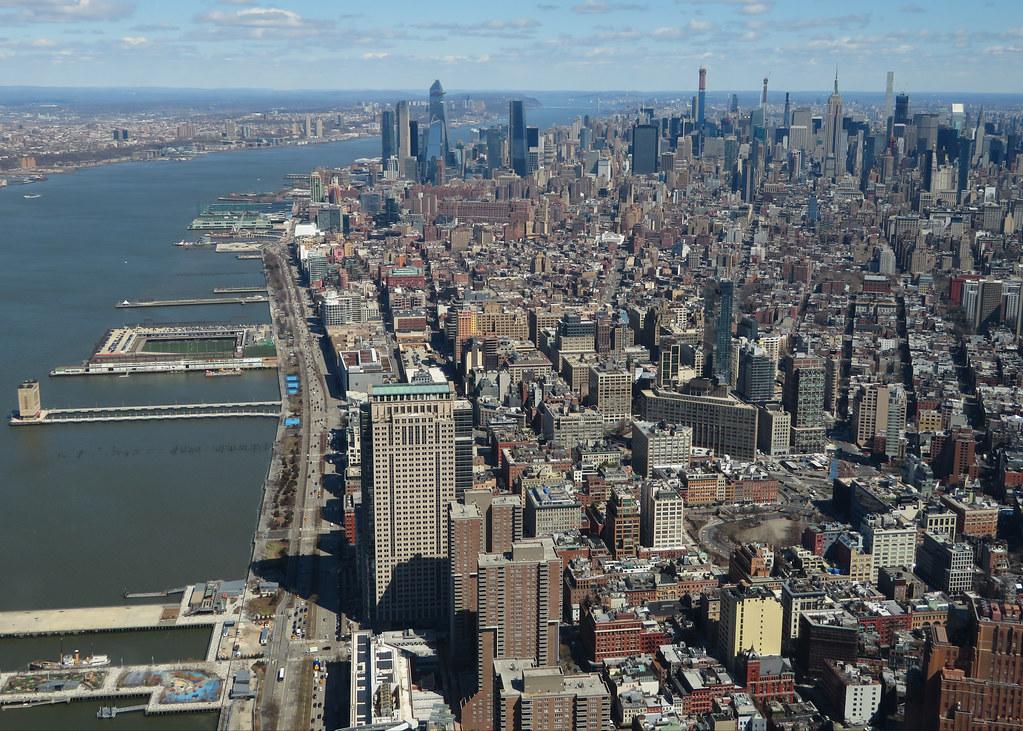
Washington D.C. is quiet today, July 5, 2026. After a series of cancellations shuttered Fourth of July fireworks across the National Mall and surrounding suburbs, the city’s cultural pulse has retreated from the humid pavement of Independence Avenue into the galleries and private exhibition spaces of the District. The abandonment of outdoor festivities has accelerated a trend that has been building for eighteen months: a shift toward intimate, climate-resilient programming led by the city's independent curators.
This pivot is not merely a reaction to extreme weather, but a long-term strategy for local institutions. As climate projections for the mid-Atlantic region have shifted, groups like the Cultural Alliance of Greater Washington have pushed to decentralize city events, moving away from large-scale outdoor gatherings that rely on predictable weather patterns. The result is a surge in boutique programming found in neighborhoods from Adams Morgan to the H Street Corridor.
Curating the Indoor Experience
The transformation is most visible at institutions like the Phillips Collection in Dupont Circle and the Transformer gallery on P Street. These venues are currently prioritizing experimental, multi-sensory installations that can maintain a consistent visitor experience regardless of external temperatures. Rather than relying on the traditional foot traffic of the tourist season, these organizations are leveraging digital membership platforms to maintain steady attendance through the heat waves.
Data from the D.C. Department of Parks and Recreation indicates a 22 percent decline in outdoor recreational facility usage since the onset of the current heat emergency on July 1. Conversely, the Smithsonian’s online booking portal shows a 14 percent increase in advance reservations for indoor museum galleries compared to the same weekend last year. Entry remains free, but the logistics of entry have tightened to manage capacity, with the average wait time for major climate-controlled exhibits currently hovering at 35 minutes.
For those looking to engage with the city today, the focus should remain on these high-touch, indoor environments. The Hirshhorn Museum and Sculpture Garden is operating on a modified schedule, ensuring air-conditioned circulation remains at optimal levels for the influx of local visitors. Visitors are advised to utilize the Metro’s Silver Line, which provides direct, underground access to these hubs, minimizing exposure to the elements between transport and the front door.
Looking ahead, the city’s planning commissions are reviewing new zoning requirements for outdoor event spaces, likely necessitating permanent shading infrastructure and high-capacity cooling stations for any future public permit approvals. For now, the best strategy is to embrace the city’s shift toward its smaller, climate-stable venues, which have successfully pivoted to accommodate a public seeking refuge from the persistent mid-summer heat.