culture
Washington's Arts Scene Transforms: 250 Years of Cultural Evolution Revealed
As the capital marks the nation’s 250th anniversary, the city’s arts and entertainment corridors are looking back at decades of transformation to define their future.
Listen in English · 4 min
How we reported this
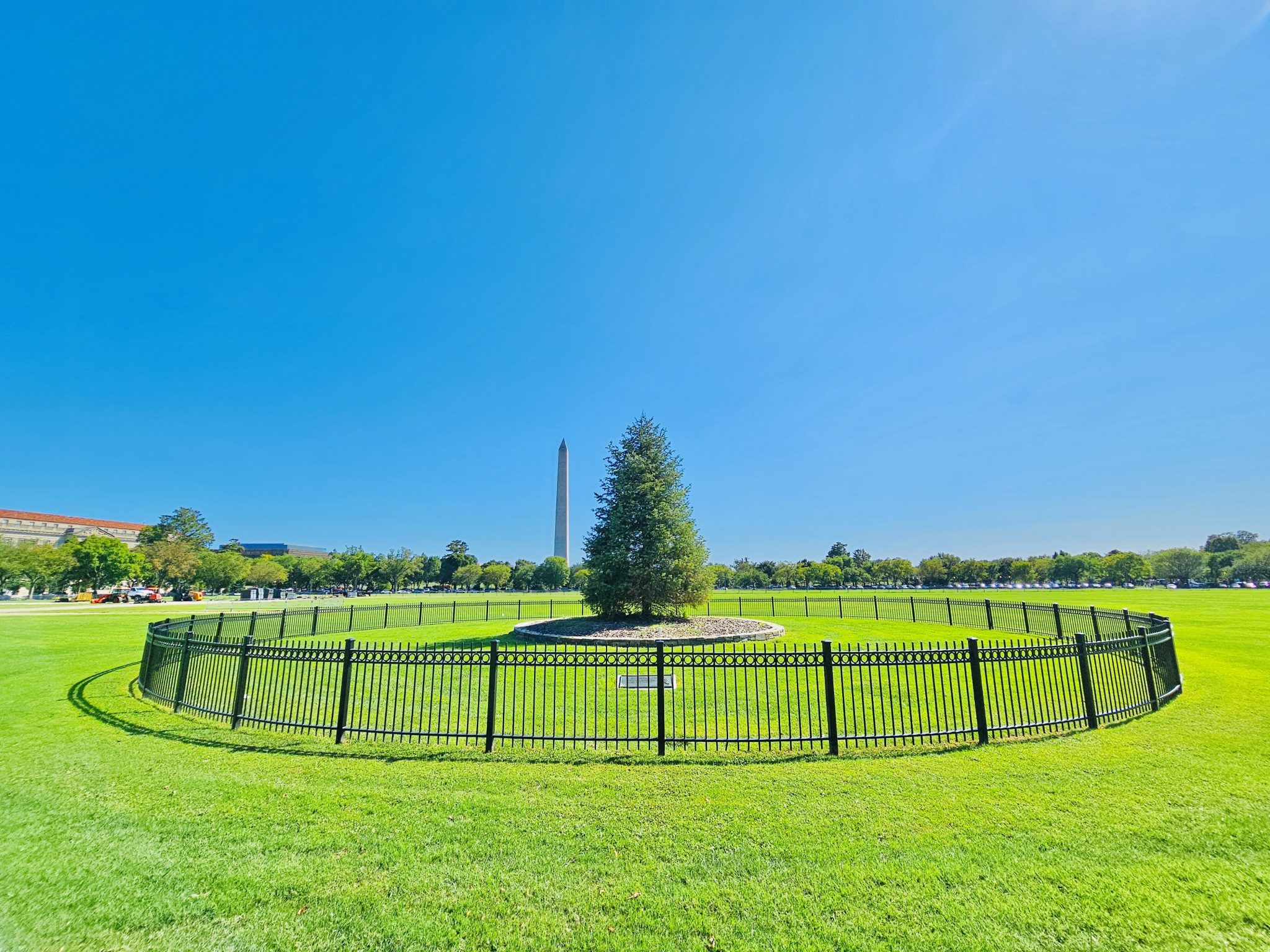
Washington D.C. sits on the quiet side of a historic weekend, with the 250th anniversary of the Declaration of Independence shifting from high-decibel fireworks on the National Mall to the enduring pulse of its neighborhood venues. Today, July 5, 2026, the city offers a microcosm of its own evolution, where spaces once defined by federal shadow have morphed into hubs of independent expression. From the jazz-saturated streets of the U Street Corridor to the revitalized waterfront at The Wharf, the city’s cultural output is no longer tethered strictly to the corridors of political power.
From Black Broadway to the Waterfront
The arc of D.C.’s cultural history is most visible in the transition of venues like the Lincoln Theatre on U Street. Once the heart of a district dubbed Black Broadway in the early 20th century, the venue now operates under a broader mandate as a cornerstone of the District’s performing arts resurgence. According to data provided by the D.C. Commission on the Arts and Humanities in their 2025 Annual Impact Report, local cultural institutions saw a 14% increase in public engagement compared to the previous fiscal year, a shift fueled by city-funded grants aimed at neighborhood-level programming.
This evolution contrasts sharply with the city’s mid-century landscape, where social scenes were often bifurcated by geography and access. Today, the development of the 27-acre Wharf project along the Southwest Waterfront serves as a prime example of the city’s physical and cultural expansion. While critics and urban planners continue to debate the impact of such large-scale developments on affordability, the area has undeniably altered the city's weekend flow. Residents and visitors alike now occupy spaces that, just two decades ago, were primarily industrial or underutilized.
Navigating the Current Landscape
Today’s cultural itinerary is a testament to this layered history. At the National Portrait Gallery in Penn Quarter, the ongoing exhibit "1776: A New Perspective" draws on historical records held by the Smithsonian Institution to frame the revolution through personal narratives rather than just monument-building. Admission remains free, a policy that has been a staple of the Smithsonian network since the inception of the 1846 founding bequest. Visitors planning to traverse the city should note that the temperature remains high following the extreme heat that accompanied yesterday’s celebrations, with the D.C. Department of Energy & Environment currently advising residents to utilize cooling centers as heat index warnings persist into the afternoon.
For those looking to engage with the city’s contemporary music scene, the 9:30 Club on V Street NW continues to serve as the city’s primary venue for independent touring acts. Its history-moving from its original 1980 location in a basement space to its current purpose-built facility in 1999-mirrors the broader professionalization of D.C.’s music ecosystem. Whether attending a matinee at the Kennedy Center or exploring the independent galleries clustered around H Street NE, today’s visitor is moving through a city that has spent the last half-century consciously pivoting away from the binary of work-and-government toward a more robust, citizen-led arts culture.