culture
D.C.'s Next Generation Redefines Arts Scene Across Emerging Neighborhoods
As the capital celebrates its post-holiday stretch, a new generation of creators is redefining the city's creative output from the H Street corridor to the Navy Yard.
How we reported this
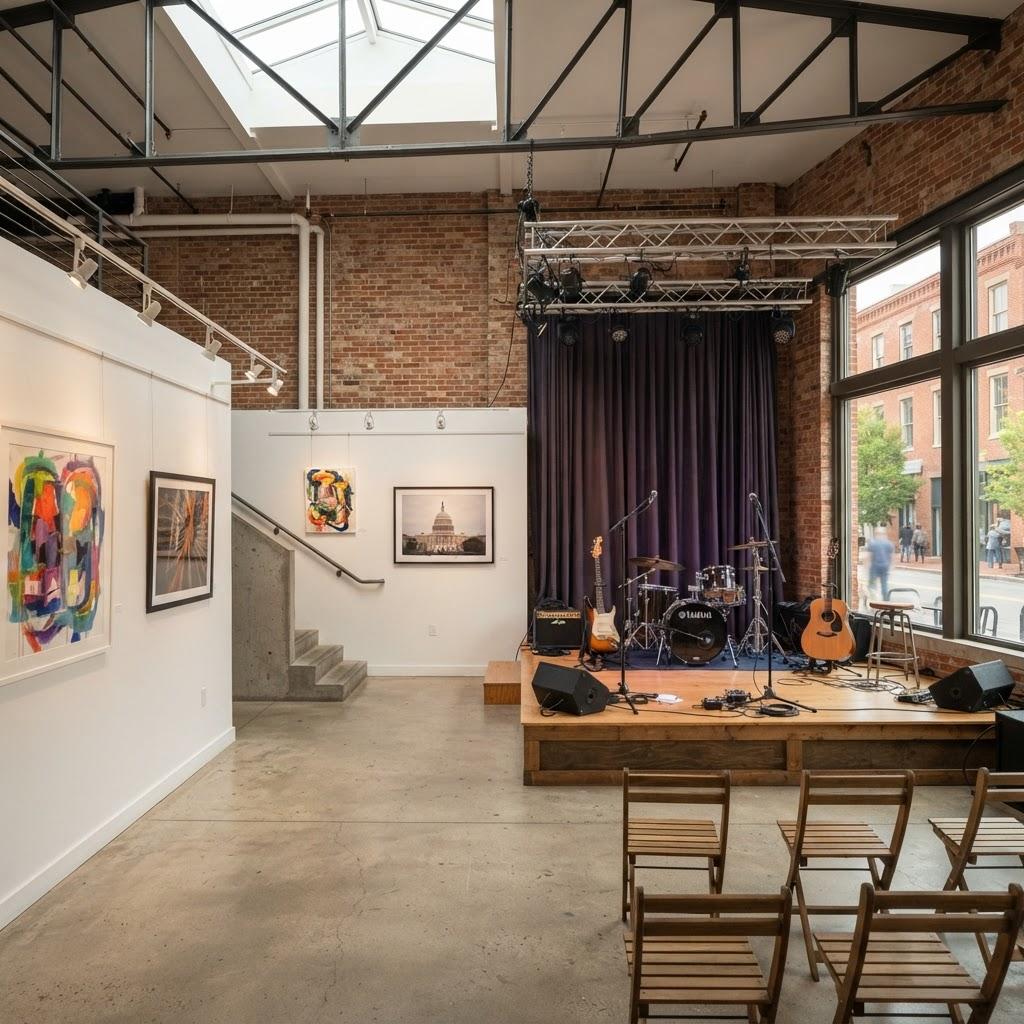
Washington D.C. is moving beyond its traditional reputation as a city of policy wonks and granite monuments, shifting its focus toward a burgeoning cohort of independent artists and performers. While the National Mall’s 250th-anniversary infrastructure is still being packed away, local venues are pivoting toward grassroots talent that has spent the last year refining their craft in basement studios and independent galleries.
This shift matters because D.C.’s cultural economy has historically relied on institutional support from federal grants and major national museums. The current trend marks a departure from that top-down model, with younger creators bypassing traditional gatekeepers in favor of digital-first distribution and neighborhood-based performance spaces. This change is altering the commercial landscape in areas like Capitol Hill and Anacostia, where creative micro-clusters are now driving significant foot traffic to local businesses.
The Hubs Fueling the Shift
Two major focal points define this current wave. First, the H Street Corridor has become a proving ground for avant-garde theater and experimental music, largely spearheaded by independent collectives operating out of refurbished commercial spaces. Second, the Navy Yard’s waterfront development, despite its proximity to the corporate headquarters of the Department of Transportation, has begun hosting monthly open-call showcases that draw crowds of several hundred attendees per event.
Data provided by the D.C. Commission on the Arts and Humanities in their 2026 Fiscal Year report suggests a shift in the local ecosystem, noting that small-scale artist grants saw an increase of 14 percent compared to the 2025 cycle. Tickets for these emerging artist showcases typically range between $20 and $35, offering a low-barrier entry point for residents looking to engage with local art that remains independent of major touring circuits or international art fairs.
For those looking to track the next big name in the scene, the best strategy is to monitor the programming calendars of the Atlas Performing Arts Center and the varied artist-in-residence outputs at the Transformer gallery in Logan Circle. Both institutions currently provide the foundational infrastructure for the city's most promising voices to transition from private practice to public engagement. Audiences should expect to see this wave move from these local incubators into larger regional platforms by the end of the year.