DC Firms Tap New Trade Routes Amid Global Shifts
Geopolitical tensions are redirecting supply chains, giving Washington companies fresh opportunities in Latin America, Middle East, and Africa.
Geopolitical tensions are redirecting supply chains, giving Washington companies fresh opportunities in Latin America, Middle East, and Africa.
The geopolitical turbulence of the past eighteen months has triggered a subtle but significant reshuffling of global commerce—and Washington's business establishment is quietly staking its claim on newly viable trade corridors.
Recent instability in Venezuela and the Middle East has disrupted conventional shipping lanes and created openings for alternative routes and intermediaries. For Washington-based trading companies and consulting firms concentrated around K Street and the Golden Triangle, this represents a rare window to expand influence in markets previously dominated by coastal competitors.
"We're seeing real opportunity in supply chain diversification," according to conversations among trade specialists at the DC Chamber of Commerce. Companies that traditionally relied on Caribbean and Persian Gulf routes are now exploring alternatives through Central American ports and African trade hubs—territories where Washington-headquartered firms have stronger diplomatic and business relationships.
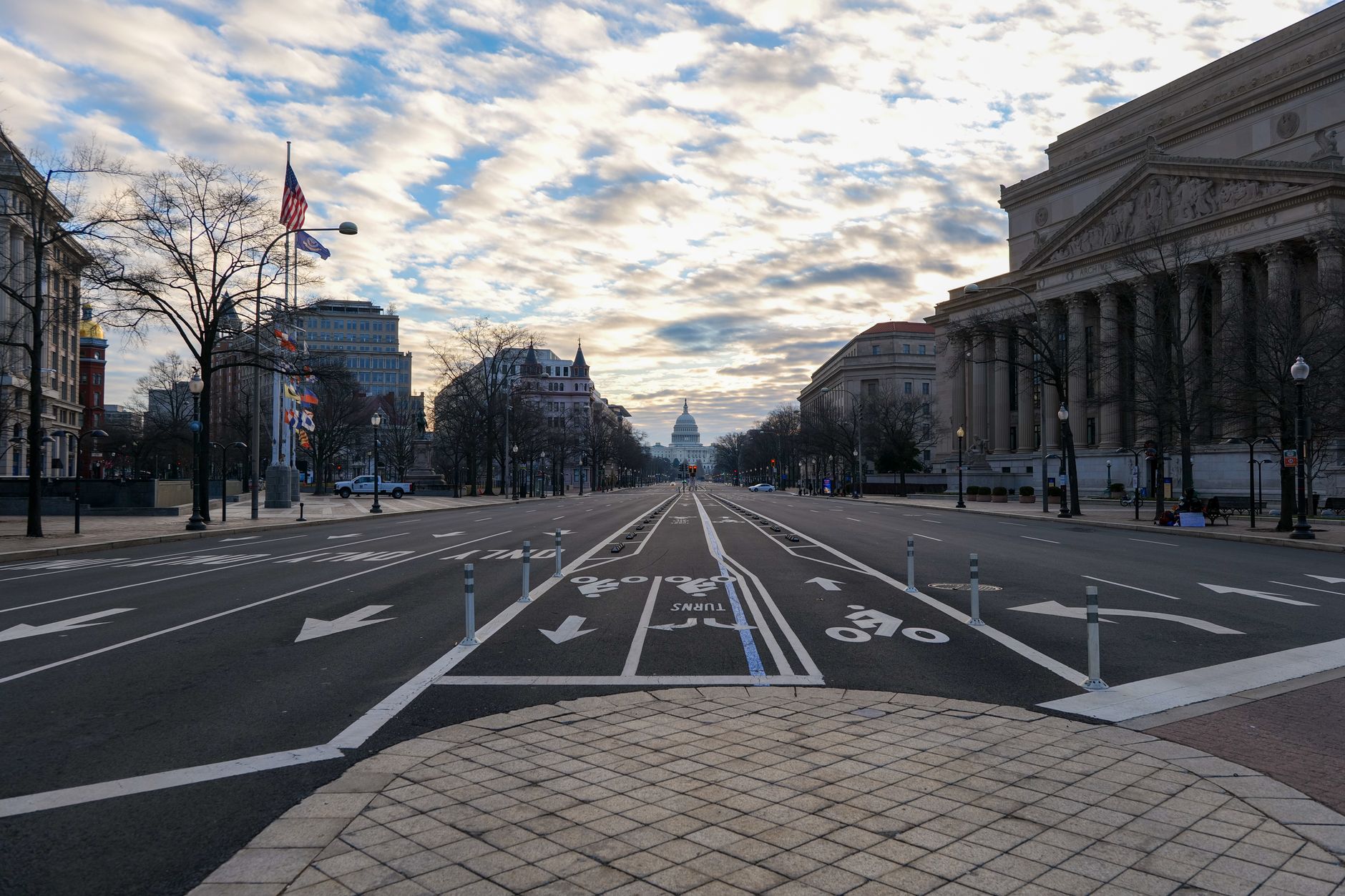
The shift is already visible in real estate activity. Commercial leasing on Pennsylvania Avenue and around the Rosslyn corridor has accelerated, with international trading houses and logistics firms expanding their footprint. Office space in these neighborhoods, which averaged $48 per square foot annually three years ago, now commands $54 to $58, reflecting renewed demand from companies establishing regional headquarters.
Smaller beneficiaries include specialized consulting firms offering geopolitical risk assessment and trade compliance services. These operations, many clustered in Georgetown and near Union Station, are seeing client rosters expand as multinational companies seek guidance navigating the new landscape. Several have doubled their Washington staff since early 2025.
The boom extends to legal services. Immigration law practices across the District are fielding increased inquiries from companies needing to relocate personnel or establish operations in secondary markets. Similarly, firms specializing in sanctions compliance and export controls—historically niche practices—are now central to client strategy.
Port authorities in Baltimore and Norfolk are also capitalizing, offering incentives to redirect cargo away from traditional chokepoints. These benefits ripple back to Washington's service economy, where logistics coordinators, translators, and trade documentation specialists are increasingly in demand.
Not everyone is winning equally. Traditional import-export businesses built on established relationships have faced margin compression as companies shift strategies. Yet the overall trajectory favors Washington: the city's concentration of diplomatic expertise, regulatory knowledge, and financial services infrastructure positions it well to serve companies recalibrating their global operations.
The question now is whether this represents a durable reconfiguration of trade patterns or a temporary distortion. For Washington's business community, the answer matters less than the current opportunity window—and most are determined to make the most of it.
This article was compiled by AI and screened before publishing. See our editorial standards.
How does this story make you feel?
Spread the word
About this article
Published by The Daily Washington DC
Daily brief
Free, in your inbox before 7am. Weekdays.
More in Business