DC Housing Market Shifts as Institutional Investors Surge
Big money is reshaping DC real estate. Here's how it affects renters and buyers navigating today's volatile market.
Big money is reshaping DC real estate. Here's how it affects renters and buyers navigating today's volatile market.
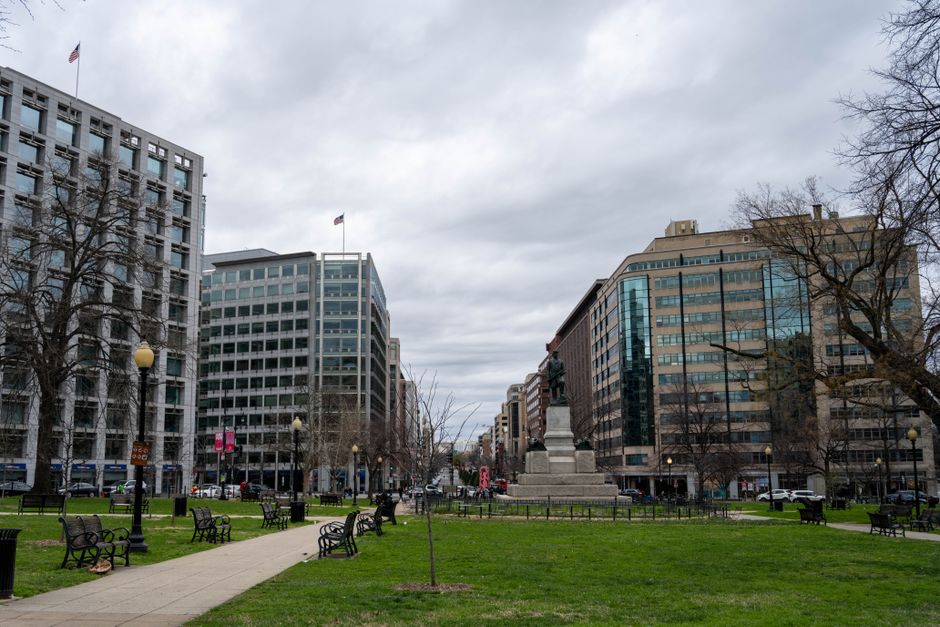
A one-bedroom apartment in Dupont Circle now commands $2,400 monthly on average. A modest townhouse in Northeast DC's H Street corridor starts north of $650,000. These aren't outlier prices anymore—they're the new baseline for a city experiencing a historic reshaping of its housing market, driven less by traditional homebuyers than by institutional investment firms and cryptocurrency-wealthy newcomers seeking diversification.
For ordinary Washingtonians already stretched by childcare costs, transportation between Arlington and the District, and inflation hitting staples at corner stores on U Street, the implications are stark. Investment firms now control roughly 28 percent of single-family rentals in the DC metro area, up from 18 percent five years ago. This concentration matters directly to your lease renewal. When your landlord is a real estate investment trust rather than an individual property owner, rent increases follow algorithmic precision, not neighborly negotiation.
The secondary effect—one many residents overlook—is how this reshaping cascades through working-class neighborhoods. Petworth, once an accessible corridor for service workers, teachers, and young families, has seen median rents climb 34 percent since 2021. Georgetown and Capitol Hill have largely priced out their service economy entirely. The result: longer commutes from Hyattsville, Silver Spring, and Prince George's County, where housing remains cheaper but transit time to downtown jobs now averages 90 minutes.
Meanwhile, volatile cryptocurrency markets are creating a parallel pressure. Wealth concentrated among early adopters of digital assets has accelerated demand for luxury condos and investment properties as hedges against inflation—which further detaches housing costs from local wage growth. Average DC salaries have risen 12 percent in three years. Housing costs have risen 41 percent.
For residents navigating this landscape, several practical steps matter: secure fixed-rate mortgages before further rate volatility, scrutinize lease agreements for algorithmic rent increases tied to regional indices, and understand that saving for a down payment now requires either geographical flexibility or household income north of $180,000. The DC of affordable walkable neighborhoods isn't gone, but its boundaries keep contracting.
The city remains economically vibrant. But the vibrance increasingly belongs to a narrower band of residents. Understanding that division—and planning accordingly—is no longer optional for those trying to afford life here.
This article was compiled by AI and screened before publishing. See our editorial standards.
How does this story make you feel?
Spread the word
About this article
Published by The Daily Washington DC
Daily brief
Free, in your inbox before 7am. Weekdays.
More in Business