DC's U Street Corridor Grapples With Displacement Crisis
Rising property values threaten longtime residents as leaders debate zoning reforms versus rent controls to preserve affordability.
Rising property values threaten longtime residents as leaders debate zoning reforms versus rent controls to preserve affordability.
Listen to this article · 3:23
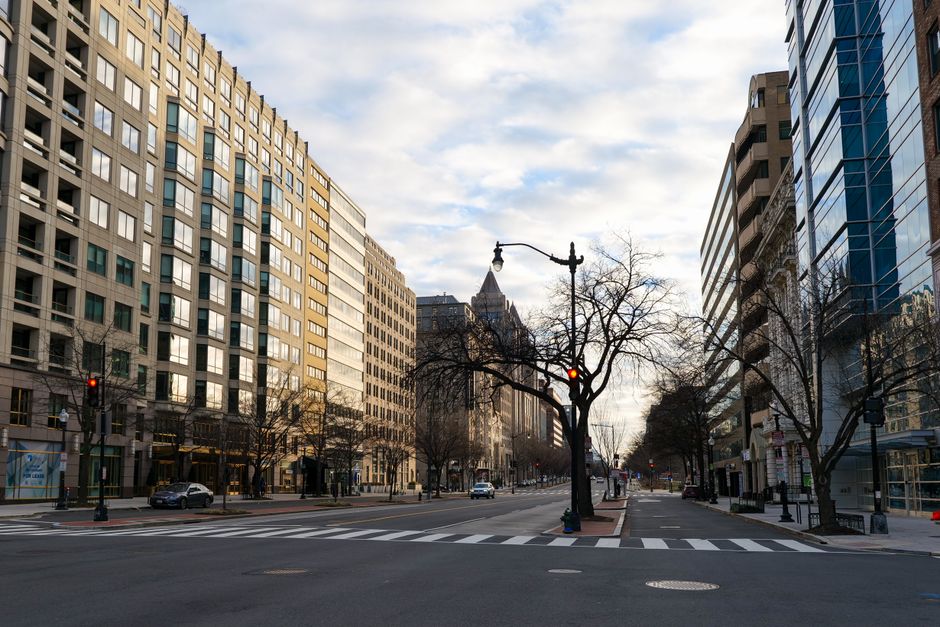
The U Street Corridor stands at a crossroads. Once the cultural heart of Black Washington, this Shaw neighborhood stretch has transformed dramatically over the past decade—and now faces a pivotal moment that will define whether future residents can actually afford to live here.
Property values have nearly tripled since 2015, with median rent now exceeding $2,100 for a one-bedroom apartment. The historic Lincoln Theatre, reopened in 2010, now anchors a corridor of craft cocktail bars, upscale restaurants, and boutique fitness studios. Yet longtime residents and business owners report increasing pressure from rising property taxes and lease renegotiations.
The District's Advisory Neighborhood Commission 6C is convening a series of critical meetings starting next month to chart a course. The central question: Should the city pursue aggressive zoning changes to enable more affordable housing construction, or implement rent stabilization measures that could discourage new development altogether?
Proponents of zoning reform argue the only sustainable solution involves building significantly more housing units. They point to the corridor's limited residential inventory relative to demand, noting that restrictive zoning has constrained new construction for decades. Under current rules, much of U Street remains zoned for low-density development incompatible with modern urban density.
Community preservationists counter that zoning alone won't protect existing affordability. They're advocating for stronger tenant protections and requirements that new development include a percentage of genuinely affordable units—not merely market-rate housing that theoretically increases supply.
The D.C. Housing Authority and local nonprofits like the U Street Main Street organization have begun preliminary discussions with the Office of the Deputy Mayor for Planning and Economic Development. City officials acknowledge the stakes: the U Street corridor represents one of the city's last economically mixed neighborhoods with significant cultural continuity.
The decisions made in coming months will reverberate far beyond Shaw. The corridor's experience offers a test case as Washington grapples with how to preserve neighborhood character while accommodating growth. With similar pressures affecting H Street NE, Petworth, and other neighborhoods historically excluded from the city's wealth, the solutions debated here could shape residential Washington for the next generation.
Community meetings begin July 22 at the Howard Theatre. The timeline for recommendations: September 2026.
This article was compiled by AI and screened before publishing. See our editorial standards.
How does this story make you feel?
Spread the word
About this article
Published by The Daily Washington DC
Daily brief
Free, in your inbox before 7am. Weekdays.
More in News