DC Commuting Options: How Washington Residents Actually Get Around
Metro, bikes, or rideshare? Learn how DC residents navigate the city with real commute strategies, costs, and insider tips for getting around Washington.
Metro, bikes, or rideshare? Learn how DC residents navigate the city with real commute strategies, costs, and insider tips for getting around Washington.
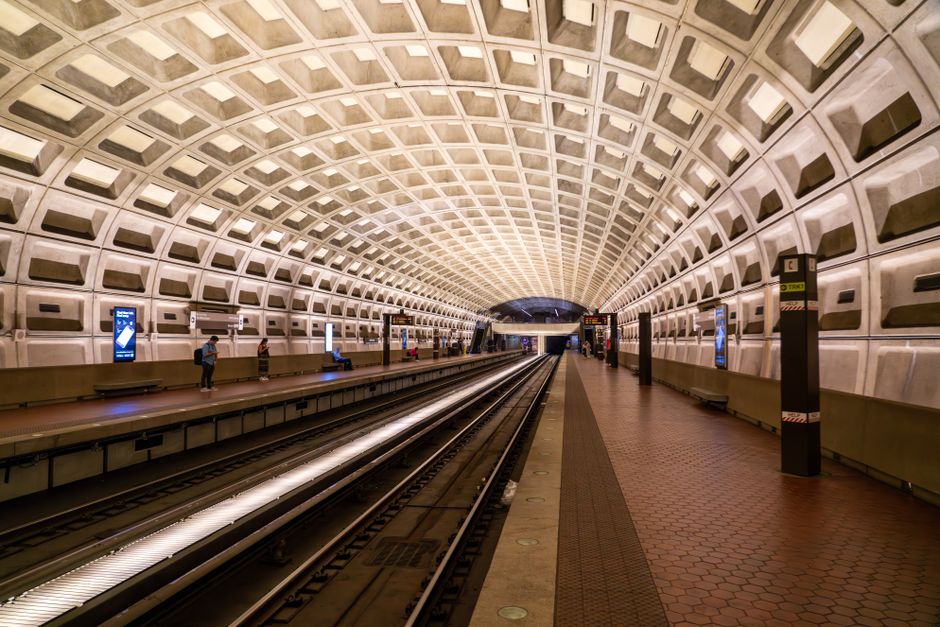
The Metro's iconic escalators are broken again. The K Street corridor is gridlocked. A delivery truck has claimed another bike lane on Pennsylvania Avenue. Welcome to commuting in Washington DC, where getting from point A to point B requires equal parts strategy, flexibility, and a sense of humor.
We spoke with dozens of DC residents across different neighborhoods to understand how they actually navigate the city. The consensus? There's no single right answer—but there are several wrong ones.
For those choosing the Metro, the calculus remains largely unchanged. A monthly pass costs $100, and while the system reaches into Maryland and Virginia, reliability varies wildly. Morning commutes from Woodley Park or Van Ness to downtown typically run 25-35 minutes, but delays are so frequent that locals build them into their schedules as a matter of course. The real insight from veterans: avoid the Red Line during rush hour if you value your sanity, and always have a backup plan.
Cycling has exploded across DC's 150-plus miles of bike lanes, particularly among residents in Capitol Hill, Shaw, and Columbia Heights. Capital Bikeshare's 5,300 bikes make it accessible, though a monthly membership ($20) only makes sense if you're riding three times weekly. The honest truth from regular cyclists: biking beats transit for trips under two miles, and the ride along the Rock Creek Park Trail or down the Georgetown waterfront beats sitting in traffic every time.
But cars still dominate for many. Parking at a residential permit lot near Connecticut Avenue or U Street costs roughly $150 monthly, and downtown garages push $25-30 daily. Rush hour on I-66 and the Beltway can stretch commute times to 90 minutes, making a 12-mile journey feel Sisyphean. Most drivers acknowledge they'd switch methods if the alternatives were better.
The emerging reality: DC residents piece together hybrid commutes. Take the Metro from Bethesda to Metro Center, then bike to an office near the Waterfront. Or drive to a Park-and-Ride and take transit the rest of the way. Scooters fill micro-mobility gaps, though the city's congestion of abandoned devices suggests adoption remains patchy.
What locals won't tell you in casual conversation but will admit privately? The commute is exhausting, infrastructure investment lags demand, and no single solution works universally. The best strategy borrows from all options, builds in time for disruption, and accepts that some days you'll simply be stuck behind that same delivery truck everyone else is cursing.
This article was compiled by AI and screened before publishing. See our editorial standards.
How does this story make you feel?
Spread the word
About this article
Published by The Daily Washington DC
Daily brief
Free, in your inbox before 7am. Weekdays.
More in lifestyle