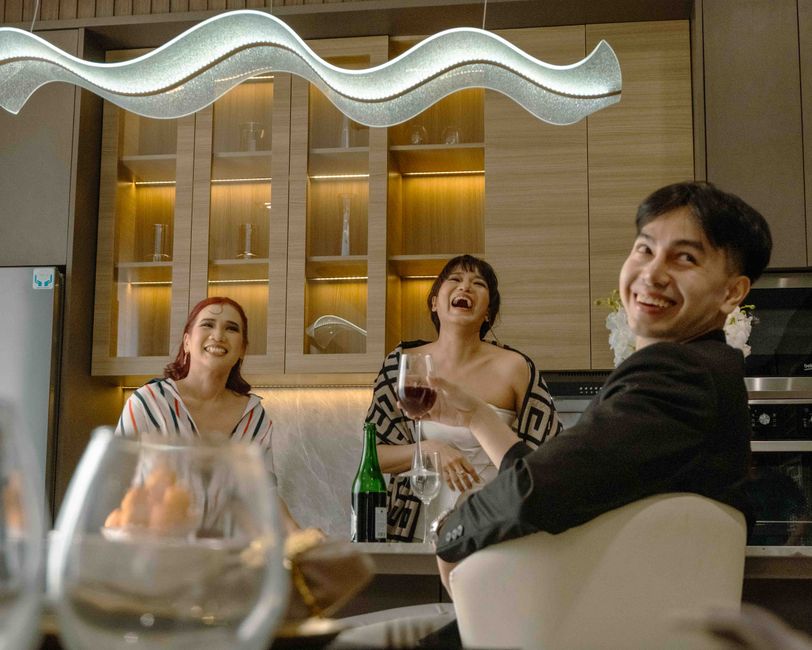
H Street Northeast used to mean one thing to after-work drinkers: predictable beer specials and a crowd old enough to remember when the neighborhood was actually dangerous. That's no longer the case. Walk the three-block stretch between 8th and 11th Streets on a Thursday evening and you'll find $3 well drinks, $2 wings, a twentysomething clientele that outnumbers anyone over 40, and bar owners openly panicking about how to fill seats before happy hour ends at 6 p.m.
The shift reflects a broader reckoning across Washington's dining and drinking scene. As rents climbed 22 percent on H Street between 2022 and 2025, according to commercial real estate firm CoStar, bars that spent years coasting on location alone discovered they actually had to compete. That meant lower prices, longer happy hours, and the kind of aggressive marketing that makes bartenders cringe.
«We used to run happy hour from 5 to 7,» said one H Street bar manager who declined to be named, citing competitive sensitivity. «Now it's 4 to 7 at most places, and some spots have started at 3. You either adapt or you watch someone else's neon sign light up.»
The Reckoning at the Neighborhood's Biggest Names
The clearest evidence of this shift sits at Busboys and Poets on H Street and 14th, which expanded its happy hour pricing in 2024 and saw foot traffic increase 18 percent year-over-year. The restaurant-bar hybrid now runs half-price appetizers and $4 cocktails from 4 p.m. to 6:30 p.m. on weekdays. Three blocks away, Mahall's bar doubled down on the competition by introducing a «power hour» format—45 minutes of staggered drink discounts that rewards customers for arriving earlier. A vodka soda at $3 at 4:15 p.m. climbs to $5 by 5:45.
What's changed most noticeably is who shows up. Five years ago, the typical H Street happy hour crowd was finance types and Hill staffers in their 30s and 40s. The median age has dropped visibly. Bartenders now complain about explaining Venmo to a table that pays exclusively through it. The demographic shift matters because younger drinkers have different expectations: they want Instagram-friendly interiors, craft cocktails that don't taste like well liquor, and venues where they can feel like they're doing something interesting rather than just drinking. A beer-and-wings bar doesn't cut it.
When Volume Beats Margin
The economics are straightforward and brutal. A $4 cocktail that once yielded $3 in profit per drink now yields $1.50. Bar owners are making up the difference through volume—longer happy hours mean more people flowing through the space. But that only works if the neighborhood stays attractive, which means investing in the spaces themselves. Mahall's spent roughly $120,000 on interior upgrades in early 2025. Busboys renovated its H Street bar section that same year.
The changes are creating genuine uncertainty about which establishments will survive the next two years. Several longtime H Street bars have closed since 2024, including two that had been operating for over a decade. Commercial landlords are aware of the pressure, but they're still collecting market rent. That contradiction—thin profit margins meeting rising occupancy costs—is the actual story on H Street right now.
If you want to experience what this neighborhood-wide transformation looks like in real time, show up between 4 and 5:30 p.m. on a Thursday. Mahall's will be packed, Busboys will have every seat taken, and at least three other bars will be offering something you've never heard of to get you through the door. After 6 p.m., half of them will empty out just as suddenly. That churn—the frantic scramble followed by the collapse—is what happy hour on H Street has become.