lifestyle
Why Washington D.C. Brunch Remains a Unique Global Phenomenon
Beyond the power lunches and policy debates, the capital’s weekend brunch scene offers a distinct reflection of international influence and local tradition.
How we reported this
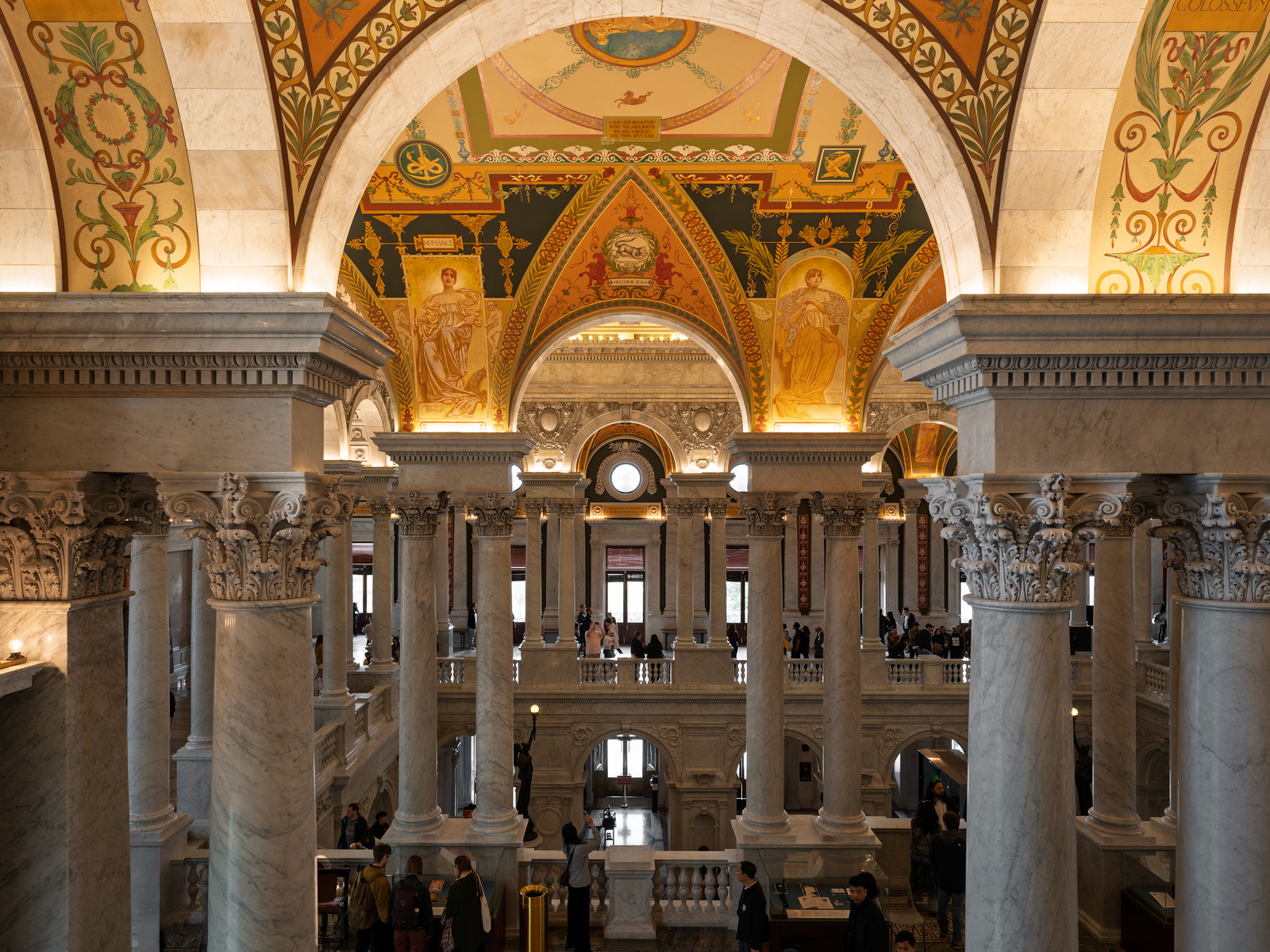
Washington D.C.’s brunch scene has matured into a geopolitical performance, blending the city’s dense concentration of international diplomats with a hyper-local obsession for seasonal mid-morning dining. While cities like Paris or New York rely on legacy cafe cultures, the District’s Sunday morning ritual is defined by its fusion of global representation and heavy-duty political hospitality. Following the conclusion of the 250th Independence Day celebrations, local restaurants across the city reported record-breaking demand for brunch reservations this weekend, proving that the tradition is as much a civic institution as the monuments themselves.
The current weekend spike is not merely a post-holiday overflow; it represents the unique pressures of a city where the boundary between networking and leisure is frequently blurred. According to the 2026 Hospitality Economic Report published by the Restaurant Association Metropolitan Washington, full-service dining establishments in the District saw a 14% increase in weekend revenue during the first half of this year compared to 2025. This uptick underscores how D.C. venues like Le Diplomate on 14th Street NW or Zaytinya in Penn Quarter have adapted to accommodate a clientele that expects seamless transitions between casual relaxation and professional high-stakes conversation.
A Global Table in the Nation's Capital
What sets the capital apart from other major urban centers is the sheer scale of international culinary influence baked into the morning menu. Unlike the standardized offerings found in London or Tokyo, a D.C. brunch often features direct access to global diplomats and their preferred tastes. At establishments such as Rasika in the West End, the brunch menu frequently reflects a level of regional specificity rarely seen outside of South Asia, catering to a sophisticated diner base that includes staff from the nearby World Bank and the International Monetary Fund. This proximity to global power dynamics ensures that even a standard omelet or pancake stack is held to a standard of international scrutiny, driving an environment of intense quality competition among local chefs.
Geographically, the scene remains anchored in neighborhoods that have retained their character despite the rapid development seen in areas like Navy Yard. While the Waterfront has attracted newer, high-volume dining spaces, the core of the city’s brunch identity remains rooted in the historic row houses of Dupont Circle and the eclectic corridors of Adams Morgan. Venues like Lapis on Columbia Road NW exemplify this, providing an Afghan-inspired menu that highlights the District's role as a global crossroads. The price point for a standard two-person brunch, including drinks, averaged $88 across top-rated D.C. venues in late June 2026, according to internal tracking data from the Destination DC tourism board.
Looking Ahead to the Fall Season
As the summer heat intensifies throughout July, diners should anticipate a shift toward reservations being booked exactly 14 days in advance, as is common practice at many of the Michelin-recognized brunch spots in Georgetown and Capitol Hill. For those looking to avoid the longest waits, the Tuesday and Wednesday window remains the most effective time to secure high-demand tables for the upcoming weekend. The resilience of this dining culture suggests that even as the city manages major events, from regional weather responses to shifting diplomatic priorities, the Sunday table remains the one constant in Washington life. Expect menus to pivot toward later-summer harvests, with local farmers from the Montgomery County agricultural zones beginning their peak delivery schedules in August.