lifestyle
Washington's Happy Hour Culture Outpaces London and New York Globally
Unlike the transactional bar scenes of London or New York, the District’s after-work culture is built on a foundation of political intimacy and historic preservation.
How we reported this
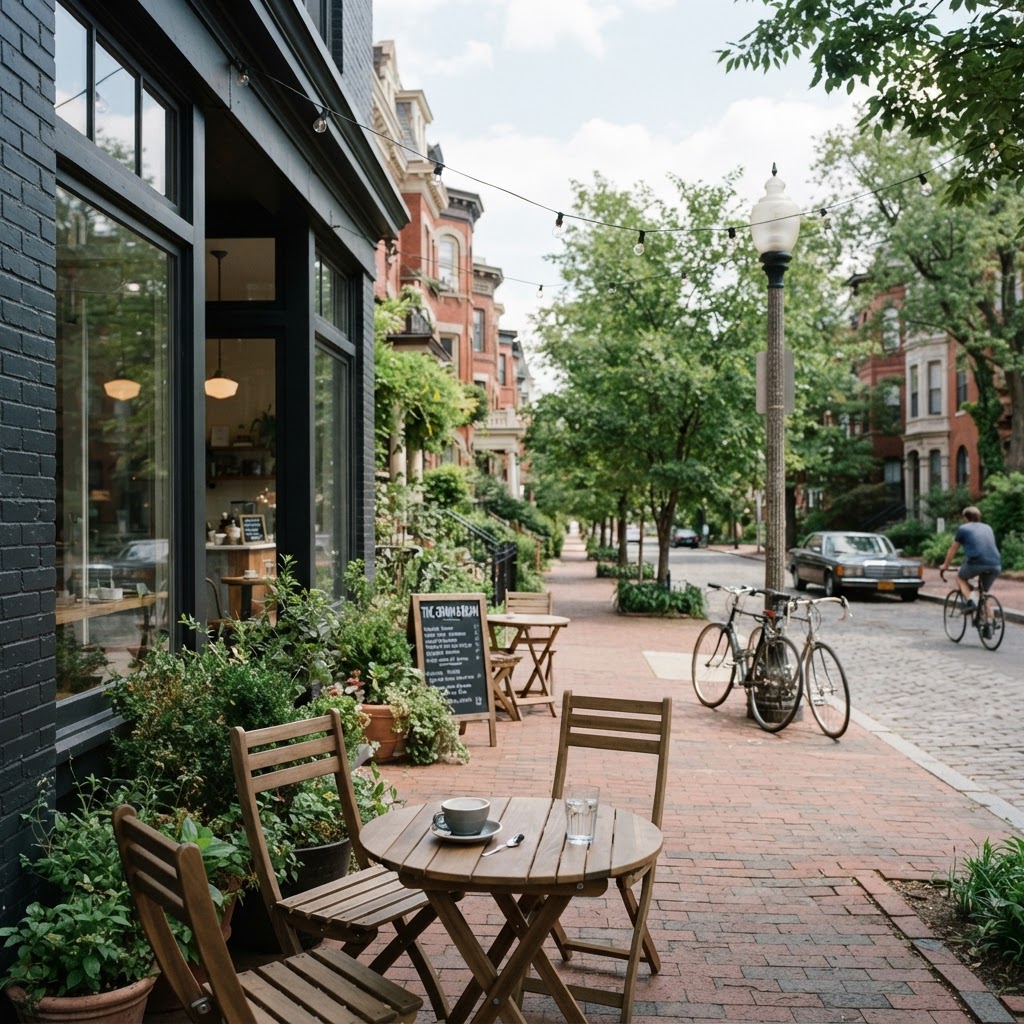
Washington, D.C.’s happy hour culture has successfully weathered this week’s record-breaking heatwave, with venues from Foggy Bottom to the H Street Corridor offering refuge as official Independence Day festivities remained curtailed. While metropolitan hubs like Paris or Tokyo operate on distinct late-night dining cadences, the District functions on a unique schedule dictated by the movement of the federal workforce and the density of advocacy organizations surrounding K Street.
The Architecture of Influence
The city's unique social geography stems from a blend of power and proximity. At the Old Ebbitt Grill, located at 675 15th Street NW, the interior remains a repository of political history, serving as a primary site for the city's signature "power hour" since 1856. Unlike the sprawling, disconnected nightlife districts found in many capital cities, D.C. venues are often physically integrated into the same limestone buildings that house the lobbyists, staffers, and journalists who shape national policy.
This ecosystem fosters a level of professional intimacy rarely seen elsewhere. At The Hamilton, situated just blocks from the White House, the layout is designed specifically to facilitate these high-stakes, low-pressure interactions. The venue, which utilizes over 30,000 square feet of space, demonstrates how D.C. bars function as extensions of the office, bridging the gap between legislative gridlock and the need for communal decompression.
Data-Driven Decompression
The economics of the local scene are as precise as the city’s legislative calendar. According to the 2026 Restaurant Association of Metropolitan Washington (RAMW) industry reports, the average D.C. happy hour price point for a craft cocktail hovers between $10 and $14, providing a strategic value proposition during a period of high inflation. These figures are maintained through a delicate balance of high-volume turnover and the proximity of the workforce to the city's central business districts.
The current heat emergency has forced many operators to prioritize climate-controlled environments and outdoor misting systems, a necessity that defines the July 2026 experience. For residents, the best strategy remains targeting venues with robust indoor infrastructure. Prioritize establishments along the 14th Street corridor, which currently reports some of the highest occupancy rates in the city. If you are planning an outing this weekend, verify current operating hours via the individual venue's digital portal, as several establishments have adjusted their service windows to accommodate the extreme weather patterns affecting the mid-Atlantic region.