lifestyle
A Practical Guide for Residents Ready to Explore the Best of DC Happy Hour
Navigating the District’s post-work social scene requires a blend of strategy, geography, and a thirst for quality.
How we reported this
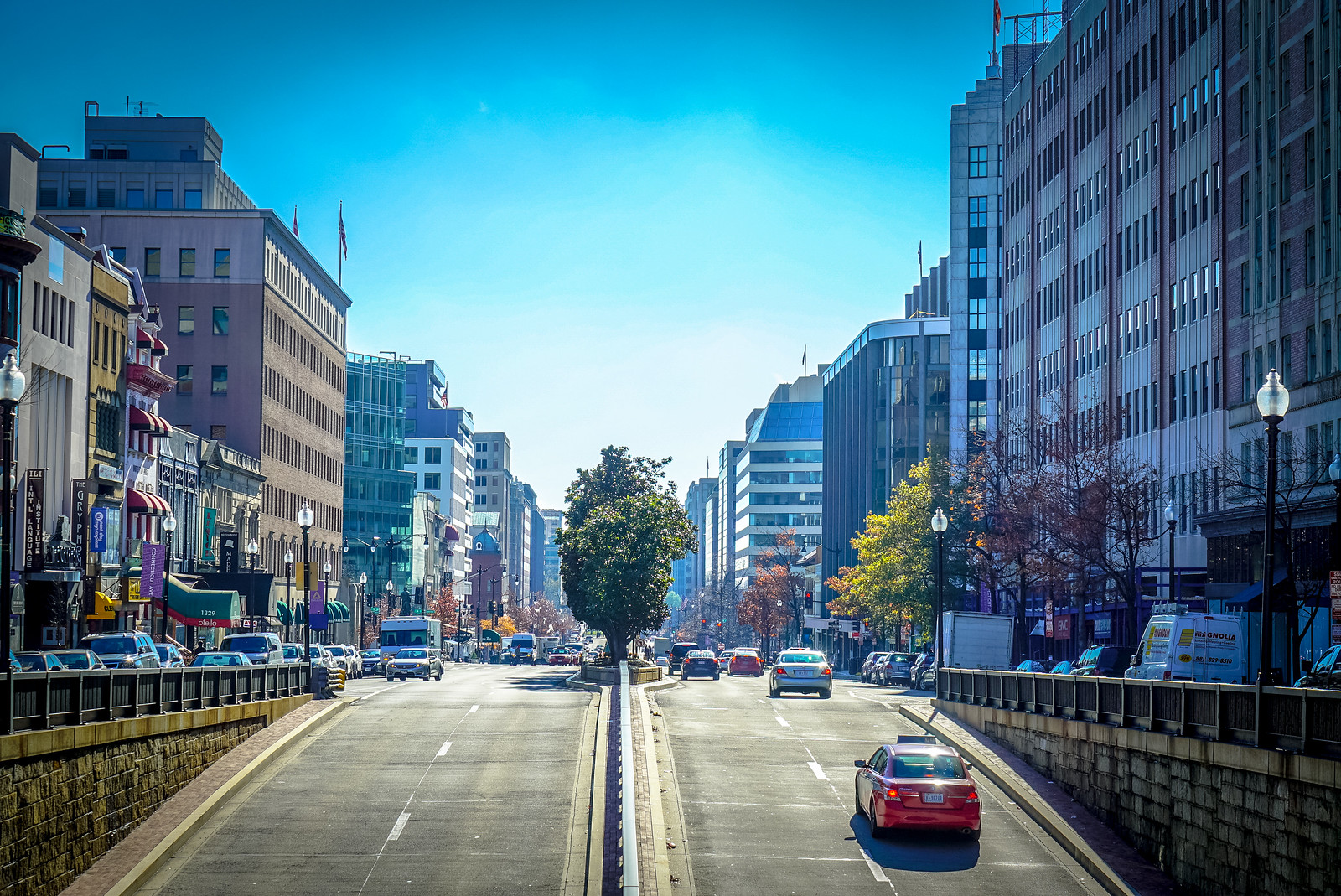
Washington’s hospitality scene is shifting, with neighborhood establishments increasingly focusing their evening programming on curated early-access windows. For the local resident, the ritual of the post-work social hour has evolved from simple drink specials into a refined way to experience the city's diverse culinary footprint without the weight of a full-course check. As summer temperatures peak in July, the competition for the best patio and bar-top seating has reached its annual high, making timing as critical as location.
Mapping the District’s Prime Spots
The city's geography dictates the experience. In the 14th Street corridor, venues like Le Diplomate lean into a French-inspired tradition that draws a consistent crowd looking for reliable consistency in an bustling environment. Moving toward the waterfront, The Wharf offers a different tactical advantage, where open-air designs take full advantage of the Potomac breeze. Places such as Mi Vida provide a specific regional focus that highlights the diversity of the District's dining options. These venues prioritize accessibility, allowing residents to bypass the reservation-heavy prime dinner slots while still accessing high-quality menu items.
For those looking to venture into historic pockets, Georgetown and Adams Morgan offer a more granular, street-level experience. Institutions along Wisconsin Avenue often operate with a legacy focus, while newer developments tucked away in Shaw prioritize modern, cocktail-forward menus. The key to successful navigation in these areas remains flexibility; arriving early, typically before 5:30 p.m., is often the difference between securing a prime spot at the bar and waiting on the sidewalk.
The Value of Strategic Timing
Economics in the District’s hospitality sector show that establishments are moving toward tiered pricing structures to drive traffic during mid-week windows. According to reporting from local industry observers, restaurants are increasingly utilizing digital platforms to broadcast daily specials, reducing the reliance on traditional paper menus. While some venues maintain traditional 5:00 p.m. to 7:00 p.m. windows, a growing number of establishments now extend their offerings through the week, with some even experimenting with late-night reverse sessions to capture the post-dinner crowd.
Residents aiming to maximize their outing should prioritize checking specific venue social media channels or official websites, as these are now the primary vehicles for price disclosures and menu updates. When planning an outing, consider the neighborhood’s transit accessibility; proximity to Metro stations like U Street or Waterfront remains the most reliable indicator of how easily one can transition from the office to an evening social setting. By focusing on areas with a high density of options, residents can maintain mobility, allowing them to shift to a secondary location if a first-choice venue is at capacity.