Dupont Circle: Tips and honest recommendations from locals who live it daily
Beyond the fountain and the embassies, residents share how to navigate one of Washington’s most historic and enduring neighborhoods.
Beyond the fountain and the embassies, residents share how to navigate one of Washington’s most historic and enduring neighborhoods.
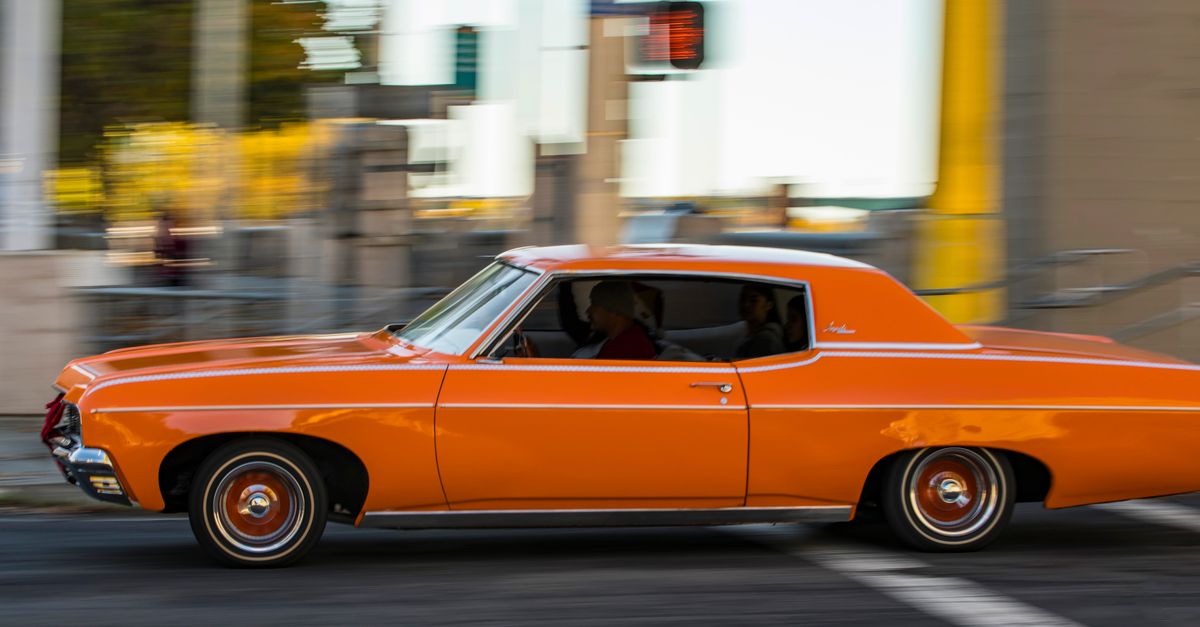
Dupont Circle remains the structural heart of Northwest Washington, a nexus where the city’s diplomatic history meets the daily rhythm of urban life. While visitors often gravitate toward the namesake traffic circle and the surrounding embassies, those who live and work in the neighborhood prioritize the quieter corridors tucked just a few blocks off Massachusetts Avenue. Finding the true pulse of the area requires looking past the standard tourist routes to the small businesses and green spaces that anchor daily life.
For residents, the neighborhood’s character is defined by its architectural variety and the density of independent businesses that have weathered recent economic shifts. A common local recommendation is to bypass the chains near the Metro station in favor of the specialized retail found along 17th Street NW. The Phillips Collection on 21st Street remains a staple, often cited by residents as the most accessible way to engage with the city’s art scene without the overwhelming crowds found on the National Mall. Similarly, the long-standing bookstores and record shops that pepper the side streets offer a glimpse into the area’s intellectual roots, which continue to attract a mix of academics, journalists, and long-term residents.
Early mornings at the Dupont Circle Farmers Market, operated by FRESHFARM, serve as the primary social event for the community on Sundays. The market, located along the 1500 block of 20th Street NW, consistently draws large crowds regardless of the season. Locals suggest arriving before mid-morning to secure a wider selection of seasonal produce from regional growers. Beyond the food, the market functions as a vital networking hub where neighborhood advocacy groups often set up stalls to discuss local zoning or historical preservation efforts.
Managing the intersection of heavy pedestrian traffic and residential needs is a recurring topic in local community board discussions. Public data from the District Department of Transportation indicates that the circle itself processes high volumes of vehicular movement daily, making it a challenging area for those attempting to navigate by bicycle or on foot during peak hours. For those looking to enjoy the area’s dining scene, the most seasoned advice is to target the alleyways and secondary streets like Q Street or Swann Street for outdoor seating, where the ambient noise from the main thoroughfares is significantly dampened.
As the neighborhood moves into the latter half of the summer, residents are currently monitoring the ongoing revitalization efforts regarding public park maintenance and safety. The Department of Parks and Recreation continues to manage the maintenance schedules for the central park area, with recent updates on their official website detailing the cleaning cycles and event permitting processes. Future visitors and new residents are encouraged to check the District’s public notification portal for updates on scheduled maintenance, which can occasionally impact access to the central fountain and the surrounding seating areas.
How does this story make you feel?
Spread the word
About this article
Published by The Daily Washington DC
Daily brief
Free, in your inbox before 7am. Weekdays.
More in lifestyle