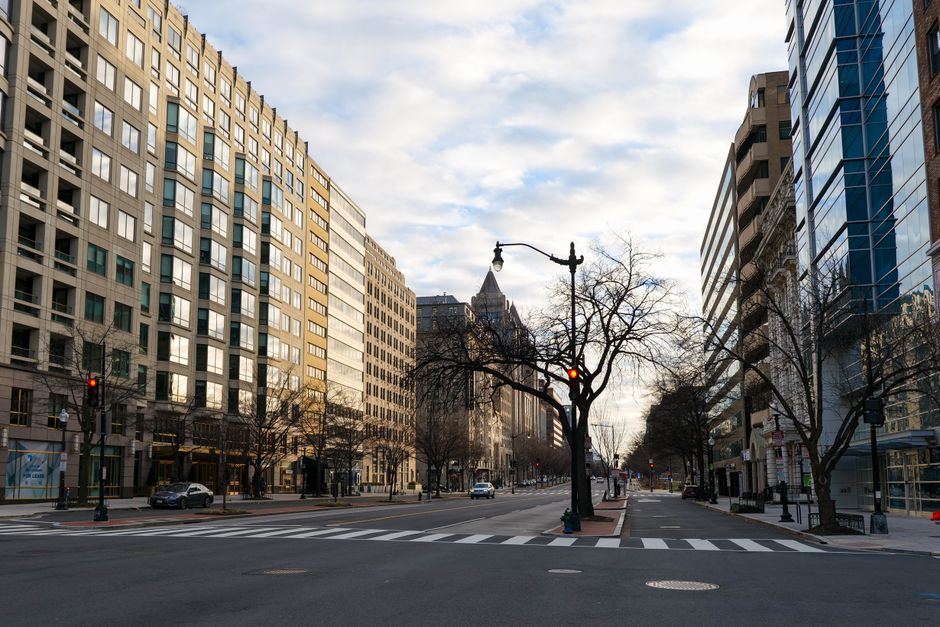
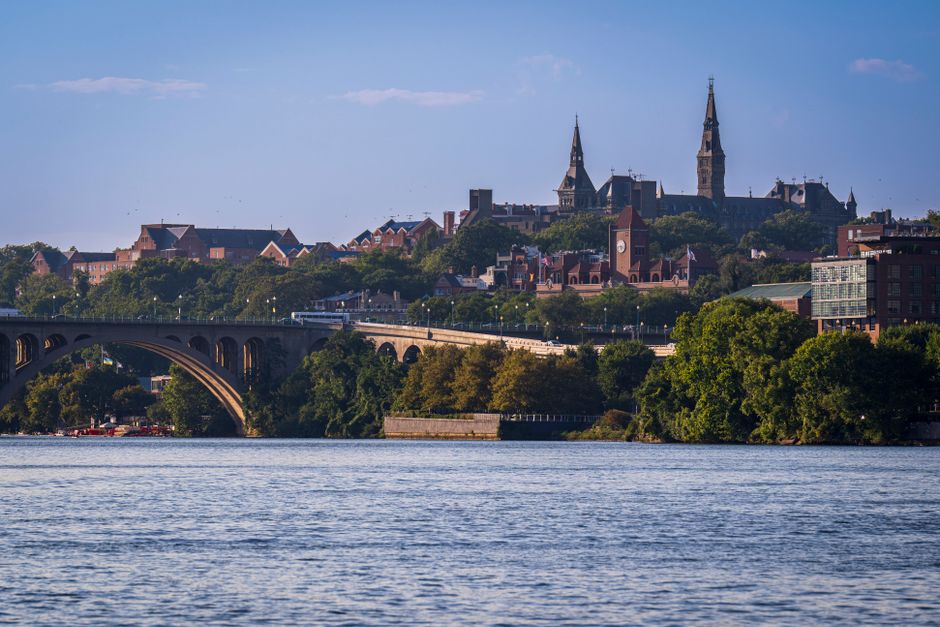
When a cardiac arrest occurs, every second counts. Medical professionals say brain damage begins within four to six minutes without oxygen. Yet across Washington DC, ambulances are taking an average of 7.2 minutes to arrive at emergencies—well above the national standard of 5.9 minutes, according to data obtained by community safety advocates.
The delays aren't limited to one neighborhood. From Columbia Heights to Anacostia, from the Southwest Waterfront to Northeast's Trinidad area, residents are reporting lengthening wait times. The DC Fire and Emergency Medical Services Department, which manages both fire response and ambulance services, faces unprecedented demand: call volume has surged 18 percent since 2024, while staffing levels have remained largely flat.
"We're stretched thin," said one veteran paramedic working in the Ward 7 corridor, which has seen some of the longest delays. "When you've got three ambulances covering an area that really needs five, people wait. And waiting in a medical emergency isn't safe."
The impact extends beyond hospitals. Public spaces like the National Mall, where millions of tourists and residents gather annually, and busy commercial corridors like U Street NW in Shaw and Pennsylvania Avenue SE, are increasingly vulnerable. A heart attack at Union Station or a serious accident on the Anacostia Freeway could mean the difference between recovery and tragedy—determined partly by response time.
Community organizations are sounding alarms. The Advisory Neighborhood Commission in Ward 5 has made emergency service staffing its top priority. The DC Office of the Victim Advocate has fielded complaints from residents whose 911 calls went unanswered for several minutes. Crime victims waiting for police response, accident victims awaiting medical care—both face growing delays.
The DC government's proposed 2027 budget includes funding discussions for FEMS staffing increases, but advocates argue the process moves too slowly. Meanwhile, neighborhoods already underserved—predominantly lower-income areas east of the Anacostia River—face the steepest delays.
City officials acknowledge the strain. The Fire Chief recently told the Council's Public Safety Committee that current resource allocation is unsustainable. But solutions require political will and significant funding.
For DC residents, the message is clear: the emergency response system that once operated as a reliable safety net is showing serious wear. Whether the city can restore it remains an open question—and one that could determine life or death.
This article was compiled by AI from the sources linked above and screened before publishing. See our editorial standards.