How DC's Crime Prevention Strategy Evolved: A Decade of Policy Shifts, Budget Battles, and Community Pressure
The District's approach to public safety has undergone seismic changes over the past ten years—here's what led us to where we are today.
The District's approach to public safety has undergone seismic changes over the past ten years—here's what led us to where we are today.
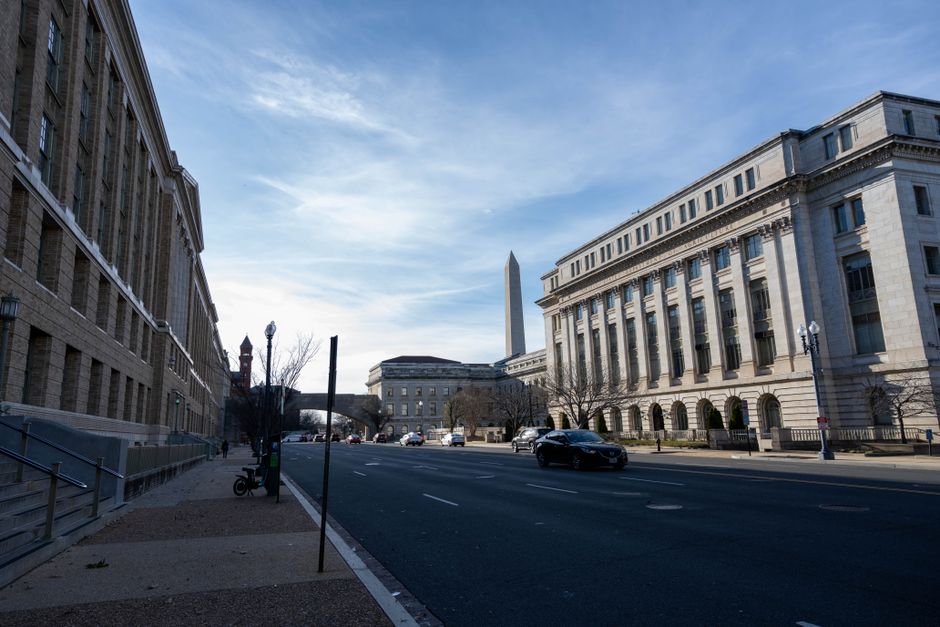
Washington DC's relationship with crime prevention has been anything but linear. The trajectory that brought the District to its current emergency services posture reflects a complex interplay of political shifts, budget constraints, and mounting community demands that transformed how the city approaches public safety.
The 2016 violent crime surge—which saw homicides spike to levels not seen since the early 2000s—marked an inflection point. That year, the District recorded 180 homicides, sending shockwaves through neighborhoods from Southeast's Anacostia corridor to Northeast's Trinidad area. The spike prompted Mayor Muriel Bowser's administration to fundamentally reconsider the Metropolitan Police Department's resource allocation and community engagement strategies. What had worked during the relatively peaceful mid-2010s suddenly seemed insufficient.
Over the subsequent decade, the city invested heavily in technologies like ShotSpotter surveillance systems along H Street NE and in Petworth, while simultaneously facing pressure to reduce police budgets—a tension that defined much of 2020 and 2021. The District's emergency response infrastructure expanded dramatically. The Fire and Emergency Medical Services Department added stations in Woodridge and expanded its 911 dispatch center, which now handles roughly 800,000 calls annually.
Budget pressures intensified this calculus. The city's annual public safety spending—hovering around $1.8 billion across all departments by 2024—became increasingly contested terrain. Progressive advocacy groups pushed for reallocation toward violence interruption programs and community-based violence prevention, while business districts along Pennsylvania Avenue and in Georgetown demanded visible police presence to combat commercial robbery.
The rise of carjackings in 2021 and 2022 created another pivot point. Auto thefts surged more than 60 percent during this period, forcing the MPD and community organizations to develop new task forces and public awareness campaigns. Simultaneously, property crimes in commercial areas—particularly retail theft affecting major corridors like U Street NW—prompted retailers to invest in private security alongside municipal efforts.
By 2025, the city's approach had become multifaceted. Community Safety Aide programs deployed unarmed responders in specific neighborhoods, while the MPD maintained specialized units for violent crime investigation. The Office of the Chief Medical Examiner expanded its capacity, reflecting grim realities about homicide trends that persisted despite interventions.
This patchwork reflects how DC arrived at its current moment: a city attempting to balance prevention, enforcement, and harm reduction with limited resources and competing political pressures. Understanding that journey—marked by genuine setbacks, policy reversals, and hard-won lessons—is essential to evaluating where emergency services go next.
This article was compiled by AI from the sources linked above and screened before publishing. See our editorial standards.
How does this story make you feel?
Spread the word
About this article
Published by The Daily Washington DC
Daily brief
Free, in your inbox before 7am. Weekdays.
More in News