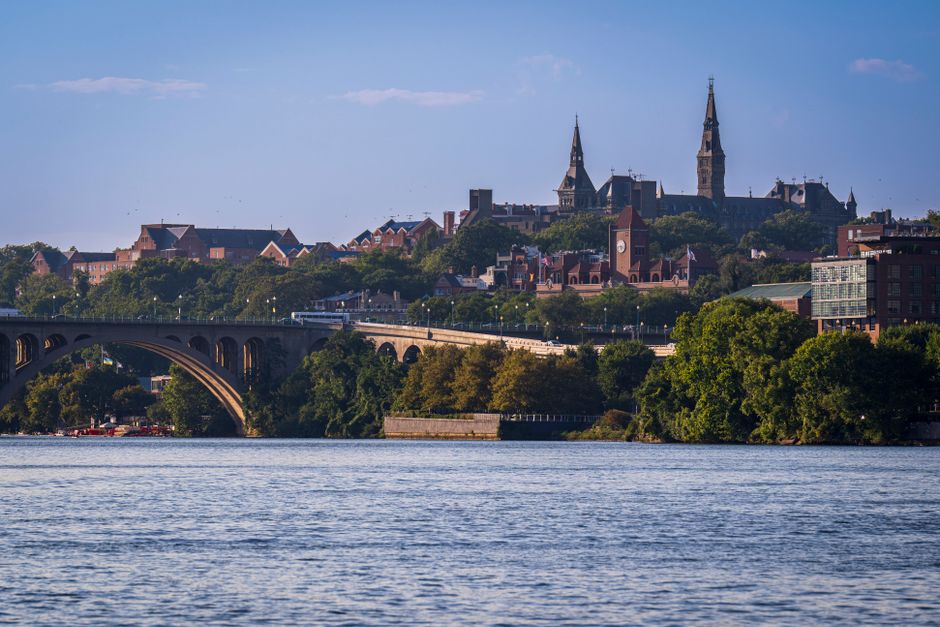
Washington DC's government faces a compressed legislative window this summer with three major decisions looming that will reverberate through neighborhoods from Capitol Hill to Anacostia. City Council members are navigating competing pressures as they prepare for their August recess, and the choices made in the coming weeks will fundamentally shape the city's trajectory through 2027.
The most consequential debate centers on a zoning overhaul that could unlock thousands of housing units across residential neighborhoods. The proposed amendments would allow fourplexes on single-family lots and reduce minimum lot sizes in areas like Chevy Chase, Woodland-Normanstone, and Takoma. With median home prices hovering near $850,000 and rental apartments averaging $2,400 monthly, housing advocates argue the changes are essential. However, neighborhood preservation groups worry about tree canopy loss and traffic impacts along avenues like Wisconsin Avenue and Connecticut Avenue.
The second critical vote concerns Metro's operating budget. The Washington Metropolitan Transit Authority is requesting a $50 million emergency subsidy to maintain current service levels through fiscal 2027. With ridership still below pre-pandemic levels and maintenance backlogs mounting, the council must decide whether to increase the city's contribution or accept reduced service hours. The decision carries particular weight for residents in Ward 7 and Ward 8, where car ownership rates remain lower than citywide averages and transit access is crucial for employment.
Ward 8's long-stalled St. Elizabeths East development also demands immediate attention. The 176-acre mixed-use project near the Anacostia River could deliver 3,500 housing units and commercial space, but questions persist about community benefit agreements and whether development will displace existing residents. Community leaders from Hilleast and Congress Heights have requested expanded local hiring provisions and guaranteed affordable housing percentages before lending support.
Council members must also navigate the thorniest issue: funding these initiatives without dramatically raising property taxes, which have climbed 8 percent over the past three years. The District's revenue growth has slowed due to remote work impacts on commercial real estate, and federal budget pressures mean reduced grant opportunities.
For DC residents tired of watching gridlock prevent progress, the next 30 days represent a genuine inflection point. Whether the council embraces necessary density, adequately funds transit, and ensures equitable development in east of the river will determine whether this city remains affordable for working families or continues its trajectory toward exclusivity. These aren't abstract policy debates—they're about who gets to live here.
This article was compiled by AI from the sources linked above and screened before publishing. See our editorial standards.