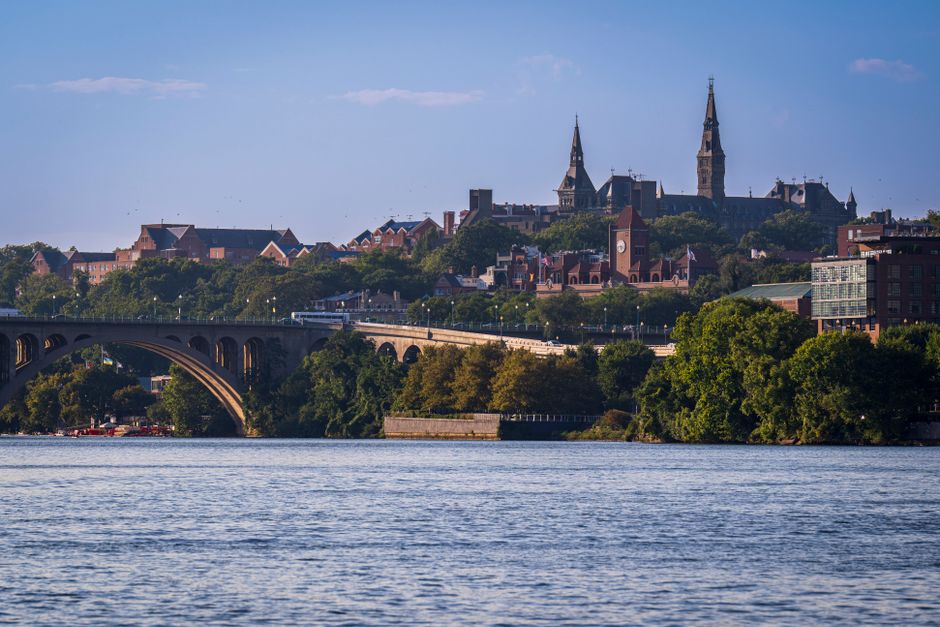
Washington D.C.'s zoning overhaul, set for final council approval next month, represents the most significant shift in urban planning policy in a generation—and it's already reshaping conversations around dinner tables across the city. The proposed reforms would eliminate single-family zoning restrictions in neighborhoods like Capitol Hill, Woodley Park, and Chevy Chase, potentially unlocking thousands of new housing units. But for a city where median rent has climbed 34 percent since 2016, the stakes for ordinary residents couldn't be higher.
The numbers tell part of the story. According to the D.C. Housing Authority, the average two-bedroom apartment in neighborhoods like Logan Circle now rents for $2,850 monthly—a figure that's pushed countless residents eastward toward Anacostia and the Trinidad neighborhood. Yet even those traditionally affordable areas are heating up. Property values along the H Street corridor have surged 28 percent in just three years, according to local real estate data, as developers eye conversion projects.
At the heart of the debate is a fundamental tension: Can aggressive zoning reform actually create affordable housing, or will it simply accelerate gentrification? The District's Department of Housing and Community Development argues that removing restrictions on multi-unit buildings will increase supply and naturally moderate prices over time. Yet community groups like the Ward 7/8 Development Corporation worry that new market-rate construction will further displace residents who've already weathered decades of neighborhood transformation.
The practical implications are already visible. The proposed rules would permit four-unit buildings on blocks currently zoned for single homes—a change that could affect thousands of properties from Brightwood to Deanwood. For homeowners, this opens new revenue possibilities; for renters and those priced out of ownership, it's a reminder of how quickly their neighborhood's character can shift.
What makes this moment pivotal is the timeline. With housing demand unlikely to cool and construction already reshaping the Southwest waterfront and H Street Corridor, the city faces a narrow window to shape how growth unfolds. The question residents are wrestling with is whether the new zoning framework includes enough protections—community land trusts, affordable set-asides, anti-displacement funding—to ensure housing growth benefits longtime D.C. residents, not just developers and newcomers.
The council votes next month. Residents concerned about their neighborhood's future should engage now.
This article was compiled by AI from the sources linked above and screened before publishing. See our editorial standards.