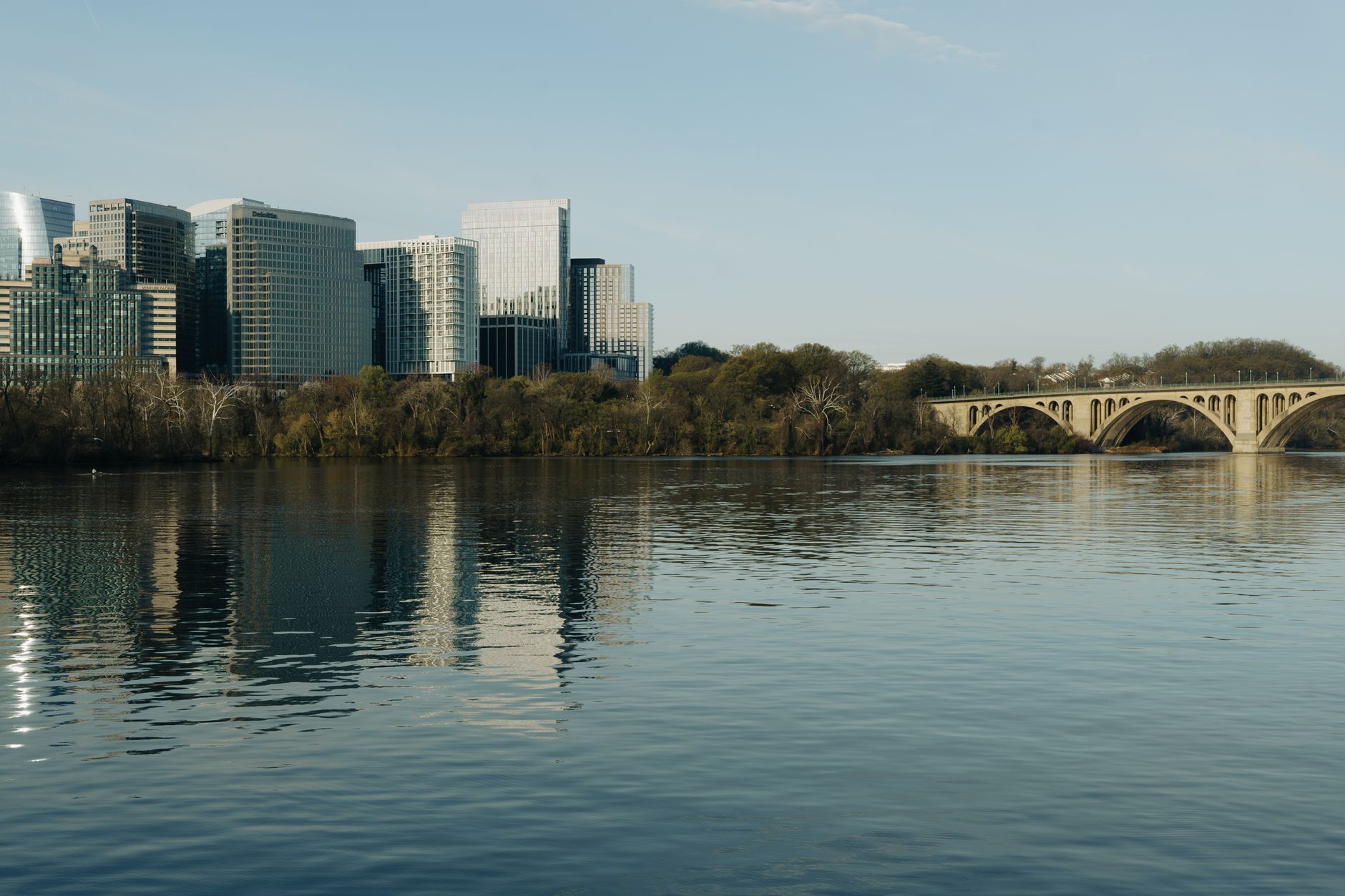
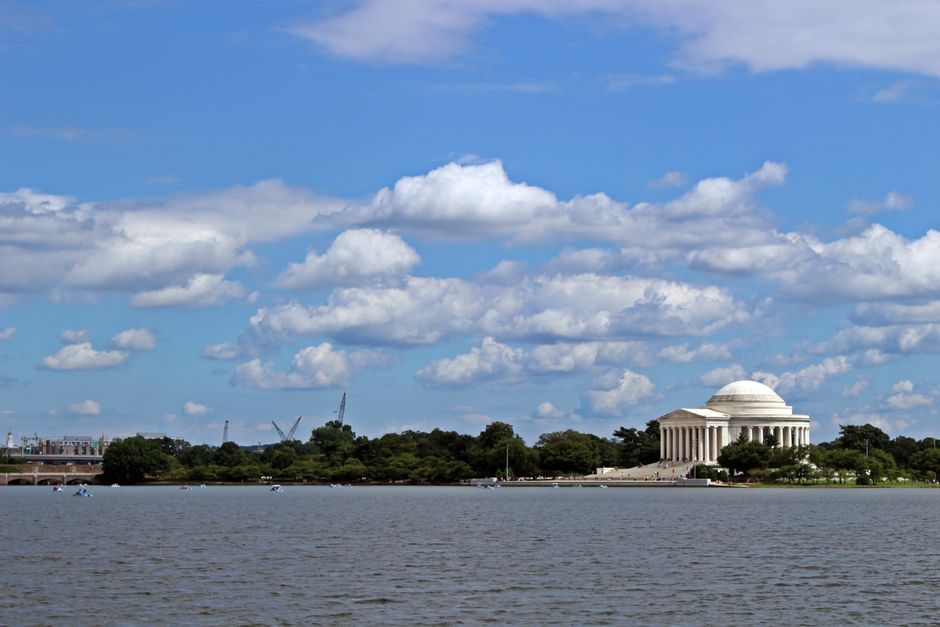
Washington DC is at a critical juncture. City planners are advancing zoning reforms that would allow more mixed-use development and reduce single-family home restrictions across neighborhoods like Capitol Hill, Brightwood Park, and Kalorama—a shift aimed at addressing a housing shortage that has pushed median rent to $2,100 per month, nearly double the national average.
On the surface, the logic is sound: more housing supply should theoretically ease affordability pressure. But residents and housing advocates are asking a harder question: who will actually benefit from these changes?
The concern centers on timing and implementation. Already, neighborhoods experiencing early zoning shifts have seen predictable patterns. Along the U Street Corridor, where zoning changes were approved three years ago, new construction has brought market-rate apartments averaging $2,400 monthly. The previous commercial buildings—once anchored by longtime Black-owned businesses and affordable housing above storefronts—have been demolished or renovated. Long-term renters faced steep increases; some left the neighborhood entirely.
"Zoning is just the first move," explains Dr. Malcolm Johnson, director of the Urban Land Institute's DC office. "What matters is whether the city pairs it with mandatory affordable housing requirements, community land trusts, and anti-displacement strategies."
The current proposal includes a 10 percent affordability requirement for new residential projects—a percentage housing experts say falls short of addressing DC's crisis. For context: the District has lost roughly 4,000 rent-controlled units over the past five years as buildings converted to market-rate. Meanwhile, median household income for DC residents has stagnated at $90,000, making new construction economically inaccessible to most existing residents.
The real challenge emerges in neighborhoods like Anacostia and Ward 7, where waterfront redevelopment plans promise transformation but have historically excluded longtime community input. Residents there have experienced decades of disinvestment followed by sudden speculative interest—a pattern that rarely benefits those who stayed through the lean years.
City Council members representing these areas have begun pushing back, demanding that zoning reforms include concrete community benefit agreements, preferential leasing for existing residents, and stronger rent stabilization measures.
The coming months will be crucial. DC's housing crisis is real and urgent. But so is the risk of creating solutions that only work for new arrivals with substantial incomes. Residents deserve clarity: are these zoning changes designed to house more Washingtonians, or simply to attract new money to the District?
This article was compiled by AI and screened before publishing. See our editorial standards.