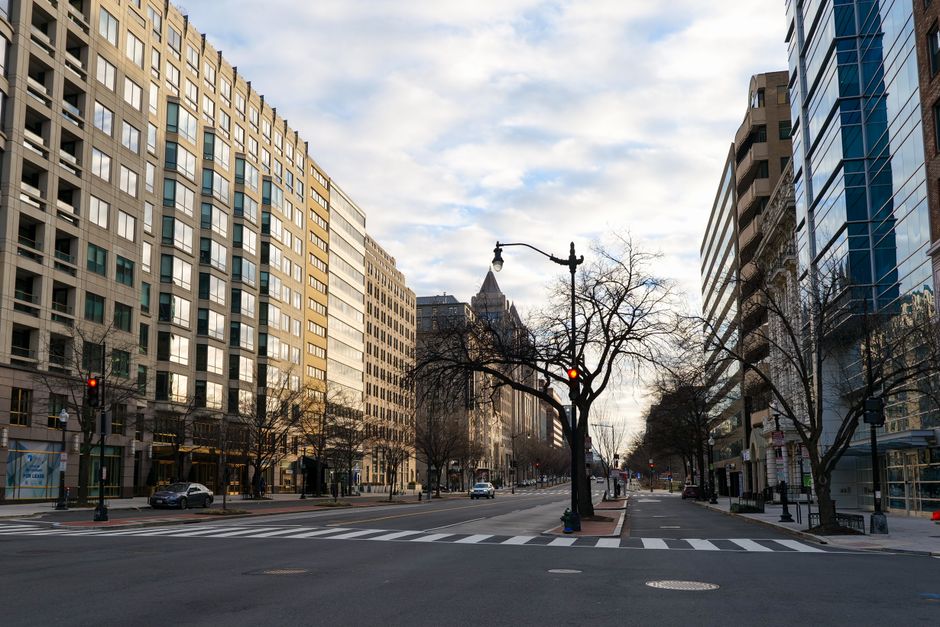
The DC Council advanced two rival housing affordability measures Wednesday, setting up a July 15 floor vote that housing advocates are calling the most consequential housing debate at the Wilson Building in at least three years. The immediate trigger: the city's median one-bedroom rent hit $2,247 in June, according to data compiled by the DC Department of Housing and Community Development, a figure that now exceeds the monthly take-home pay of roughly one in five District residents.
The timing is brutal. Thousands of federal workers who once anchored the rental market in neighborhoods from Capitol Hill to Friendship Heights have been shed through the Trump administration's ongoing restructuring, and DOGE-related layoffs have punched a hole in demand that landlords have not lowered prices to reflect. The vacancy rate in the Navy Yard corridor dropped to 4.1 percent in May — tight enough to give owners pricing power — while wards east of the Anacostia River sit above 9 percent and still see rising asking rents driven by speculative development.
Two Bills, One Deadline
The first measure, introduced by Ward 6 Councilmember Charles Allen, would expand the city's Inclusionary Zoning program to require that 15 percent of units in any new development over 10 units be set aside at 60 percent of Area Median Income, up from the current 8 percent threshold. The second bill, backed by at-large member Robert White, takes a different approach: a $75 million emergency infusion into the DC Housing Finance Agency's Housing Production Trust Fund, money that would flow directly to nonprofit developers building below-market units in NoMa and Anacostia — the two neighborhoods where market-rate construction has been most aggressive.
Mayor Muriel Bowser has not publicly endorsed either bill. Her office told reporters this week she supports the goals of both proposals but wants the Council's fiscal office to complete a full cost analysis before she commits. The Office of the Chief Financial Officer estimated in a memo dated June 30 that the Trust Fund injection would require drawing down roughly $40 million in reserves the city has been holding against federal funding clawbacks — a calculation that makes the vote politically dicey for members nervous about the District's $1.1 billion structural deficit.
At a community meeting Tuesday night at Anacostia's Department of Employment Services office on Good Hope Road SE, residents told council staff they could not wait for another budget cycle. Several described paying upward of $1,900 a month for two-bedroom apartments along Martin Luther King Jr. Avenue SE — streets that a decade ago were considered among the least desirable addresses in the city and where gentrification pressure has accelerated sharply since 2022.
What Renters Are Watching
The DC Fiscal Policy Institute released a report Thursday showing that a household earning the District's median income of $101,722 must spend 26 percent of gross pay to afford that $2,247 one-bedroom — technically within the federal 30-percent affordability threshold, but that math assumes no car payment, no student debt, and no childcare. For the roughly 43 percent of DC renters earning below $75,000 a year, the numbers collapse entirely.
Local tenant advocacy group Empower DC has scheduled a rally on the steps of the Wilson Building at 441 4th Street NW for the morning of July 15, the same day as the scheduled floor vote. The organization is specifically demanding the Council attach emergency rent stabilization language to whichever housing bill passes — a provision that neither current bill contains and that the real estate lobby has already signaled it will fight hard.
If the Council passes a bill before its summer recess begins July 18, Bowser will have 10 days to sign or veto before it becomes law without her signature. If neither bill clears the floor, the next realistic legislative window does not open until September — meaning renters facing August lease renewals, statistically the most expensive signing month in the DC market, will get no relief before the bills are even voted on.