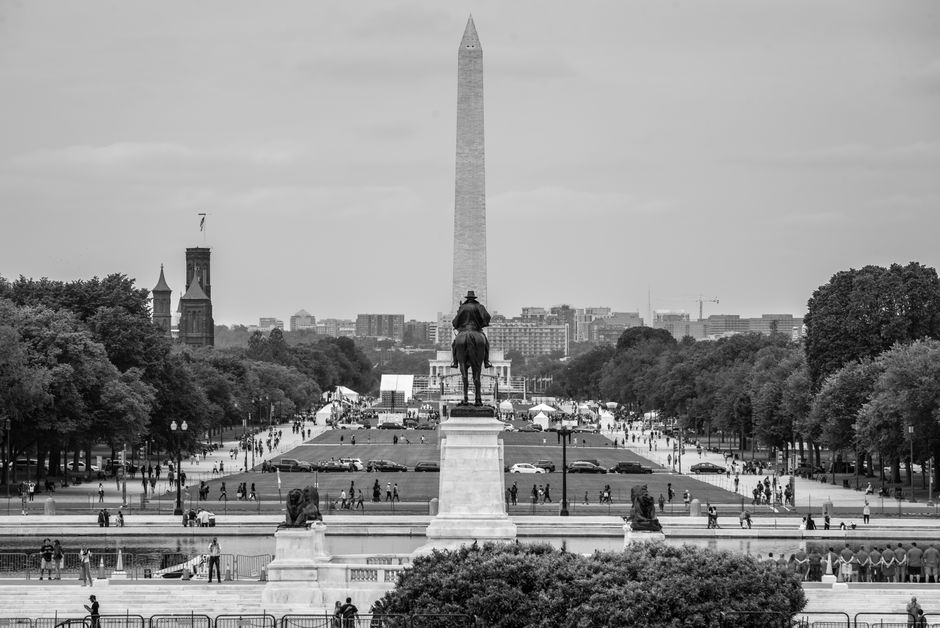
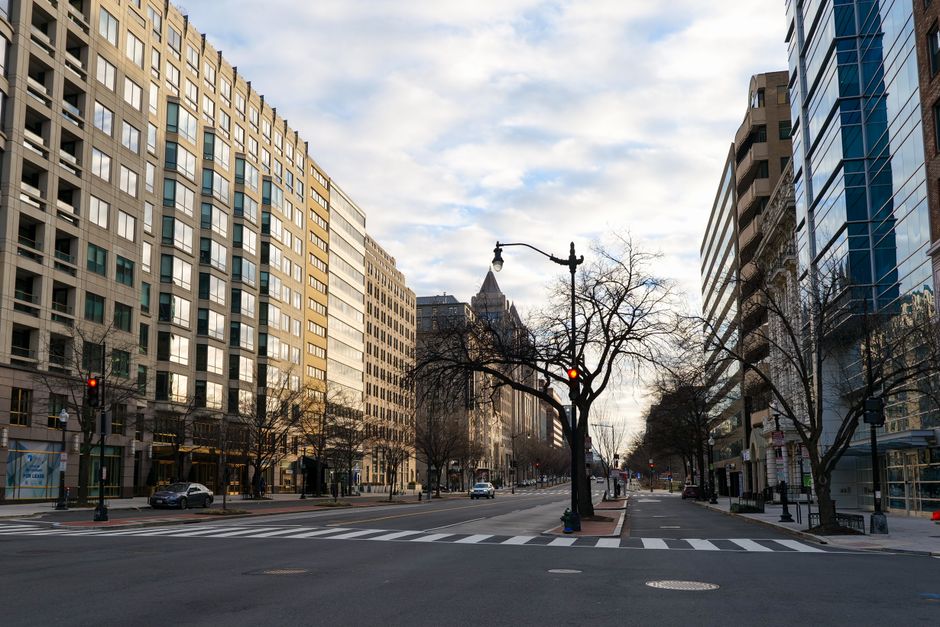
Capitol Hill has shed 8,400 long-term residents over the past decade as median rents climbed 67 percent — from roughly $1,650 a month in 2015 to just under $2,760 today — according to figures compiled by the DC Policy Center and cross-referenced with Census Bureau American Community Survey data released last month. The neighborhood east of Lincoln Park, once anchored by working-class federal employees, retirees, and multi-generational Black families, has been systematically repriced. What remains is younger, whiter, and significantly wealthier than the community that preceded it.
The timing matters because Washington is entering a period of compounding pressures. The Trump administration's restructuring of the federal workforce — executed in large part through the Department of Government Efficiency's reduction-in-force orders — has eliminated or relocated tens of thousands of federal jobs that historically supported the city's middle-income housing market. Mayor Muriel Bowser's office projects a $1.1 billion budget shortfall through fiscal year 2027, constraining the city's ability to backstop affordable housing programs already stretched thin. And neighborhoods like Anacostia and NoMa, historically buffers for displaced Capitol Hill residents, are themselves accelerating into higher-cost territory.
What Other Cities Have Managed to Do
The displacement rate in Capitol Hill is severe, but it is not unprecedented globally. Berlin lost roughly 60,000 residents from its Prenzlauer Berg and Mitte districts between 2005 and 2020 through a comparable rent surge — and then acted. Germany's 2020 Mietendeckel, or rent cap law, was ultimately struck down by Germany's Federal Constitutional Court in April 2021, but the political pressure it generated pushed the Berlin Senate to dramatically expand its Milieuschutz, or social preservation zones, to 74 designated neighborhoods where landlords face strict limits on luxury renovation and tenant displacement. Berlin now covers roughly 340,000 housing units under some form of milieu protection.
London offers a starker contrast. The borough of Southwark watched more than 12,000 council housing residents displaced between 2010 and 2022 through the Heygate and Aylesbury estate regeneration schemes, with replacement affordable units delivered at rates far below promises. The Greater London Authority has since moved toward mandatory affordable housing percentages — currently 35 percent on most private developments, rising to 50 percent on publicly owned land — but critics say enforcement remains inconsistent. Washington's Office of Planning requires affordability set-asides under its Inclusionary Zoning program, but the threshold sits at just 8 to 10 percent of units in most new developments, well below London's floor.
Vienna, frequently cited as the global benchmark, kept displacement rates in its first district under 3 percent over the same period through its Gemeindebau municipal housing system, which houses roughly 60 percent of the city's 1.9 million residents in rent-controlled public or cooperative stock. DC's public housing inventory, managed by the DC Housing Authority, stands at approximately 8,000 units — a figure that has not grown meaningfully since the 1990s and that DCHA itself has acknowledged falls roughly 19,000 units short of current waitlist demand.
What DC Has, and What It's Missing
The District is not without tools. The Tenant Opportunity to Purchase Act, known as TOPA, gives DC renters the right of first refusal when their building goes up for sale — a mechanism that has preserved hundreds of units in neighborhoods like Petworth and Columbia Heights. The Capitol Hill Community Foundation has worked with ward-level advisory neighborhood commissions to flag at-risk properties, and the DC Department of Housing and Community Development allocated $93 million through its Housing Production Trust Fund in fiscal year 2025. Advocates say that number needs to be closer to $200 million annually to keep pace with displacement.
For residents still holding on in the blocks around Eastern Market or along Massachusetts Avenue SE, the practical calculus is bleak but not hopeless. Legal aid attorneys at the Neighborhood Legal Services Program on Rhode Island Avenue NE report a spike in TOPA-related consultations since January, suggesting tenants are at least more aware of their rights than they were five years ago. The city's new Rent Stabilization Improvement Amendment, introduced in the DC Council this spring, would expand rent control coverage to buildings constructed before 1985 — potentially shielding an additional 23,000 units. A full council vote is expected before the end of summer recess. Whether that vote comes in time for the households still on Capitol Hill is a question the numbers are already starting to answer.