DC's Digital Archive Reckoning: What Happens Next and the Key Decisions Ahead
City agencies and federal offices face mounting pressure to resolve a backlog of duplicate and misidentified images in public records systems — and the clock is ticking.
City agencies and federal offices face mounting pressure to resolve a backlog of duplicate and misidentified images in public records systems — and the clock is ticking.
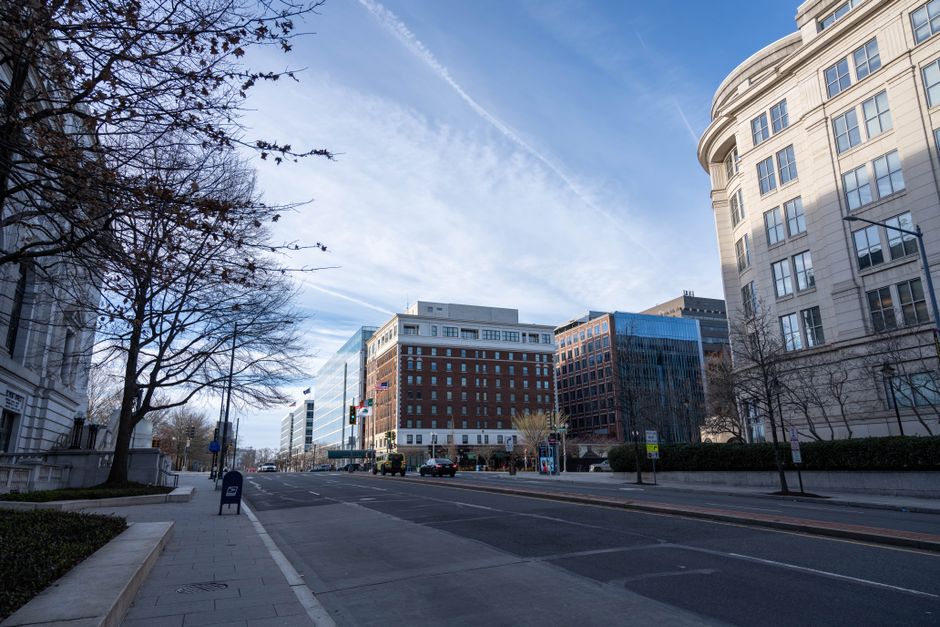
Washington's government offices are sitting on a problem that has quietly compounded for years: thousands of duplicate images embedded in public-facing digital archives, permit databases, and records systems that agencies across the District maintain. The question now is who fixes them, who pays, and whether anyone actually will.
The issue has gained fresh urgency in 2026. Under the Trump administration's federal restructuring, the General Services Administration — which manages digital infrastructure for dozens of federal buildings and shared record systems along F Street NW — has shed staff and renegotiated contracts. That leaves the District of Columbia government and its own agencies holding the bag on systems where federal and municipal data historically overlapped, particularly in property records and planning databases managed through the Office of the Chief Technology Officer on 200 I Street SE.
Duplicate images are not a cosmetic nuisance. When a permit application for a rowhouse in Anacostia contains a mismatched or duplicated photograph, the error can stall approvals, inflate processing times, and in some cases trigger compliance flags that delay construction by weeks. The DC Office of Planning, which administers zoning and land-use reviews through its offices near the Wilson Building on Pennsylvania Avenue NW, has flagged the problem internally as gentrification pressures in neighborhoods like NoMa and Anacostia have pushed application volumes sharply higher over the past three years.
The National Archives and Records Administration, headquartered on Constitution Avenue NW, faces a parallel challenge with its own digitization backlog. NARA has been working through a multi-year digitization mandate, but duplicate image entries in its online catalog — visible to any researcher using the agency's public portal — have drawn repeated criticism from academic institutions and genealogical organizations that rely on those records. The agency did not respond to a request for comment by press time.
Mayor Muriel Bowser's administration has prioritized digital modernization under the District's five-year technology plan, but funding has grown complicated. Federal grants that previously supported shared infrastructure projects have been subject to review under DOGE-era efficiency directives, leaving some line items in limbo as the city heads into its fiscal year 2027 budget cycle, which begins October 1.
Three decisions will largely determine how this plays out. First, the DC Council's Committee on Technology and the Environment, chaired by a Ward 6 representative, is expected to take up a proposed amendment to the District's open records modernization bill before the August recess. The amendment would mandate that any agency receiving more than $500,000 in annual technology appropriations implement automated deduplication protocols by January 2028.
Second, OCTO is weighing whether to expand its existing contract with a third-party records management vendor — a contract currently valued at roughly $2.3 million annually — to cover image-specific auditing tools. That decision is likely to land on the Chief Technology Officer's desk before Labor Day.
Third, and perhaps most consequential, is whether the GSA and the District can negotiate a cost-sharing framework for the overlapping federal-municipal systems before the current interagency agreement expires in December 2026. Without that framework, agencies on both sides will be managing the same underlying data problems independently and redundantly — paying twice for work that a coordinated approach could handle once.
Community organizations in neighborhoods most affected by permitting delays are watching closely. Groups operating in the H Street NE corridor and along the Anacostia waterfront development zone have raised concerns at recent ANC meetings about how administrative backlogs translate into real project slowdowns. Developers working in those areas know the pattern well: a single mismatched image in a records system can surface at the worst possible moment in a review timeline.
The practical advice for anyone navigating DC's permitting and records systems right now is straightforward — submit clean, uniquely named image files with every application, request a records check before filing major permit paperwork, and build extra time into project schedules that run through year-end. The city's systems will eventually catch up. Whether that happens before or after your project deadline is a different question.
How does this story make you feel?
Spread the word
About this article
Published by The Daily Washington DC
Daily brief
Free, in your inbox before 7am. Weekdays.
More in News


