Latest Developments and What Happened This Week in DC's Gentrification Debate
A surge in new developments and rising costs are reshaping neighborhoods like Anacostia and NoMa, sparking concerns over affordability and community character.
A surge in new developments and rising costs are reshaping neighborhoods like Anacostia and NoMa, sparking concerns over affordability and community character.
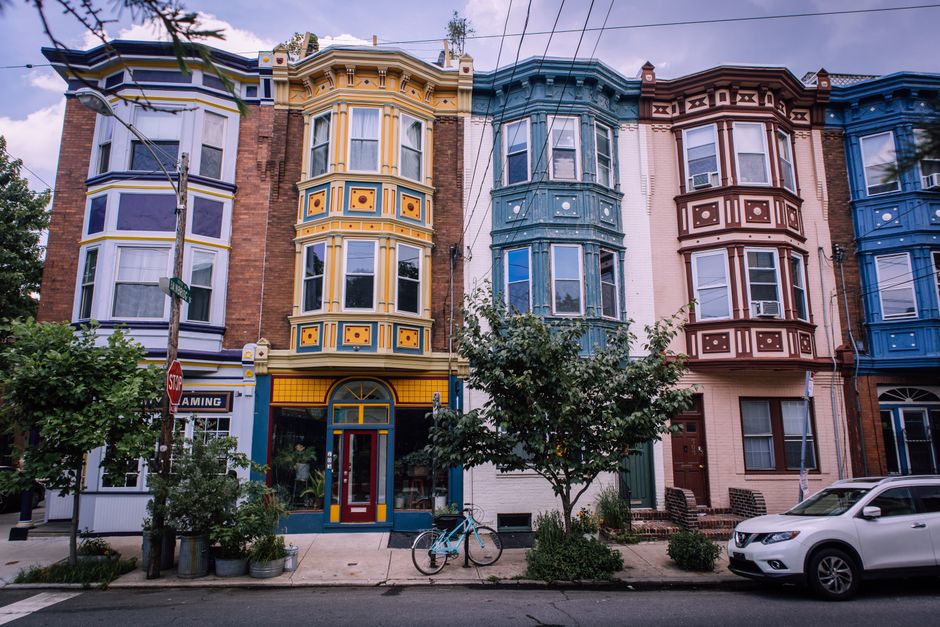
This week, the DC Zoning Commission approved a new mixed-use development project in the Anacostia neighborhood, which will bring 200 new residential units and 10,000 square feet of retail space to the area. The project, located at the intersection of Martin Luther King Jr. Avenue and Good Hope Road, is expected to break ground in early 2027.
The latest developments in DC's gentrification debate matter now because they are happening at a time when the city is experiencing a significant increase in housing costs and a decline in affordable housing options. According to data from the DC Housing Finance Agency, the average sales price of a home in DC has increased by 15% over the past year, to $640,000. This surge in housing costs is pricing out long-time residents and small businesses, leading to concerns over the loss of community character and the displacement of low-income and minority communities.
In Anacostia, the new development project is just one of several that are transforming the neighborhood. The Anacostia Arts Center, located on Good Hope Road, has seen a significant increase in foot traffic and new businesses in the area, including the popular cafe, The Village Cafe, on 14th Street. However, some residents are concerned that the influx of new developments and businesses will lead to higher rents and displacement of long-time residents. In NoMa, the situation is similar, with new developments like the mixed-use project at 1005 First Street NE, which will bring 400 new residential units and 20,000 square feet of retail space to the area.
According to a report by the Urban Institute, the number of low-income households in DC has decreased by 10% over the past five years, while the number of high-income households has increased by 20%. The report also found that the median rent in DC has increased by 25% over the past five years, to $2,300 per month. In Anacostia, the median rent has increased by 30% over the past two years, to $1,800 per month. These statistics highlight the need for affordable housing options and community-led development initiatives that prioritize the needs of long-time residents and small businesses.
In response to these concerns, the DC government has launched several initiatives aimed at preserving affordable housing and supporting small businesses. The DC Housing Preservation Fund, established in 2020, provides funding for affordable housing projects and community land trusts. The fund has already supported several projects in Anacostia and NoMa, including the redevelopment of the historic Anacostia theater on Martin Luther King Jr. Avenue. Additionally, the DC Department of Small and Local Business Development has launched a new program to support small businesses in gentrifying neighborhoods, including a $1 million grant fund for businesses in Anacostia and NoMa.
As the gentrification debate continues to unfold in DC, residents and community leaders are urging the city government to prioritize affordable housing and community-led development initiatives. With the surge in new developments and rising costs, it is essential that the city takes a proactive approach to preserving the character and affordability of neighborhoods like Anacostia and NoMa. Residents can get involved by attending community meetings and participating in the city's planning and development processes. By working together, DC can ensure that its neighborhoods remain vibrant, diverse, and affordable for all residents.
How does this story make you feel?
Spread the word
About this article
Published by The Daily Washington DC
Daily brief
Free, in your inbox before 7am. Weekdays.
More in News


