news
Federal Workforce Cuts Reshape Washington DC's Economy and Services
A detailed look at statistics revealing the scale and impact of federal workforce cuts on Washington DC’s neighborhoods, economy, and city services.
How we reported this
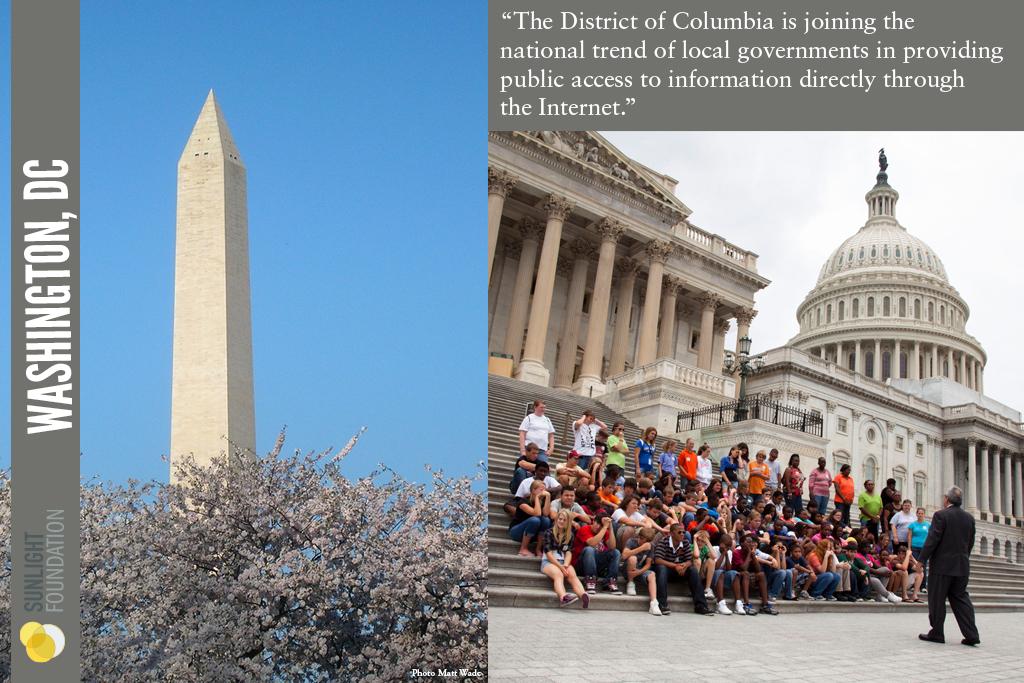
The Trump administration’s ongoing federal workforce restructuring has resulted in a 12 percent reduction in the region's federal government employees over the past year, significantly impacting Washington DC’s local economy and urban fabric.
These cuts come amid broader federal efficiency drives under the Department of Government Efficiency (DOGE), which are reshaping the capital’s public sector employment landscape. Given that nearly 30 percent of the city’s workforce is employed by the federal government, the ripple effects extend far beyond government corridors, threatening local businesses, housing markets, and city revenue streams.
Impact on Neighborhoods and City Services
In neighborhoods such as Anacostia and NoMa, where federal workers represent a substantial portion of local residents and clients of small businesses, the decline in federal employment is palpable. Anacostia, traditionally a working-class area, has seen a 5.6 percent dip in retail sales over the past six months, correlating with lower disposable income among households connected to government jobs. Meanwhile, NoMa-which has experienced rapid gentrification-faces rising vacancies in apartment complexes managed by Solaire Property Group, which reports a 7 percent increase in unfilled units since the start of 2026.
Local government agencies, including DC’s Department of Public Works, have also raised concerns over potential budget shortfalls stemming from reduced business activity linked to federal employees. This threatens timely maintenance of critical infrastructure on busy corridors like Bladensburg Road and H Street NE.
Numbers Reflect a City Adjusting
According to the latest data from the Office of Personnel Management, the federal workforce stationed in the National Capital Region fell from roughly 300,000 in July 2025 to approximately 264,000 as of June 2026. In parallel, local retail sales reports indicate a $45 million contraction in consumer spending linked to federal employees’ reduced income and spending power.
The city’s budget projections released in late June suggest a potential $22 million shortfall in tax revenues attributed to decreased payroll and sales taxes tied to the federal government sectors. This shortfall coincides with a planned 10 percent cut in funding for neighborhood improvement grants, a key program helping communities in Wards 7 and 8 combat the growing effects of gentrification and economic displacement.
The Department of Housing and Community Development also reports a spike in housing insecurity among federal contract workers, with eviction filings in the H Street corridor increasing by 15 percent since January 2026.
Public transit usage along the Metro’s Green and Yellow Lines has declined by 8 percent, according to WMATA figures, paralleling reductions in federal employee commutes and worsening the financial viability of transit operations.
Looking Ahead: What Residents Can Expect
With the restructuring process expected to continue through at least the end of 2026, local community leaders and organizations like aWashington’s DC Chamber of Commerce are calling for increased collaboration with the federal government to cushion economic shocks. Residents are advised to stay informed about available support programs, such as the DC Small Business Support Initiative, which has recently expanded grants for businesses affected by federal workforce reductions in neighborhoods like NoMa.
Moreover, city officials recommend federal workers and contractors facing job uncertainty explore retraining programs offered through the DC Office of Workforce Development located on New York Avenue NE.
The evolving economic landscape underscores the urgent need for diversification beyond federal employment to stabilize neighborhoods and maintain critical city services as Washington DC navigates this period of contraction and transition.