news
Federal Workforce Cuts Reshape Washington DC This Week
Key shifts in federal workforce restructuring, budget cuts, and local tensions shape DC's landscape this week.
How we reported this
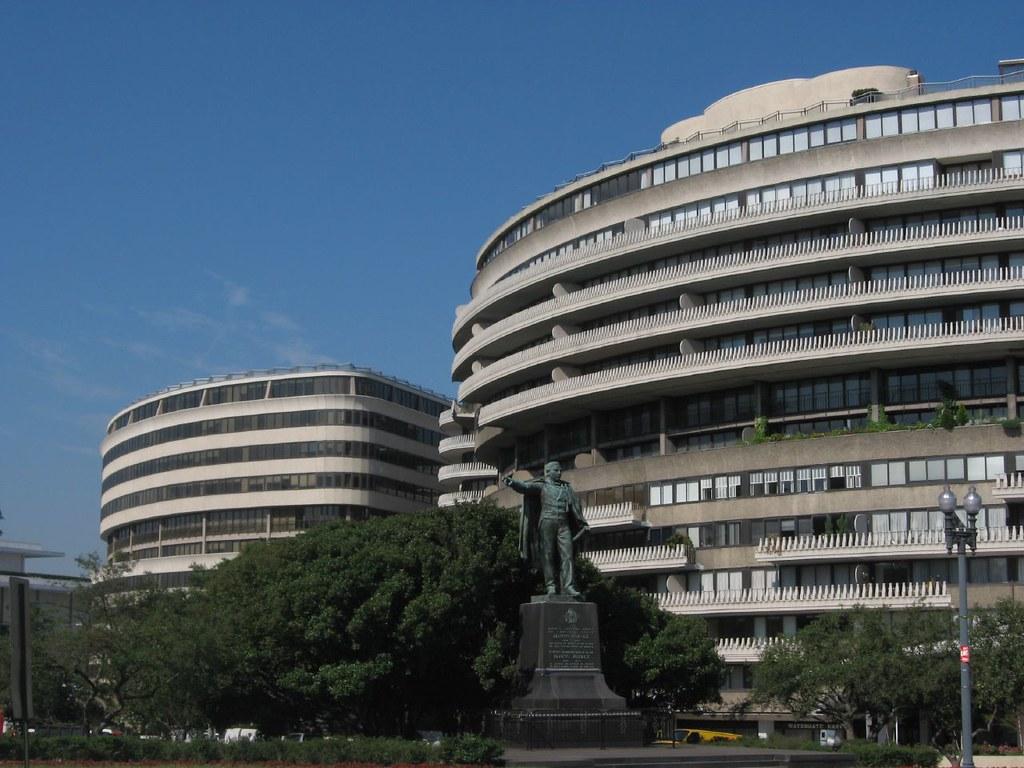
Washington DC witnessed significant developments this week as the Trump administration's ongoing federal workforce restructuring and Department of Government Efficiency (DOGE) budget cuts continued to affect city operations and local communities. Meanwhile, Mayor Muriel Bowser’s administration grappled with federal funding uncertainties amid rising tensions between city and federal authorities.
This moment is critical because the federal government remains the largest employer in DC, and any shifts there ripple through the city’s economy and public services. Coupled with strained relations between a predominantly Democratic city government and the Republican-led federal administration, the changes have intensified concerns about service delivery, job security, and neighborhood stability, particularly in gentrifying areas.
Federal Restructuring Tightens Grip on DC
Over the past week, the Office of Management and Budget revealed plans to finalize staff reductions for several federal agencies headquartered in the National Mall and NoMa areas. Among those hit hardest is the Environmental Protection Agency (EPA) located on Constitution Avenue, which will implement a 12% staff cut by August 1. This downsizing threatens to curb local research grants and partnership programs with DC universities, including Howard University on Georgia Avenue.
Additionally, DOGE’s announced efficiency reforms have trimmed contracts with local vendors, affecting business along H Street NE’s corridor, a key commercial and cultural artery. Small enterprises report a 15% decline in city service procurement over the past quarter, curbing revenue in neighborhoods depending heavily on federal contracting dollars.
Data Reveals Growing Economic Strains and Neighborhood Shifts
According to the latest report from the DC Department of Employment Services, federal employment in the city dropped by 3,400 jobs in the last six months, representing a 4.5% decline. The direct impact is felt especially in wards 6 and 7, which include parts of NoMa and Anacostia. Here, average monthly rent increased by 6% year-over-year in June, according to real estate analytics firm Real Capital Metrics, pushing median rent above $1,800 in these areas.
Meanwhile, the city’s budget office flagged a looming $150 million shortfall linked to uncertainties in federal funding, with ripple effects on public schools and health programs. This financial pressure compounds the existing challenges in balancing gentrification pressures with affordable housing initiatives, a critical issue on Kenilworth Avenue and Elmira Street where new developments have accelerated displacement fears.
Mayor Bowser’s administration has launched targeted outreach through the newly established DC Resiliency Fund, aiming to support small businesses and vulnerable residents affected by these federal shifts. The program, based out of the Anacostia Community Center, intends to distribute $25 million in grants and loans over the next six months to offset emerging hardships.
Looking ahead, DC residents and stakeholders should prepare for a likely continuation of federal cutbacks through the rest of 2026. Local political leaders are actively lobbying Congress for restoration of funding streams, but in the meantime, community organizations recommend early engagement with city assistance programs. Residents in impacted neighborhoods are encouraged to attend upcoming public forums hosted by Ward 7 Councilmember Jeremiah Lowery, slated for late July at the Deanwood Recreation Center, to discuss how best to navigate these changes.
Businesses on H Street NE and nonprofit groups across the city are also advised to monitor DOGE announcements closely and seek technical assistance through the DC Small Business Resource Center on K Street NW to adapt to shifting procurement landscapes.