news
Federal Workforce Cuts Force DC Leaders to Reshape Local Economy Strategy
The Trump administration’s restructuring of federal jobs and agency budgets forces Washington DC leaders to chart a path amid funding uncertainty and community pressure.
How we reported this
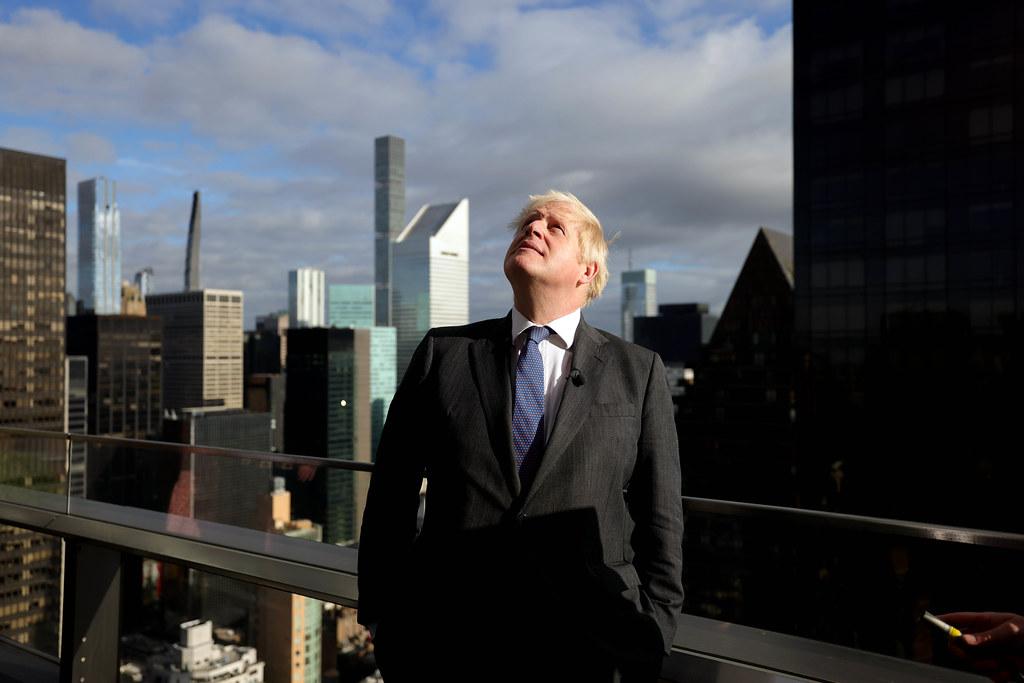
The ongoing wave of federal workforce reductions under the Trump administration is set to reshape Washington DC’s economy and public services, with city officials and local organizations bracing for significant budget and demand shifts. The key decisions in the coming months will determine whether the district can offset federal job losses while maintaining essential programs for residents.
This issue matters now because Washington DC’s economy remains deeply intertwined with the federal government, which employs roughly 300,000 people in the metropolitan area. As the administration targets efficiency cuts and agency consolidations, the expected job contractions and reduced contracting dollars threaten to weaken the city’s economic foundation. This could complicate Mayor Muriel Bowser’s efforts to stimulate growth in neighborhoods like Anacostia and NoMa, which are already grappling with gentrification and displacement concerns.
Local Challenges Meet Federal Realities
The District Department of Employment Services (DOES) recently reported a 5.2% increase in unemployment claims in the last quarter, coinciding with the Department of Homeland Security’s announced cuts to their workforce on New York Avenue. The decline is pronounced in the Old Post Office neighborhood, where government contractors are beginning to reduce staff. Meanwhile, social service programs run by the DC Department of Human Services, particularly the local Tenant-Based Rental Assistance (TBRA) program, face added pressure as more families seek help amid growing financial insecurity.
Economic ripple effects are also being felt in the hospitality sector around Union Station, an area dependent on federal employees and associated visitors. Local business groups such as the DC Chamber of Commerce have signaled concern that reductions in agency budgets will translate into fewer downtown jobs and less discretionary spending. With the NOMA-Gallaudet Metro station area having recently attracted new commercial development worth $150 million in the last two years, executives highlight the risk of stalling these investments if federal presence diminishes.
Decisions Ahead: Budget, Development, and Community Stability
According to the DC Office of Budget and Planning, the city faces a potential shortfall exceeding $75 million if federal aid freezes or federal workers relocate outside the capital. This figure comes on top of the $220 million in efficiency cuts projected at the federal level this fiscal year. Decisions around how to reallocate local funds, adjust social services, or incentivize private sector job creation will be crucial.
Leading up to the DC Council’s budget hearings this fall, Mayor Bowser’s administration is expected to propose expanded investments in workforce retraining programs, particularly targeting sectors like technology and green energy that could absorb displaced federal workers. However, these plans will compete against increasing calls from community activists for more affordable housing measures-especially in wards 7 and 8, where displacement rates near the Anacostia Waterfront have reached 8% annually.
For residents and workers, the next steps mean staying informed about changes to federal agency staffing and grant programs affecting local nonprofits. The DC government advises those impacted by employment cuts to utilize services offered at centers such as the Reeves Center on 14th Street NW, which now includes expanded job placement and counseling hours.
Ultimately, balancing the economic aftershocks of federal downsizing with community stability will demand coordinated action from federal stakeholders, city leaders, and local institutions. The decisions taken over the coming months will shape the capital’s resilience and its capacity to sustain vital public services in a time of uncertainty.