news
Washington DC Responds to Federal Workforce Shifts in Ways That Diverge From Other Global Capitals
Local officials in the District manage restructuring pressures through neighborhood-level adjustments that differ from approaches seen in peer cities abroad.
How we reported this
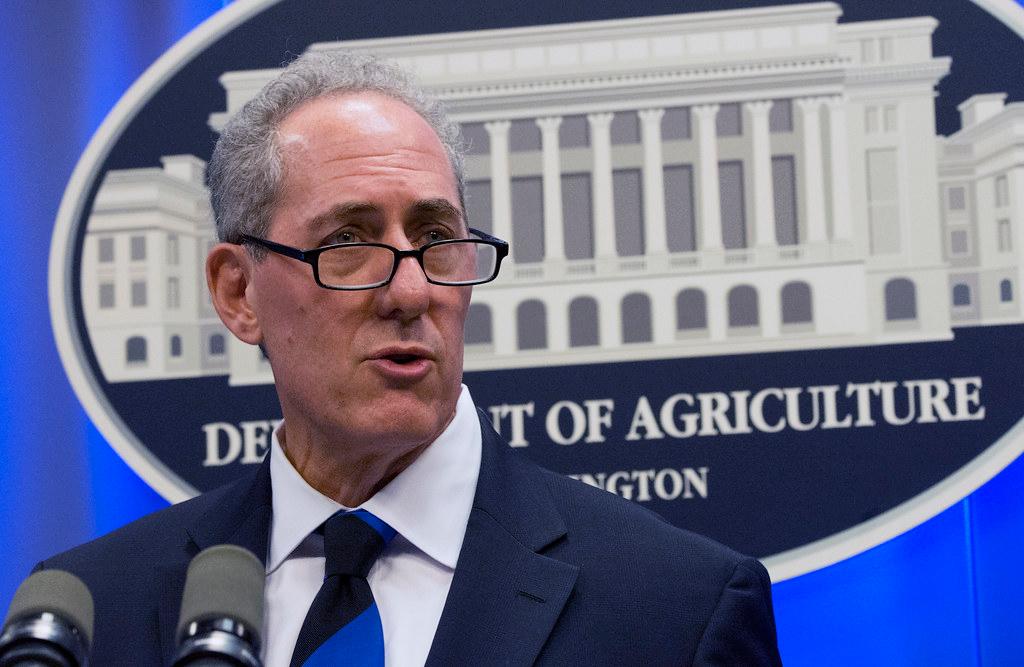
Federal workforce changes under the Trump administration have prompted Washington DC to adjust hiring and spending patterns in ways that set it apart from capitals facing parallel government efficiency drives.
Local Pressures Shape Daily Operations
Muriel Bowser’s administration has directed attention toward areas experiencing federal funding uncertainty, including parts of NoMa where commercial activity ties closely to government contracts. Residents and small businesses there report slower foot traffic as agencies consolidate roles, a pattern that echoes but does not match the pace seen in other national seats dealing with comparable budget reviews. The tension between the local Democrat-led government and federal directives adds another layer, with city agencies absorbing some service gaps without new appropriations.
Qualitative accounts from Anacostia show similar ripple effects, where long-planned community projects now compete for scarcer local dollars after efficiency measures took hold. These adjustments occur against a backdrop of gentrification already underway in both neighborhoods, leaving officials to balance preservation of existing residents with incoming economic activity tied to remaining federal presence.
Global Comparisons Highlight Different Tools
Other capitals navigating large-scale public-sector reductions have leaned on centralized relocation programs or accelerated private-sector partnerships, steps that Washington DC has approached more incrementally through existing city channels. The absence of sudden large-scale layoffs in the District’s own payroll has allowed a steadier, if uneven, absorption of displaced workers into local services, unlike the sharper transitions reported in some European and Asian administrative centers. This measured pace reflects the unique overlap of federal and municipal responsibilities that few other cities share.
Practical next steps for District residents include monitoring announcements from the mayor’s office on workforce retraining funds already allocated and checking with neighborhood associations in NoMa and Anacostia for updates on small-business support. City agencies continue to publish routine guidance on permitting and contracting as the restructuring unfolds.