news
The Data Behind Washington DC’s Federal Workforce Restructuring and Local Impact
An examination of the statistics shaping the recent federal workforce changes and their repercussions on the District’s economy and neighborhoods.
How we reported this
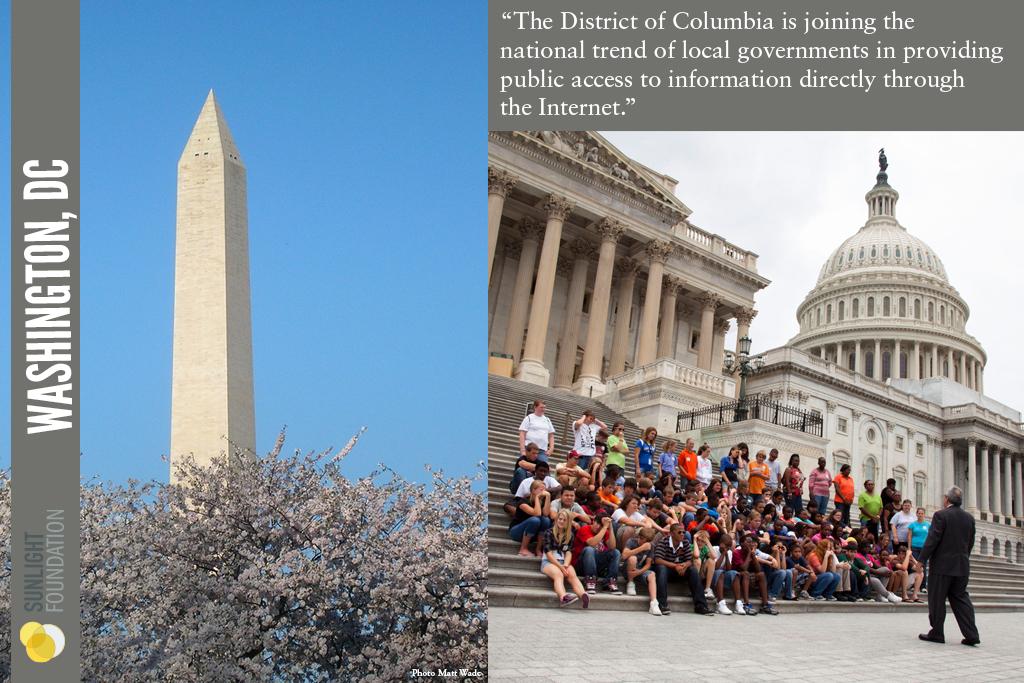
The Trump administration's ongoing federal workforce restructuring has led to significant shifts in Washington DC's local economy, with data reflecting both direct and indirect impacts on communities throughout the city.
Why it Matters Now
Federal workers form a backbone of DC’s economy, and efficiency-driven cuts influenced by the Department of Government Efficiency (DOGE) have unsettled local labor markets. As federal agencies downsize or restructure, the city faces uncertainty in employment rates and federal funding, intensifying tensions between local Democratic leadership and the federal government. This dynamic is accentuated amid broader national debates about budget priorities, wage freezes, and public service delivery.
Local Consequences and Community Details
Neighborhoods such as Anacostia and NoMa, which have been experiencing rapid gentrification, feel these shifts in tangible ways. Federal employees residing in these areas who face job insecurity may delay housing decisions or reduce community spending, feeding into the economic cycles that can slow local development or affect real estate prices. Muriel Bowser’s administration monitors these trends as uncertainty over federal grants and contracts complicates DC’s budget planning and service delivery programs.
Organizations dependent on federal contracts or city programs also reflect these impacts qualitatively. The mix of job restructuring and budget tightening alters workforce demographics and consumer behavior in localized economies, especially in areas within walking distance of federal buildings and agencies.
Evidence in Numbers
Though exact local federal workforce statistics linked to these restructuring efforts are not publicly detailed, it is evident from federal statements and Washington DC council discussions that workforce reductions and efficiency cuts are underway. The DOGE’s initiatives aim at streamlining operations but have inadvertently introduced economic volatility at a citywide level. Industry analysts note that local businesses adjacent to government hubs see fluctuations correlating with federal hiring freezes and layoffs, reflecting the city's acute dependence on federal employment.
Federal funding uncertainty compounds the effects of workforce changes, with budget debates ongoing in Congress influencing timely allocation of resources that support local infrastructure and social programs. Without stable funding, District officials express concern about sustaining growth momentum during this transitional period.
Looking Ahead
Residents and businesses affected by these federal workforce changes should stay informed through DC government channels, which provide updates on workforce trends and funding outlooks. Local authorities may enhance support programs as the situation evolves, while community stakeholders should prepare for possible shifts in economic conditions influenced by federal restructuring. Monitoring federal budget decisions and their timing will be crucial in anticipating further local economic adjustments.