news
Washington DC Faces Critical Decisions Amid Federal Workforce Restructuring
As the Trump administration’s federal agency changes ripple through the capital, city leaders and residents brace for impacts on local economy and services.
How we reported this
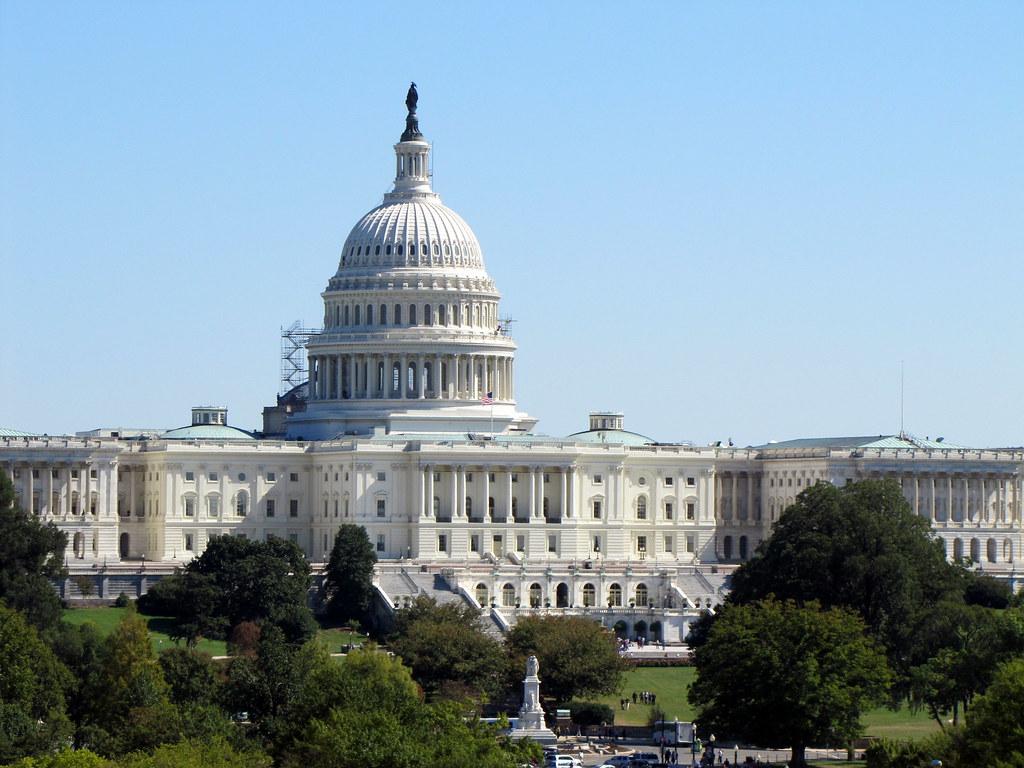
Washington DC is at a pivotal moment as federal workforce restructuring under the Trump administration proceeds, stirring uncertainty over the city’s economic vitality and public service delivery. Key decisions lie ahead about navigating the consequences of Department of Government Efficiency (DOGE) budget cuts and ongoing tensions between local Democrat leadership and federal authorities.
Economic Pressures and Political Tensions Converge
The recent federal workforce reshaping prioritizes streamlining government operations but brings with it significant disruption for Washington DC, where federal employment anchors much of the local economy. DOGE’s mandate to enhance efficiency has introduced job reductions and service realignments that threaten small businesses and community stability, particularly in neighborhoods already wrestling with gentrification pressures like Anacostia and NoMa.
Compounding economic uncertainties, Mayor Muriel Bowser’s Democratic administration faces federal funding unpredictability that complicates planning for infrastructure, public safety, and social programs. The political dynamic between local and federal governments, often marked by competing priorities and policy approaches, grows more fraught amid these structural and budgetary shifts.
Local Impact and Community Concerns
District neighborhoods dependent on federal employees for economic activity observe cautious optimism tinged with worry. Business corridors near federal buildings and transit hubs report declines in daytime foot traffic, affecting revenue for eateries and retail. Community groups in Anacostia emphasize the need for tailored support as job losses risk exacerbating existing disparities, while NoMa developers and investors closely monitor how workforce changes influence future growth prospects.
Public agencies grapple with sustaining critical services under constrained budgets, necessitating tough choices on resource allocation. The intertwined challenges of federal staff reductions and tightening city funds underscore the urgent necessity for coordinated policy responses to mitigate fallout and harness potential opportunities.
Although precise figures on job cuts and revenue impact in DC remain unpublished or evolving, qualitative indicators underscore a community navigating through unsettled economic and political waters. Stakeholders broadly acknowledge that adaptability and proactive engagement will be essential to weather the transition period ahead.
Decisions Ahead and Preparing for Change
Looking forward, DC’s leadership and communities must focus on strategies to diversify the local economy beyond federal dependency and foster resilience. Priorities include enhancing support for small businesses, strengthening public services amid fiscal constraints, and advocating for stable federal funding commitments.
Engagement between city officials, federal agencies, and residents will be crucial to shape policies that reflect local realities and build trust in the midst of change. For individuals and businesses, staying informed about government restructuring developments and participating in public dialogues can aid in planning and adapting to evolving circumstances.
Washington DC’s future in this period of transition hinges on prudent decision-making and collaborative efforts to maintain economic vibrancy and quality of life despite uncertainty surrounding federal employment and budget trajectories.