Politics
DC Council Passes Housing Rules and Budget Amendments: 18-Month Implementation Timeline
From rent stabilization updates to transportation funding, the Council's July votes carry concrete deadlines that will reach Washington DC households at different points over the next 18 months.
How we reported this
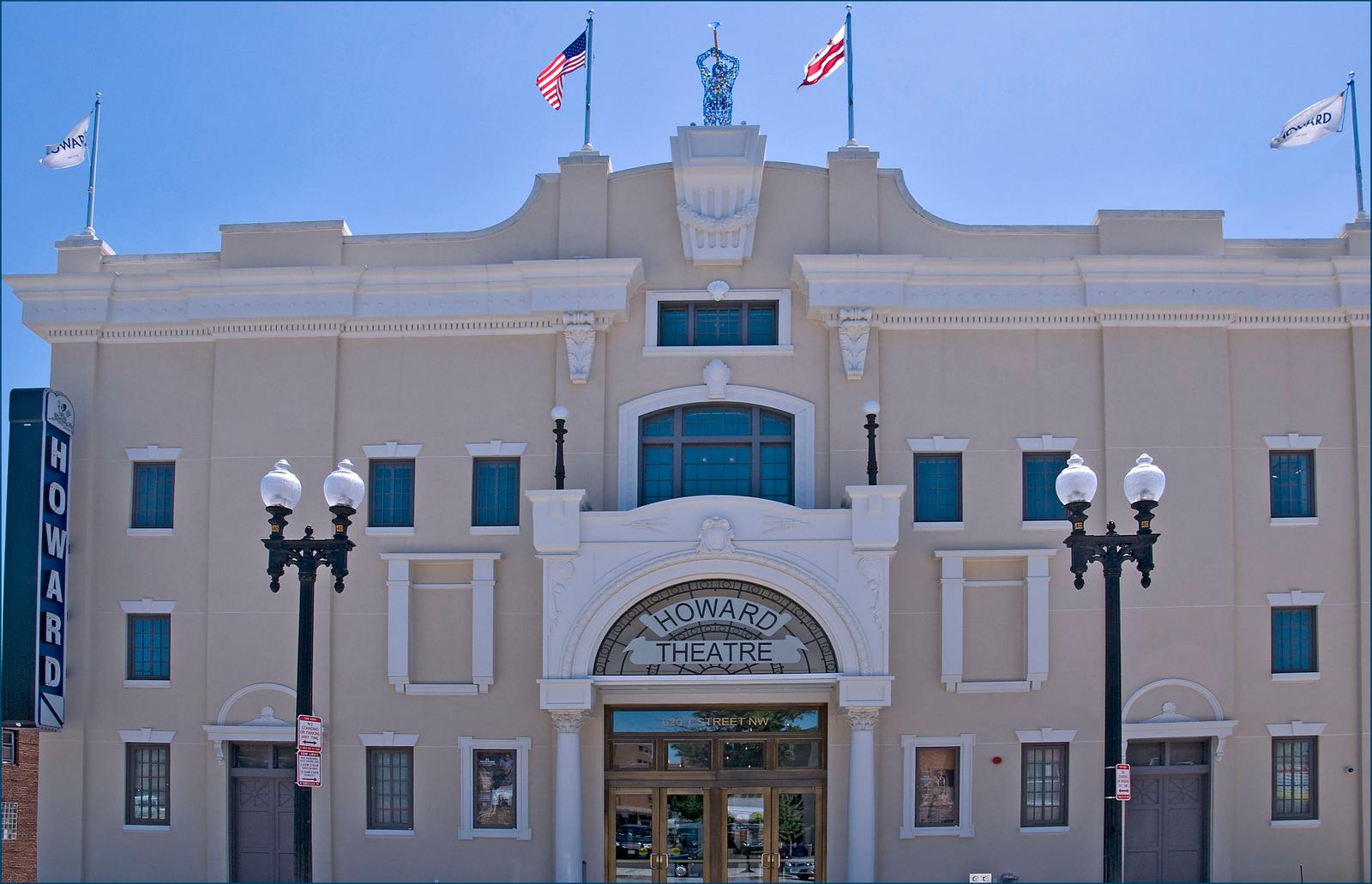
The DC Council wrapped its July 1 legislative session with a series of budget modifications and regulatory votes that touch everything from tenant protections to school maintenance funding. The measures, passed ahead of the October 1 start of the District's fiscal year 2027 budget cycle, set in motion a staggered rollout, meaning some residents will notice changes this fall while others wait until late 2027. The Council's Budget and Finance Division confirmed the amendments adjust roughly $340 million in previously appropriated funds across five agency budgets.
The timing matters because DC faces a structural budget gap that the Office of the Chief Financial Officer projected at approximately $700 million over four fiscal years in its most recent revenue forecast. That shortfall is forcing the Council to sequence spending commitments rather than implement everything at once, which is why advocates for housing, transit, and public schools are watching the calendar as closely as the dollar figures.
What Changes and When
The most immediate shift for residents comes on October 1, when the Council's amendment to the Rental Housing Act takes effect. The vote tightened the exemption threshold for rent stabilization, bringing buildings constructed before 1978 with six or more units more firmly under the Rent Control Housing Commission's jurisdiction. Housing advocates note that roughly 75,000 rental units in the District fall into rent-stabilized categories under existing law, and the new amendment is expected to reduce the number of landlords claiming administrative exemptions that had allowed above-guideline increases. Tenants in Columbia Heights, Petworth, and parts of Ward 5 are most likely to feel this shift first, given the concentration of pre-1978 apartment stock in those neighborhoods.
School infrastructure funding moves on a slower track. The Council approved a $47 million transfer into the Department of General Services capital account specifically for HVAC and roofing repairs at 14 public school buildings, the majority of which the DC Office of Public Education Facilities Management had flagged as priority projects. Construction procurement is expected to begin by January 2027, with work projected to be complete before the 2027-2028 school year. Parents at Coolidge High School in Ward 4 and Anacostia High School in Ward 8, both on the priority list, have been waiting for mechanical system upgrades for several years.
Transportation Funding and the Metro Question
Transit riders face a more complicated picture. The Council restored $28 million in operating support for the Washington Metropolitan Area Transit Authority that had been flagged for deferral during spring budget negotiations. WMATA's approved operating budget for fiscal year 2027 relies on that DC contribution remaining intact, and the agency had warned that without it, frequency reductions on bus lines serving Wards 7 and 8, including the 96 and W4 routes, would be on the table as early as next January. The restored funds are expected to keep current service levels through at least September 2027, when WMATA and its three jurisdictional partners are due to renegotiate the funding compact.
The Council also advanced a zoning text amendment on accessory dwelling units, or ADUs, that loosens lot-size minimums in single-family zones across much of Northwest and Northeast DC. The amendment, which goes to the Zoning Commission for a required public hearing before it can take legal effect, is not expected to be finalized until spring 2027 at the earliest. Local planning analysts say the rule, if approved as written, could add several thousand new ADU units to the housing stock over a five-year period, though actual construction depends on permitting capacity at the Department of Consumer and Regulatory Affairs.
Residents who want to track which measures apply to their address can consult the DC Council's legislative information system at lims.dccouncil.gov, where all July 1 amendments are now posted with effective-date annotations. The next full legislative session is scheduled for September 15, when the Council is expected to take up the final fiscal year 2027 budget resolution before the October 1 deadline.