New DC Inclusionary Zoning Rules Reshape Developer Calculus Along H Street Corridor
Stricter affordable housing mandates for new projects are already forcing builders to recalibrate—with ripple effects across the city's most coveted neighborhoods.
Stricter affordable housing mandates for new projects are already forcing builders to recalibrate—with ripple effects across the city's most coveted neighborhoods.
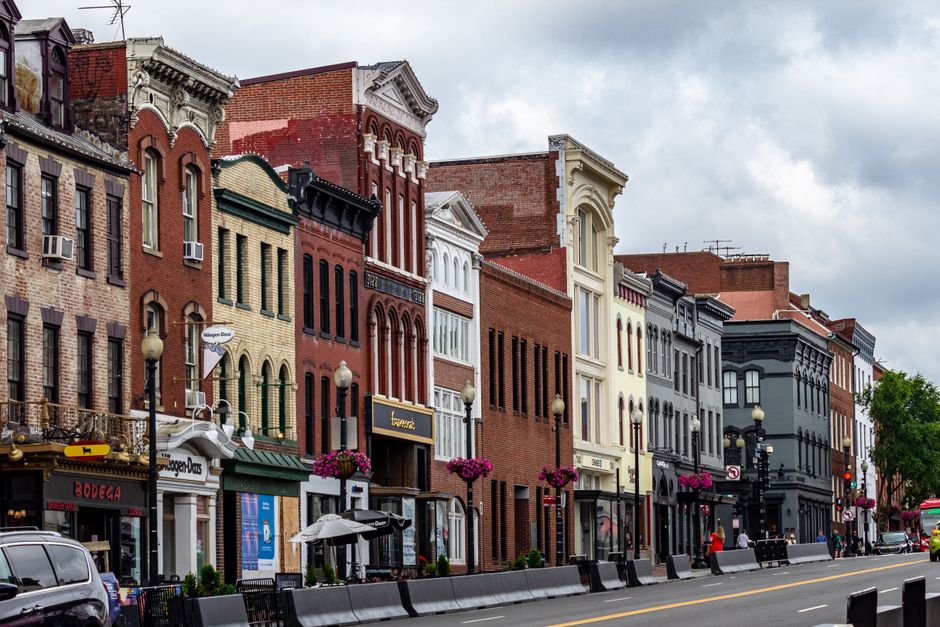
Washington DC's planning department quietly tightened inclusionary zoning requirements last month, raising the affordable unit threshold from 8 to 12 percent for projects in high-opportunity zones—a policy shift that has already begun reshaping development pipelines from H Street NE to the emerging Navy Yard waterfront.
The change, effective immediately for new applications, means developers seeking zoning variances on premium corridors must now dedicate substantially more square footage to households earning below 60 percent of area median income. With DC's median home price holding steady near $700,000, the policy targets a stark affordability crisis: fewer than 35 percent of renters in Northwest DC can afford market-rate apartments on their incomes.
The practical impact is measurable. A proposed 280-unit mixed-use development on H Street near Union Market—initially designed with 22 affordable units under the old formula—now requires 34. Developers estimate the shift adds $2.3 million to project costs, forcing difficult choices: scale back unit count, compress profit margins, or delay groundbreaking.
"This is a real test," says a spokesperson for the DC Housing Authority, noting that the policy aligns with Mayor's Office targets to produce 36,000 new affordable units by 2032. Capitol Hill and Georgetown, already commanding premiums where townhouses regularly exceed $1.2 million, face less pressure since luxury projects there were exempt. But surrounding neighborhoods—Bloomingdale, LeDroit Park, and the evolving H Street biotech corridor—bear the weight.
The Navy Yard area presents the sharpest case study. Three major projects in planning stages will now be forced into substantially revised financial models. A 420-unit residential tower near the Anacostia riverfront must now house 50 affordable units instead of 33, fundamentally altering the project's economics.
Not all stakeholders applaud. The Greater Washington Building Industry Association warned the change could chill development momentum in neighborhoods finally attracting investment after decades of underuse. Northern Virginia suburbs, particularly Arlington and Alexandria, remain attractive alternatives for builders seeking less restrictive zoning environments.
Housing advocates counter that DC's median rent—now $2,100 for one-bedroom apartments—demands aggressive intervention. The policy essentially forces a redistribution: developers profit on market-rate units while subsidizing permanently affordable housing in perpetuity, a tradeoff city planners view as essential public benefit.
Implementation challenges loom. Enforcement, funding gaps, and the mechanics of long-term affordability preservation will test the policy's durability. Still, for a city where the homeownership gap between white and Black residents exceeds 35 percentage points, these planning decisions carry weight well beyond spreadsheets.
This article was compiled by AI from the sources linked above and screened before publishing. See our editorial standards.
How does this story make you feel?
Spread the word
About this article
Published by The Daily Washington DC
Daily brief
Free, in your inbox before 7am. Weekdays.
More in Property