Beyond the Beltway: A First-Time Buyer's Guide to DC's Emerging Neighbourhoods
With Capitol Hill and Georgetown commanding premium prices, savvy newcomers are finding value—and potential—in H Street, Navy Yard, and Northern Virginia suburbs.
With Capitol Hill and Georgetown commanding premium prices, savvy newcomers are finding value—and potential—in H Street, Navy Yard, and Northern Virginia suburbs.

The Washington DC property market presents a paradox for first-time buyers: the city's median home price hovers around $700,000, yet neighbourhoods experiencing genuine transformation offer a foothold at significantly lower entry points. Understanding where to look requires strategy, patience, and a willingness to look beyond traditionally desirable zip codes.
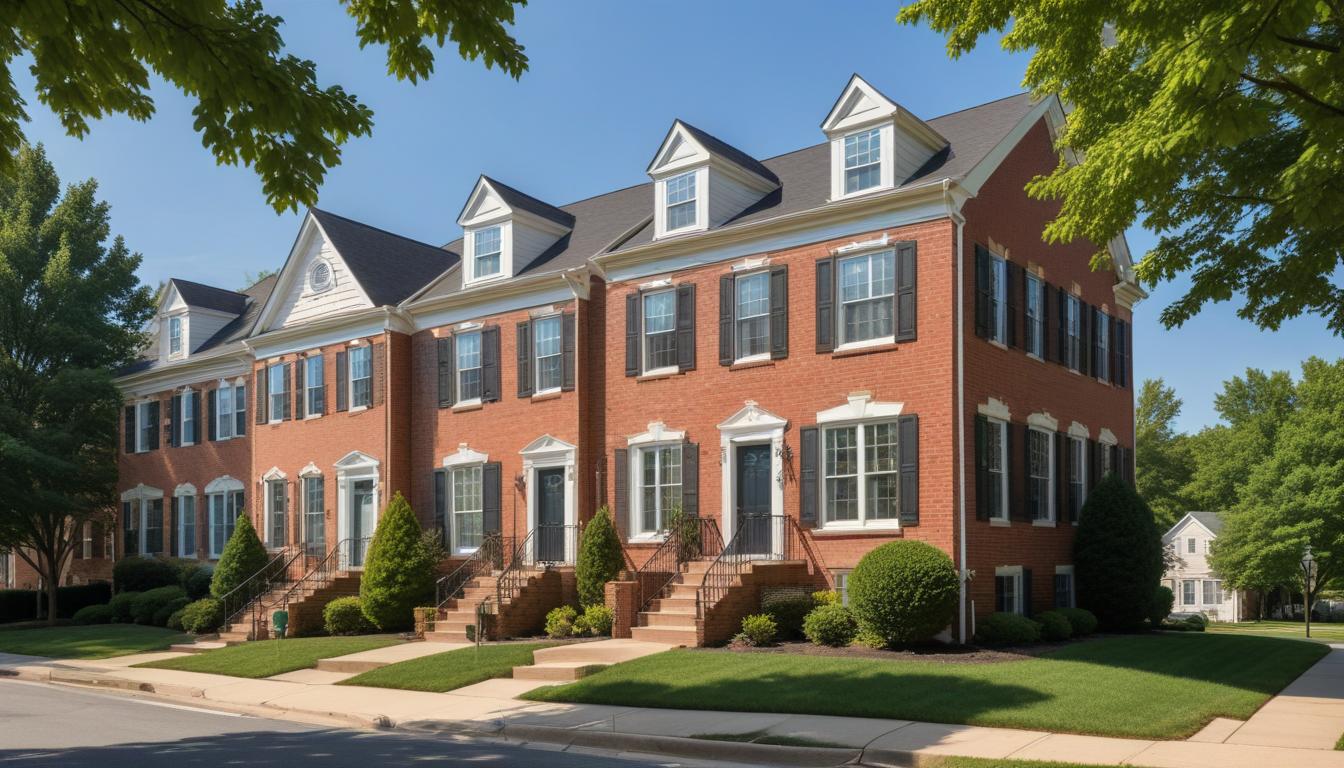
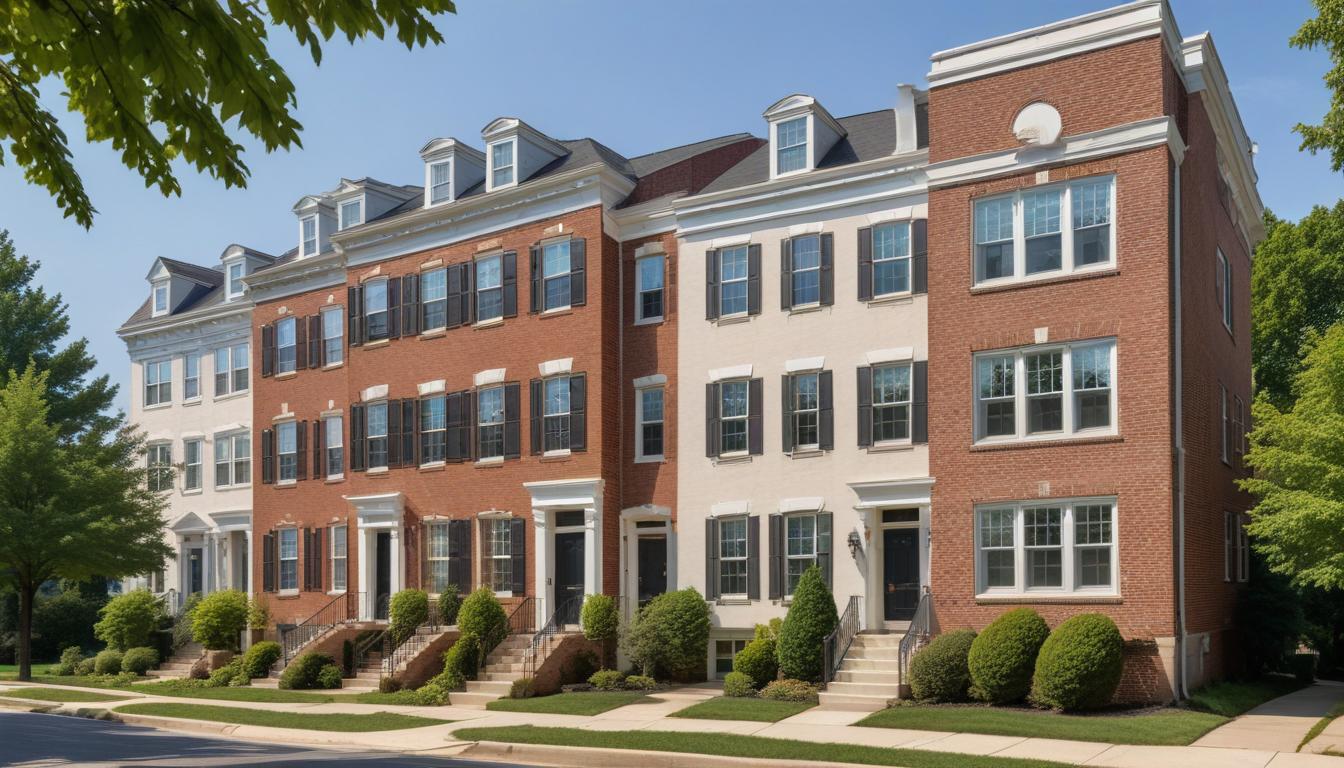
H Street NE remains the textbook case for forward-thinking investment. Once overlooked, this corridor has evolved dramatically over the past five years. The arrival of restaurants, independent retailers, and mixed-use developments along the street has attracted younger professionals seeking walkability without the Capitol Hill premium. Properties here typically range from $450,000 to $650,000 for modest rowhouses, compared to $1.2 million-plus just blocks away on Barracks Row. The neighbourhood's proximity to Union Station and the NoMa tech hub adds genuine appeal beyond speculation.
Navy Yard-Ballpark has followed a similar trajectory, bolstered by the Nationals Stadium anchor and ongoing waterfront revitalisation. First-time buyers can secure a one-bedroom condo for $400,000 to $500,000—substantially below the city average. The neighbourhood's infrastructure improvements, including the new streetcar network and parks along the Anacostia, suggest staying power rather than fleeting trends.
For those comfortable expanding their search, Northern Virginia suburbs offer the most accessible entry points. Arlington and Alexandria maintain strong fundamentals—good schools, Metro access, and established communities—while pricing averages $650,000 and $720,000 respectively. Neighbourhoods like Ballston in Arlington or Del Ray in Alexandria attract professionals seeking suburban stability without sacrificing urban connectivity.
The practical wisdom for first-time buyers centres on three pillars: infrastructure investment, demographic trends, and timeline patience. Neighbourhoods with planned Metro improvements, new office space, or university expansions tend to appreciate steadily. Similarly, areas attracting young professionals and families—rather than purely speculative investment—show resilience through market cycles.
First-time buyers should prioritise working with local agents familiar with micro-neighbourhood trends rather than relying solely on aggregate city data. Organisations like the DC Office of Planning's neighbourhood guides and local ANC (Advisory Neighbourhood Commission) meetings provide invaluable context about development pipelines and community priorities.
The DC market rewards research. Today's emerging neighbourhood—whether H Street's continued maturation or an upcoming Capitol Hill alternative—becomes tomorrow's established community. For first-time buyers willing to look beyond Georgetown's allure, that timeline starts now.
This article was compiled by AI from the sources linked above and screened before publishing. See our editorial standards.
How does this story make you feel?
Spread the word
About this article
Published by The Daily Washington DC
Daily brief
Free, in your inbox before 7am. Weekdays.
More in Property