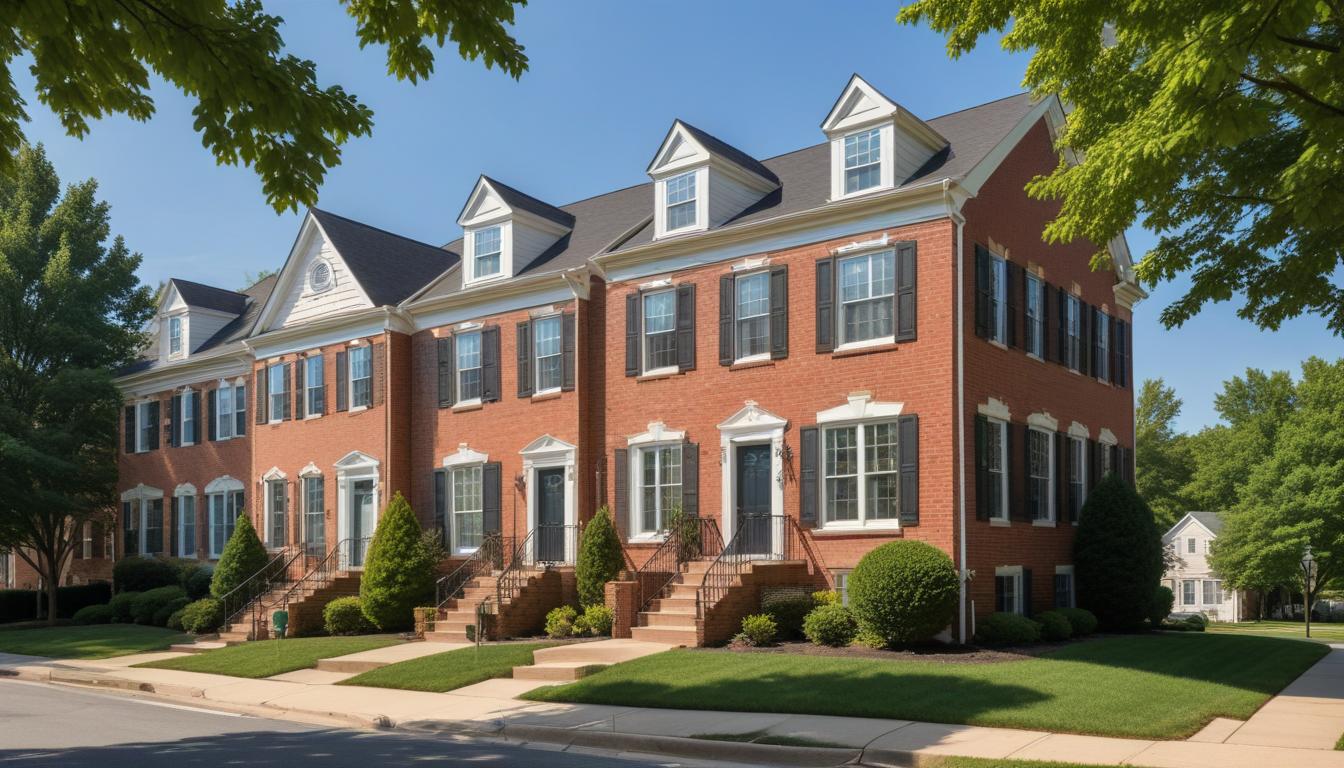
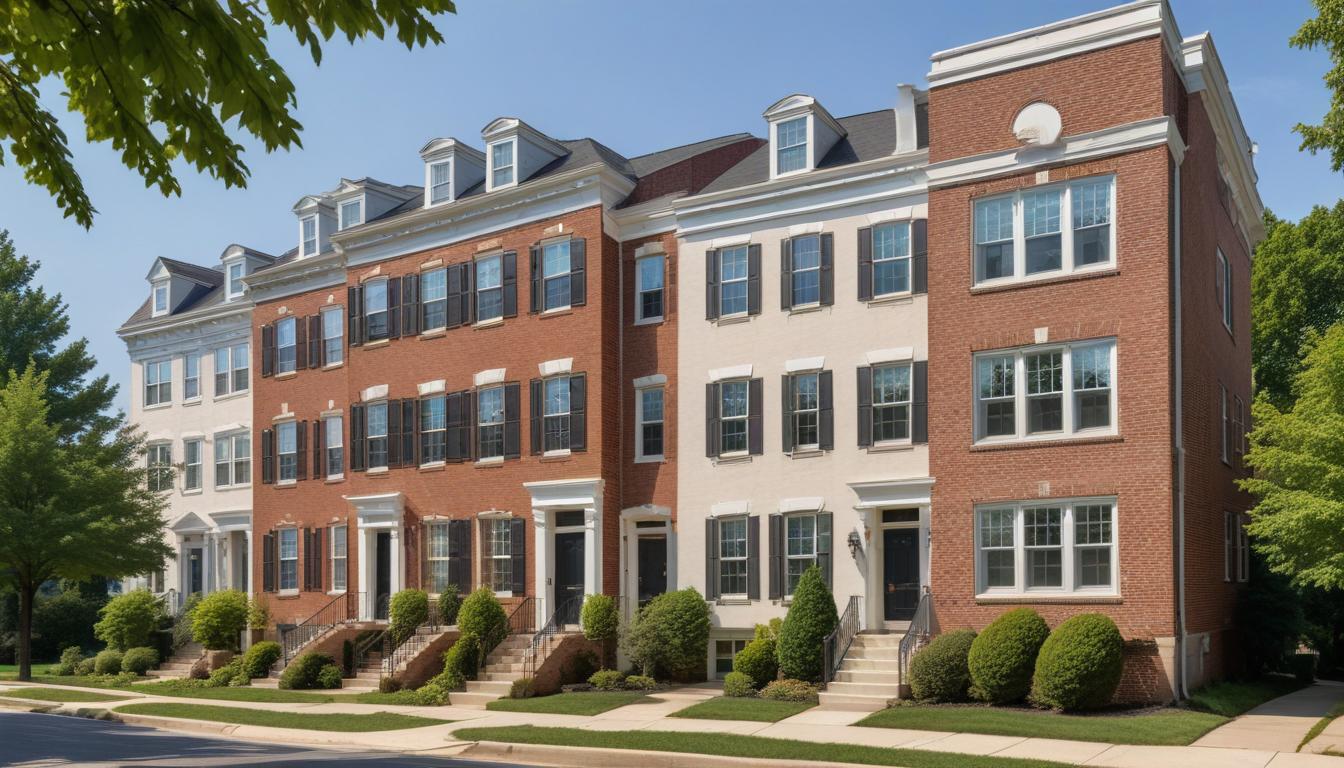
The conventional wisdom about Washington DC property investment has shifted dramatically. While Capitol Hill and Georgetown remain prestige addresses, they're increasingly yielding single-digit rental returns as purchase prices have climbed beyond $1.2m for modest townhouses. Smart investors are looking elsewhere—and the data confirms they're right.
H Street Northeast has emerged as the standout performer. Properties that traded for $400k–$500k five years ago now command $750k–$850k, representing roughly 12–14% annualised appreciation. More compelling: rental yields on modest two-bedroom units along the H Street corridor now hover between 4.5–5.2%, compared to 2.8–3.1% in Georgetown. The H Street Main Streets initiative, coupled with the burgeoning restaurant and retail scene around Gallows Park, continues to drive both owner-occupant and investor demand.
Navy Yard–Ballpark presents a similarly compelling case study. The neighbourhood's transformation since the ballpark opening has attracted mixed-use development along New York Avenue NE and M Street SE. Current median prices sit around $580k, a 35% increase since 2021, while rental demand remains robust among young professionals working downtown. Cap rates for rental properties currently sit at 4.8–5.5%—meaningful in an era of elevated borrowing costs.
Northern Virginia suburbs warrant equal attention. Arlington's Courthouse district and Alexandria's Del Ray neighbourhood offer lower entry points ($620k–$720k median) with comparable rental yields to Navy Yard. The proximity to Metro stations and ongoing commercial development along King Street and Wilson Boulevard continues to support both appreciation and tenant demand.
The data tells an important story about risk and reward distribution. Properties in established premium neighbourhoods appreciate slowly but reliably—typically 3–4% annually—with lower rental yields. Emerging areas like H Street and Navy Yard offer higher yields (5%+) but carry greater execution risk tied to neighbourhood trajectory.
For investors focused on cash flow, H Street's restaurant-anchored revival and Navy Yard's sports and entertainment anchor provide tangible demand drivers beyond pure speculation. The Wharf's success in Southwest DC has proved that waterfront transformation can sustain 15-year investment horizons. Similar infrastructure investment—the H Street streetcar, continued Navy Yard development—suggests current submarkets may be entering their appreciation sweet spot, where yields and capital gains align favourably.
The message is clear: DC investment returns increasingly depend on neighbourhood selectivity rather than broad-market positioning. Those tracking actual cap rates, rental absorption, and infrastructure investment are finding better risk-adjusted returns outside the traditional blue-chip addresses.
This article was compiled by AI from the sources linked above and screened before publishing. See our editorial standards.