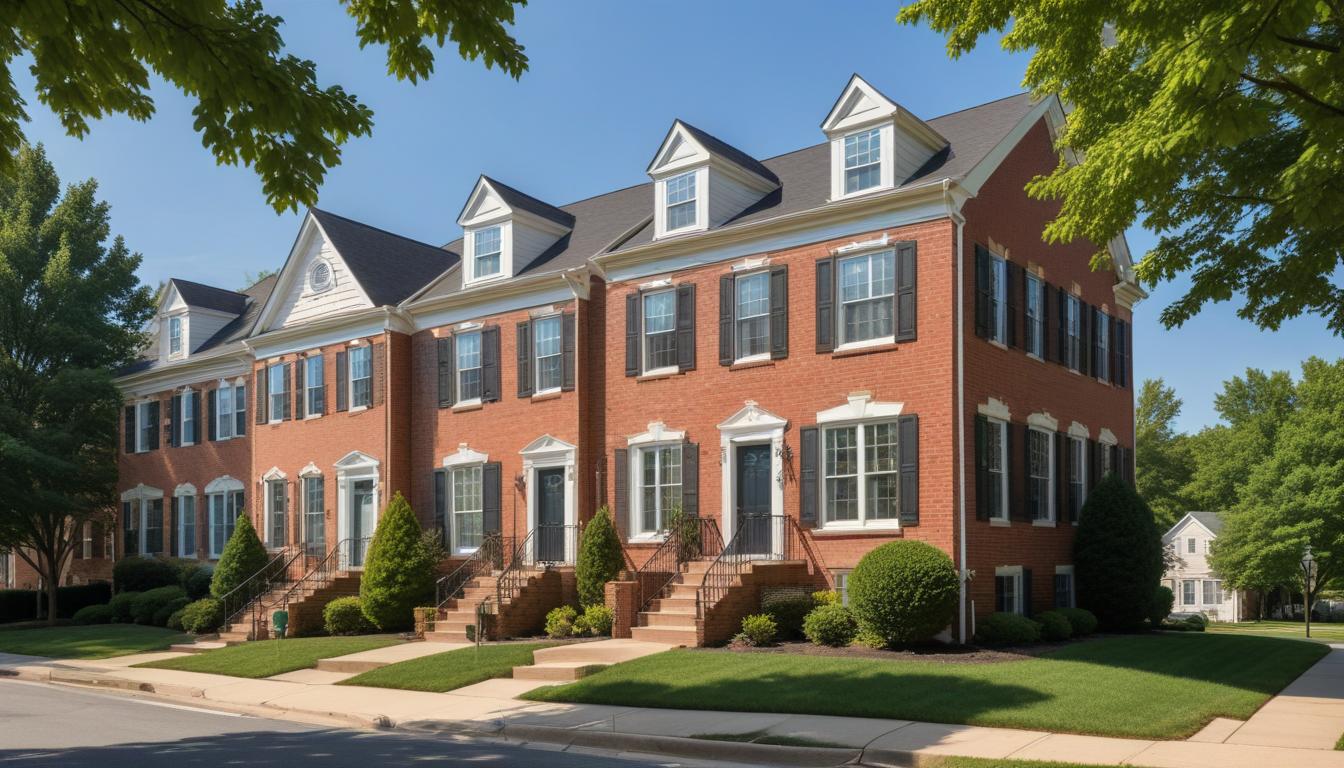
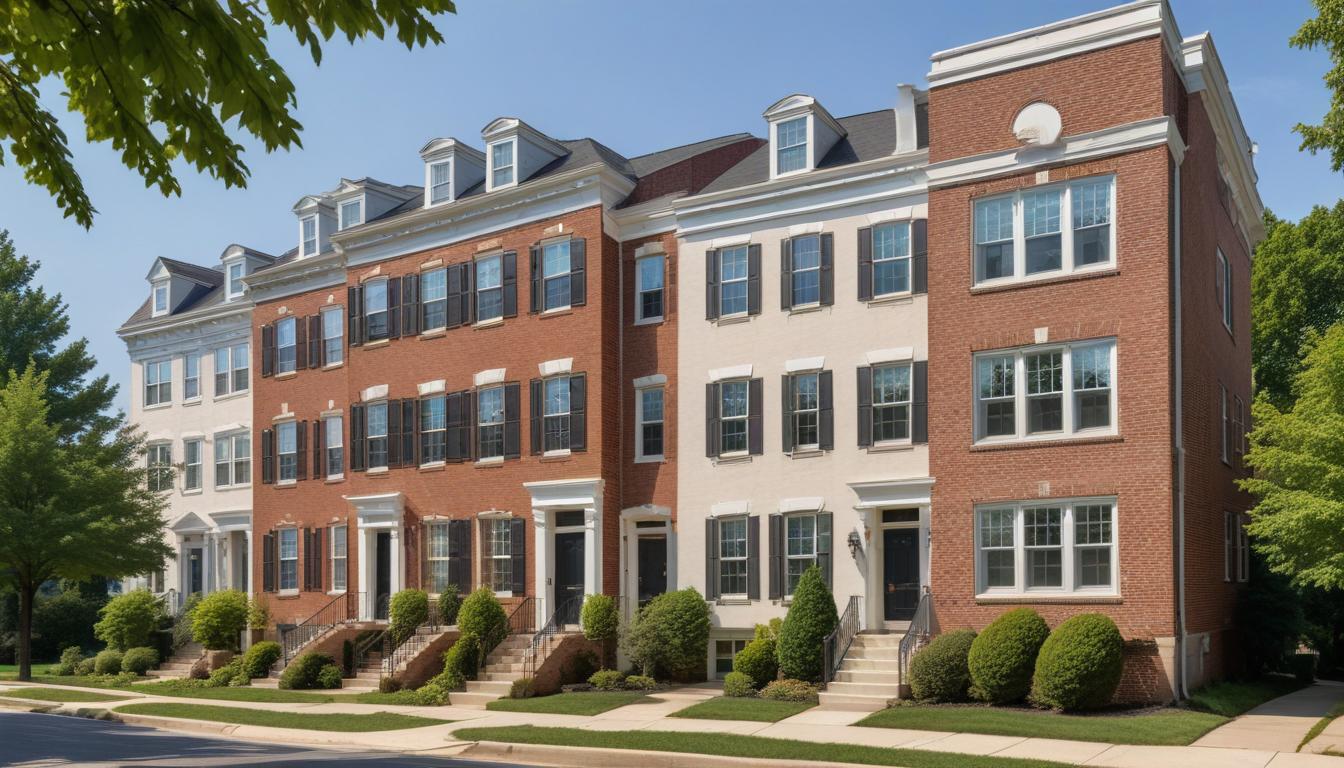
The Squeeze: How Soaring Rents Are Reshaping DC's Tenant-Landlord Divide
As DC's rental market tightens, landlords enjoy record returns while working tenants face impossible choices—and neither side sees relief ahead.
As DC's rental market tightens, landlords enjoy record returns while working tenants face impossible choices—and neither side sees relief ahead.

The numbers tell a stark story. A one-bedroom apartment in Capitol Hill now averages $2,100 monthly, while comparable units in Dupont Circle fetch $2,300. Tenants earning median DC salaries of roughly $85,000 are spending 33 percent or more of gross income on rent—well above the recommended 30 percent threshold. For service workers, adjuncts, and young professionals, the mathematics have become brutal.
Meanwhile, landlords report unprecedented occupancy rates. Property managers operating across H Street, Navy Yard, and the burgeoning Ivy City corridor cite lease-renewal rates above 95 percent and zero-day turnarounds between tenants. With demand outpacing supply, owners have shifted leverage decisively in their favor. Annual rent increases of 4 to 6 percent have become routine; some are pushing higher on lease renewals.
The tension reveals itself in neighborhood shifts. Long-term renters in traditionally affordable pockets—Petworth, Trinidad, Woodridge—face choices between accepting steep hikes or relocating to Maryland suburbs. The rental stock itself has transformed. New construction favors luxury units; mid-market affordable housing, once the backbone of DC's rental ecosystem, has contracted sharply. The city's affordable housing trust fund has mitigated some pressure, but additions lag demand.
Local advocacy organizations report mounting calls. The DC Tenants Union and similar groups document rising eviction threats, particularly among month-to-month tenants and those in older buildings lacking long-term rent stabilization. Georgetown and upper Northwest maintain relatively stable markets due to lower turnover, but everywhere else, turnover costs—moving trucks, deposits, new furniture—have compounded tenant anxiety.
Landlord perspectives differ sharply. Operating costs have surged: insurance, property taxes (especially in Capitol Hill where assessed values reflect market realities), and maintenance expenses leave smaller operators with thinner margins despite higher rents. Many cite regulatory burden and Washington DC's relatively tenant-friendly lease laws as factors driving decisions to exit or convert to luxury.
The policy response remains fragmented. The DC Council has explored rent increase caps during lease renewals, but implementation faces legal and economic questions. Meanwhile, the federal government's footprint—employing roughly 280,000 in the region—anchors demand but doesn't stabilize prices.
As summer leases turn over, the dynamic persists. For tenants, flexibility has become a luxury. For landlords, the rental market has never been stronger. Neither condition suggests the other side will yield ground soon.
This article was compiled by AI from the sources linked above and screened before publishing. See our editorial standards.
How does this story make you feel?
Spread the word
About this article
Published by The Daily Washington DC
Daily brief
Free, in your inbox before 7am. Weekdays.
More in Property