New Development Boom Along H Street Corridor Could Reshape DC's Affordability Crisis
Mixed-income projects from Union Market to NoMA promise thousands of units, but experts warn gentrification pressures may outpace affordability gains.
Mixed-income projects from Union Market to NoMA promise thousands of units, but experts warn gentrification pressures may outpace affordability gains.
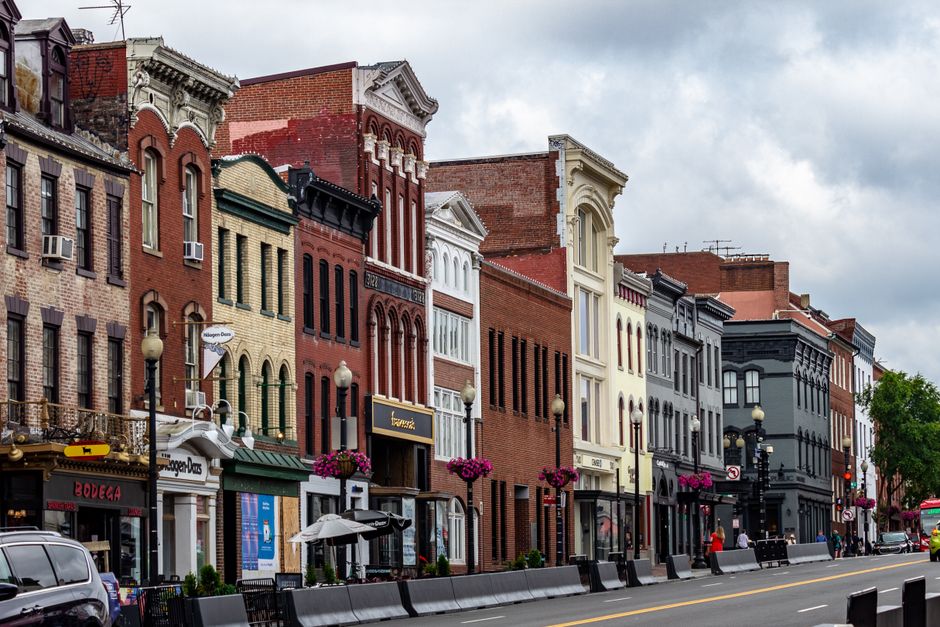
Washington DC's skyline is shifting faster than its housing market can absorb. The H Street NE corridor, once a symbol of post-industrial decline, now hosts cranes and construction barriers marking the arrival of luxury condominiums, apartments, and mixed-use developments that promise to address the region's chronic shortage of homes.
Yet the paradox is stark. With the DC median home price hovering near $700,000—nearly double the national average—new development projects reveal a troubling pattern: market-rate construction may be solving supply problems while deepening affordability divides.
The transformation is undeniable. From the revitalized Union Market neighborhood north toward NoMA (North of Massachusetts Avenue), developers have announced over 3,500 residential units within the past 18 months alone. Projects like those near the H Street Metro corridor and along the Anacostia waterfront in Navy Yard promise ground-floor retail, green space, and mixed-income models. On paper, this sounds like the antidote to DC's housing scarcity.
"New development absolutely increases housing supply," explains local policy analysis from the DC Council's housing committee data. "The challenge is timing and affordability percentages. We're building units faster than we're building below-market-rate options."
Consider the numbers: a one-bedroom in newly completed projects near H Street ranges from $2,200 to $2,800 monthly. Meanwhile, the DC area median household income sits around $90,000 annually, suggesting affordable rent should not exceed $1,875. The gap widens further for service workers, educators, and other professionals who sustain DC neighborhoods but increasingly cannot afford to live in them.
The Navy Yard and Capitol Riverfront areas demonstrate how development can simultaneously energize and displace communities. New waterfront amenities and parks attract investment, but existing residents and small businesses face pressure from rising property taxes and commercial rents. Georgetown and Capitol Hill, which underwent similar transitions decades ago, now represent the premium pricing that displaced earlier generations of residents.
Importantly, some developers are attempting solutions. Inclusionary zoning requirements—now strengthened under DC regulations—mandate that new projects include 10-20% affordable units. But housing advocates argue this percentage remains insufficient given the scale of displacement.
The H Street corridor boom is neither purely positive nor negative. It signals investor confidence in DC neighborhoods historically undervalued. Yet without aggressive policy intervention—increased inclusionary zoning percentages, community land trusts, and preserved rent-stabilized housing—new development may simply shuffle DC's affordability crisis northward and eastward, leaving lower-income residents further from employment centers and community anchors that defined their neighborhoods.
This article was compiled by AI from the sources linked above and screened before publishing. See our editorial standards.
How does this story make you feel?
Spread the word
About this article
Published by The Daily Washington DC
Daily brief
Free, in your inbox before 7am. Weekdays.
More in Property