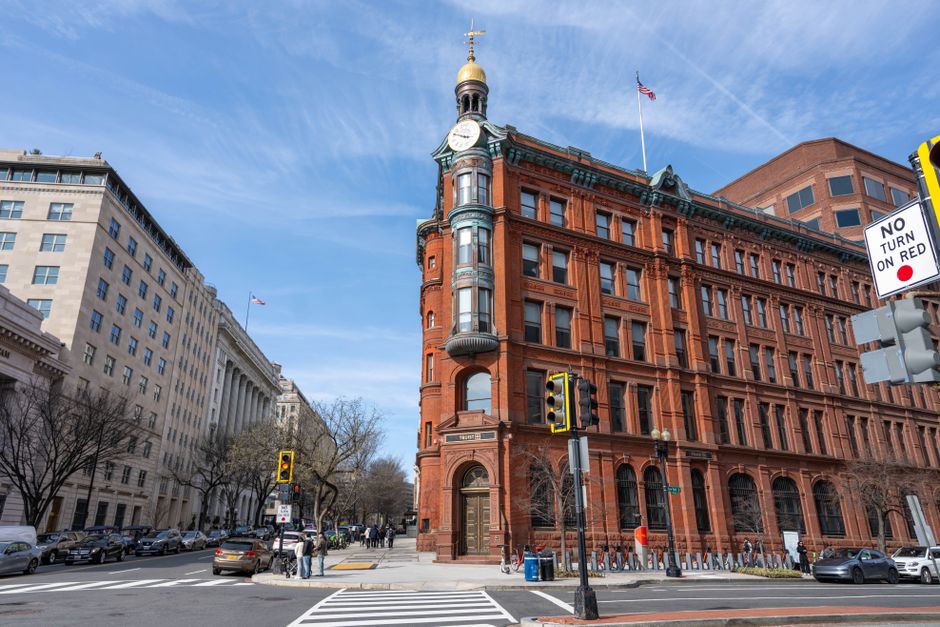
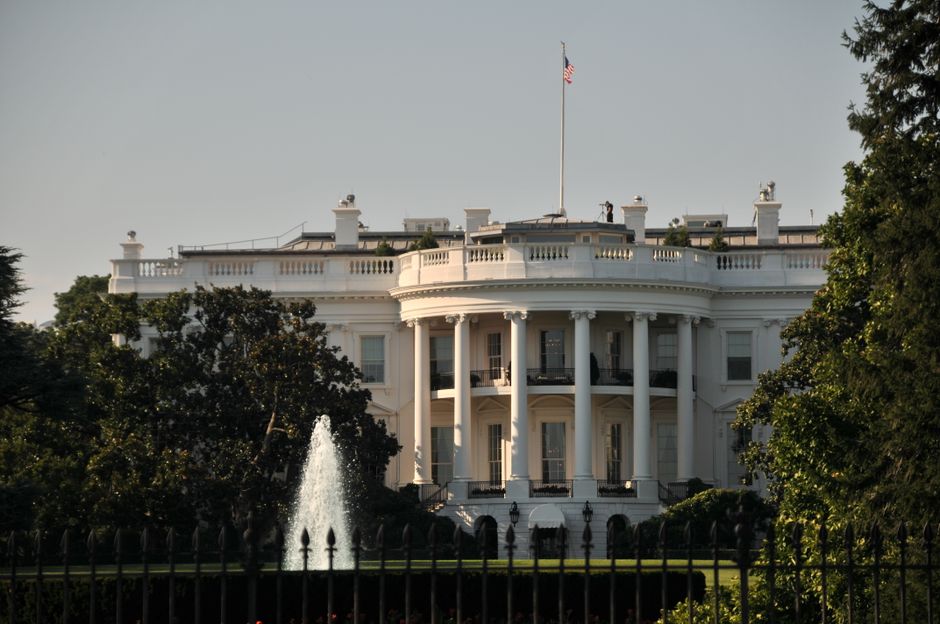
For the better part of a decade, Washington DC's rental market has been a landlord's playground. But the calculus is shifting. As new development projects come online across the city—from the sweeping transformation along the H Street Corridor to major mixed-use complexes in Navy Yard and ongoing projects near Dupont Circle—vacancy rates are ticking upward for the first time since the pandemic, giving tenants genuine negotiating leverage they haven't seen in years.
The numbers tell the story. DC's rental vacancy rate, which hovered near historic lows of 3-4% just 18 months ago, has climbed to approximately 5.2% by mid-2026, according to regional market analysts. That may sound marginal, but in a market where median rents for a one-bedroom apartment hover around $1,850 in core neighborhoods, every vacant unit represents real choice for renters.
The H Street Corridor between Union Station and the Stadium-Armory Metro station has emerged as a bellwether. A wave of new residential projects—some delivering over 500 units annually through 2028—is fundamentally reshaping what was recently a patchwork of vacant storefronts and struggling retail. Similar momentum is underway in Navy Yard, where mixed-use developments are competing aggressively for tenants with move-in concessions, upgraded amenities, and flexible lease terms that were unthinkable two years ago.
But rising supply isn't uniformly distributed. Capitol Hill and Georgetown, anchored by proximity to Prospect Street NW and the Capitol grounds themselves, remain premium-priced; rents in these neighborhoods still command a 20-30% premium over citywide medians. Meanwhile, emerging neighborhoods like the Golden Triangle and NoMa are experiencing the most visible inventory growth, making them increasingly competitive options for young professionals and families seeking value.
Tenants should act strategically. With landlords facing genuine competition for the first time since 2019, now is the moment to negotiate: request concessions for longer leases, ask for upgrades before signing, or simply shop aggressively. The old dynamic of accepting the first offer no longer applies. Equally important, prospective renters should investigate which new projects are finishing buildout in their target neighborhoods—a project delivering 300 units on any given block can soften rents across the broader area within six months.
The market correction is real, but temporary. Most analysts expect equilibrium by 2027-2028, once the current pipeline of 8,000+ units under development is absorbed. Tenants with flexibility now have a window—perhaps a brief one—to secure better terms and choose neighborhoods on merit rather than desperation.
This article was compiled by AI from the sources linked above and screened before publishing. See our editorial standards.