First-Time Investment Buyers: Your Guide to Navigating DC's Yield-Hungry Market
With median prices hovering around $700,000, DC's rental market demands smarter strategy—here's what newcomer landlords need to know.
With median prices hovering around $700,000, DC's rental market demands smarter strategy—here's what newcomer landlords need to know.
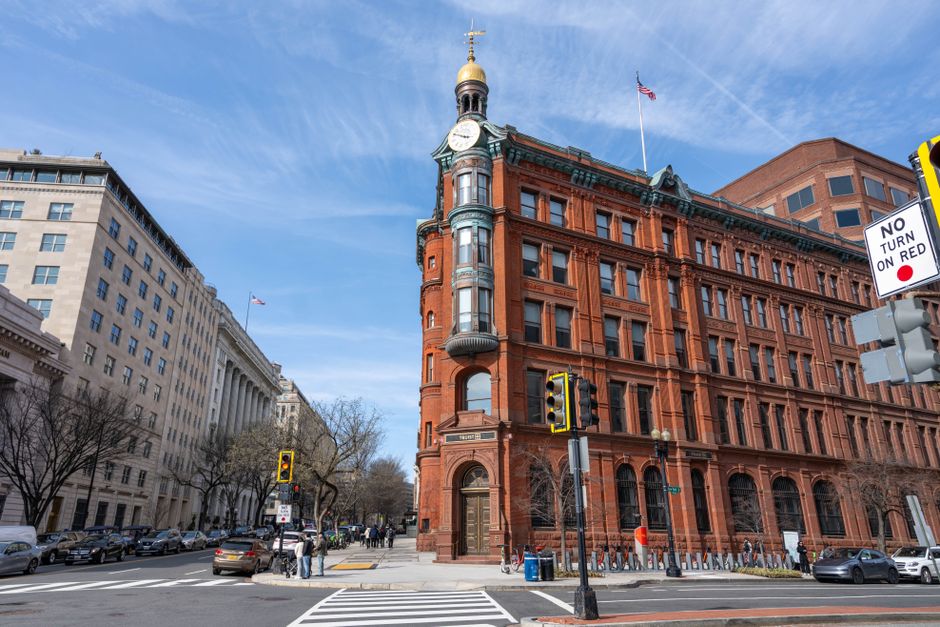
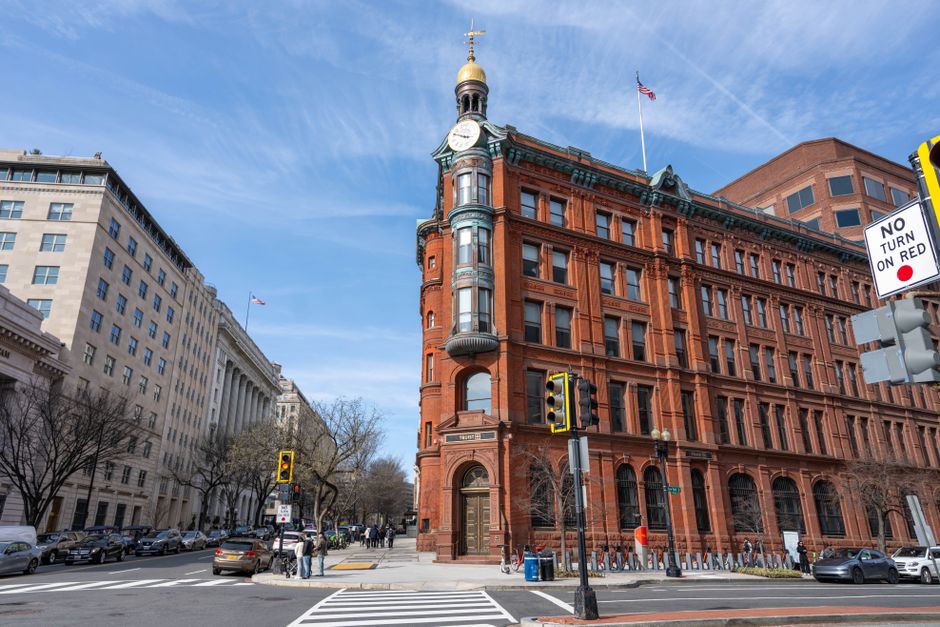
Washington DC's real estate market has become a landlord's puzzle. Median prices sit firmly at $700,000, yet rental yields remain stubbornly modest compared to purchase costs. For first-time investment buyers, that gap between acquisition price and monthly rent is the central challenge reshaping where savvy investors are looking.
The traditional strongholds—Capitol Hill's tree-lined blocks, Georgetown's heritage homes—remain desirable but yield-poor. A $1.2 million rowhouse near the Eastern Market might generate $3,500 monthly rent, translating to roughly 3.5% gross yield. That's before property tax, maintenance, and vacancy rates. Newer entrants to landlordship should understand this math immediately: DC's prestige neighbourhoods reward long-term appreciation, not cash flow.
This reality is pushing first-time investors toward emerging corridors. Navy Yard-Ballpark and the H Street corridor offer fresher economics. Renovated one-bedroom units near the new Wharf development or along the U Street renaissance corridor can command $1,800–$2,200 rent on purchase prices of $550,000–$650,000, yielding closer to 4–4.5% annually. These neighbourhoods still offer neighbourhood trajectory without Capitol Hill pricing.
Northern Virginia suburbs deserve serious consideration too. Arlington and Alexandria properties consistently outpace DC yields while remaining within commuting distance to federal employment hubs. A $525,000 townhouse can rent for $2,400–$2,600, fundamentally changing the investment equation.
Successful first-time buyers should prioritize three elements: location flexibility, understanding local rental demand, and realistic hold timelines. DC's rental market is tenant-protective, with rent control measures and strict eviction standards. Know your local tenant rights organizations and court procedures before purchasing. Properties near Metro corridors—Columbia Heights, Woodley Park, Petworth—maintain consistent tenant interest and lower vacancy risk.
Tax strategy matters enormously. Consult DC-based CPAs familiar with Schedule E reporting and depreciation strategies before closing. The DC Department of Housing and Community Development offers resources on landlord obligations; ignoring these costs cash.
Finally, first-time landlords underestimate capital reserves. Budget 8–12% of gross rental income annually for unexpected repairs, turnover costs, and vacancy periods. DC's older housing stock makes this non-negotiable.
The market isn't closed to newcomers—it's simply shifted. Success requires accepting that prime neighbourhoods yield appreciation, not rent; understanding where modern DC renters actually live; and building realistic financial models beforehand. That discipline separates frustrated investors from building wealth.
This article was compiled by AI from the sources linked above and screened before publishing. See our editorial standards.
How does this story make you feel?
Spread the word
About this article
Published by The Daily Washington DC
Daily brief
Free, in your inbox before 7am. Weekdays.
More in Property