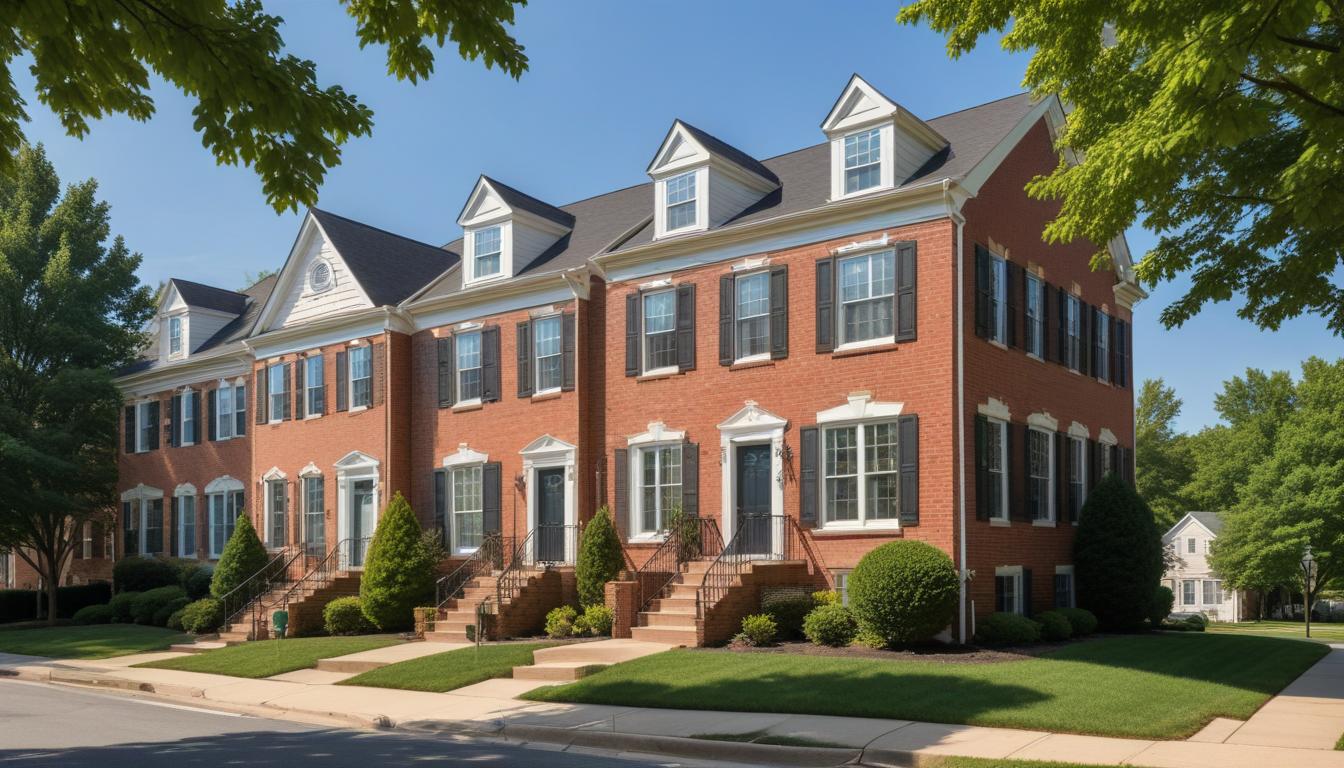
The luxury rental market in Washington DC has entered a critical inflection point. While the broader city median hovers around $700,000 for purchases, the rental landscape tells a different story—one of tension between landlords seeking premium returns and tenants confronting unprecedented affordability challenges in neighbourhoods that have long symbolised exclusivity and stability.
In Capitol Hill, where historic townhouses command $4,500 to $6,500 monthly for three-bedroom rentals, landlords report increasing vacancy periods they haven't seen in a decade. The phenomenon mirrors shifts across Georgetown and along the H Street corridor, where speculative development and conversion to short-term rentals has fragmented the traditional tenant base. Property managers specialising in the $5,000-plus rental segment report lease terms that historically locked in five-year agreements are now truncating to 18-month commitments—a defensive move reflecting genuine market uncertainty.
The mathematics are instructive. A 2,500-square-foot penthouse in Kalorama, positioned at $7,200 monthly, represents an estimated 14 per cent annual yield on a $6.2 million purchase price—a threshold that no longer guarantees occupancy. Landlords who banked on consistent demand from diplomatic corps residents, senior government appointees, and corporate relocations are discovering that remote work has fragmented that reliable tenant cohort. Meanwhile, Navy Yard's transformation has created a secondary luxury rental market targeting younger professionals, fracturing the demographic concentration that previously sustained premium pricing in established enclaves.
The regulatory environment compounds these pressures. DC's rental housing code amendments, while broadly protective of tenant interests, have increased compliance costs for landlords managing premium properties. Required disclosure protocols, maintenance standards, and lead remediation have squeezed operating margins precisely when tenant demand has softened.
Tenants themselves navigate contradiction: they demand concessions—three months free, furnished move-in allowances, waived deposits—yet resist longer leases that would benefit landlords' planning. International executives and political appointees, the traditional anchors of DC's luxury rental market, increasingly favour short-term flexibility over commitment, reshaping the entire covenant between owner and occupant.
Market observers suggest the equilibrium will stabilise around 6 to 7 per cent gross rental yields in top-tier neighbourhoods—meaningfully below pre-pandemic expectations. For landlords holding premium properties as portfolio anchors rather than transaction vehicles, patience has become the operative strategy. For tenants, the window for negotiation advantage may close as quickly as it opened.
This article was compiled by AI from the sources linked above and screened before publishing. See our editorial standards.