Pipeline Projects Set to Reshape DC's Rental Landscape as Vacancy Rates Edge Higher
Major developments along H Street and Navy Yard are adding thousands of units to the market, signalling meaningful relief for tenants after years of tight supply.
Major developments along H Street and Navy Yard are adding thousands of units to the market, signalling meaningful relief for tenants after years of tight supply.
Washington DC's rental market is at an inflection point. After nearly a decade of sub-2% vacancy rates that favoured landlords, the District is experiencing a modest uptick in available units—currently hovering around 5-6%—driven largely by an unprecedented wave of new construction hitting the market.
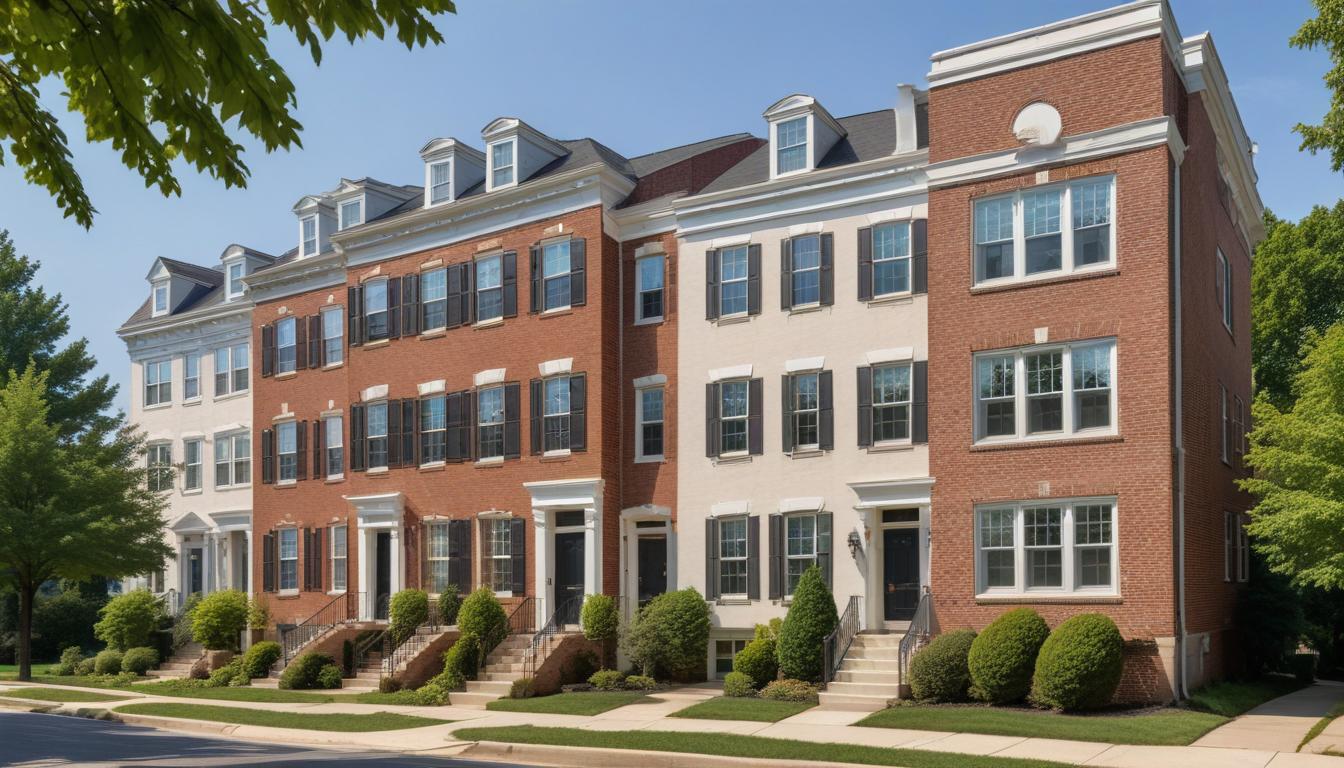
The shift is most visible along the H Street corridor and Navy Yard neighbourhoods, where mixed-use developments are adding density at a pace not seen since the early 2010s. These projects aren't just changing the supply equation; they're reshaping what tenants can expect to pay and where they'll choose to live.
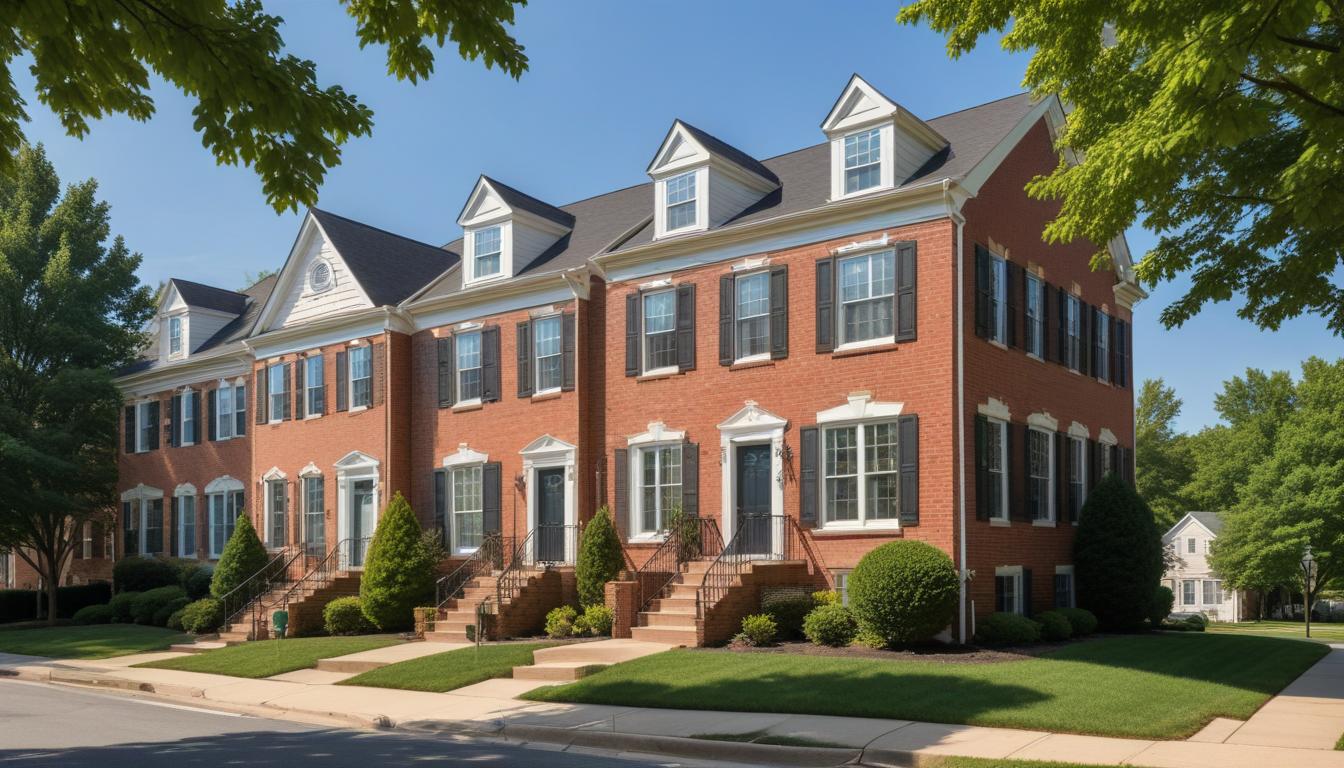
Consider the transformation underway. Several mid-rise residential complexes are completing buildout phases along H Street Northeast, introducing roughly 800 new rental units within a half-mile radius by the end of 2026. Average rents in newly completed buildings here are settling around $1,850 for a one-bedroom and $2,450 for a two-bedroom—still premium for DC standards, but meaningfully below the $2,100 and $2,750 asking rates that dominated pre-pandemic listings in Capitol Hill and Georgetown.
Navy Yard, historically industrial, is experiencing even more dramatic change. The 35-acre waterfront district now hosts three active residential developments with completion dates staggered through 2027. These projects will introduce approximately 2,000 units, fundamentally altering the neighbourhood's rental profile and attracting younger professionals seeking proximity to the Metro without the premium price tags of established walkable areas.
For prospective tenants, this emerging supply offers genuine negotiating room. Landlords are increasingly offering concessions—free months, upgraded finishes, or flexible lease terms—to fill units. The District's median rent has stabilised around $1,950 for a one-bedroom, up modestly from five years ago but without the aggressive annual increases that characterised 2019-2023.
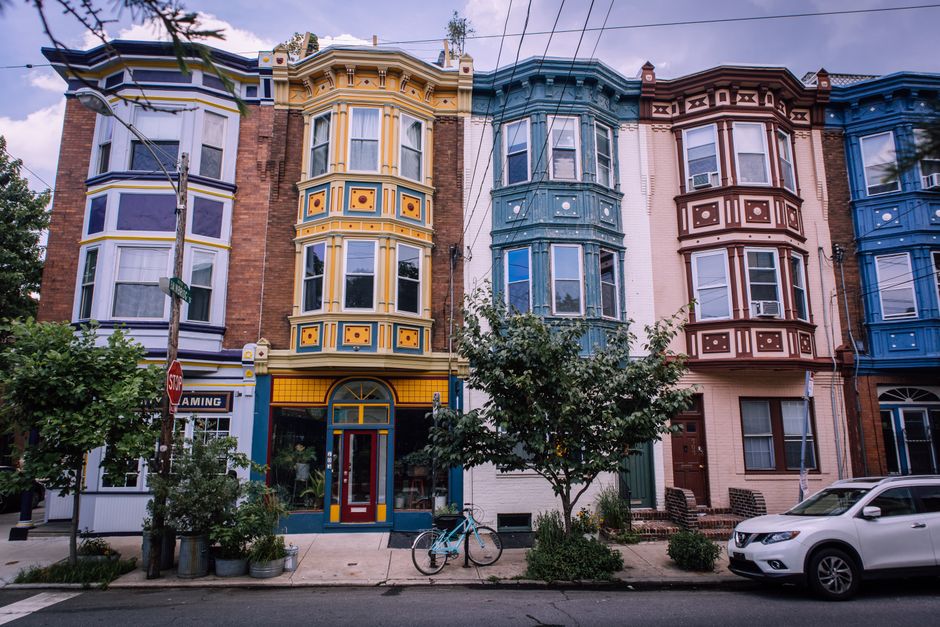
The caveat: location remains paramount. Capitol Hill and Georgetown maintain their scarcity premium, with limited new construction offsetting demand. One-bedrooms in these neighbourhoods still command $2,400-plus. However, tenants willing to explore emerging corridors—or even Northern Virginia suburbs accessible via Metro—now have legitimate alternatives at meaningfully lower rents.
Analysts suggest the vacancy rate could reach 6.5-7% by mid-2027 as major projects deliver simultaneously. That normalisation represents a meaningful reset after years of landlord-favourable conditions. For renters navigating DC's historically unforgiving market, the pipeline offers something rare: genuine choice.
This article was compiled by AI from the sources linked above and screened before publishing. See our editorial standards.
How does this story make you feel?
Spread the word
About this article
Published by The Daily Washington DC
Daily brief
Free, in your inbox before 7am. Weekdays.
More in Property